What Makes YEPREM Claw a Distinctive Hand Jewelry Design?
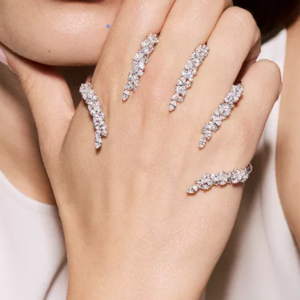
YEPREM Claw is a sculptural hand jewelry design that transforms the back of the hand into a striking visual statement. Introduced in 2013, The Claw challenged traditional jewelry design by extending beyond the fingers and wrist to create an architectural, claw-inspired structure.
Unlike conventional rings or cuff bracelets, this distinctive handpiece combines bold geometry, gemstone detailing, and an unconventional wearing position. Its success demonstrates how innovative jewelry design can build a recognizable identity through structure and proportion rather than materials alone.
For fashion jewelry designers and manufacturers, the key opportunity is to adapt this design concept into wearable, cost-effective products without replicating the original high jewelry pieces.
Key Design Elements Behind YEPREM Claw
Architectural Structure and Sculptural Form
The Claw combines sharp, claw-like elements with architectural jewelry influences. Its metal framework follows the contours of the hand, creating an exoskeleton-inspired silhouette that makes everyday gestures visually distinctive.
This approach illustrates how sculptural jewelry and avant garde jewelry can stand out through shape, scale, and body interaction. Rather than simply decorating the hand, the design turns the handpiece itself into a statement accessory.
Beyond Traditional Rings and Bracelets
The Claw belongs to the broader category of handpiece jewelry, with design similarities to selected palm cuff and hand harness jewelry styles. Unlike a traditional hand chain bracelet, which typically connects a finger ring to a wrist bracelet, this type of hand jewelry emphasizes structural coverage across the back of the hand.
Its unconventional placement offers valuable jewelry design inspiration for brands developing statement jewelry and distinctive fashion accessories.
How to Adapt High Jewelry Concepts for Fashion Jewelry
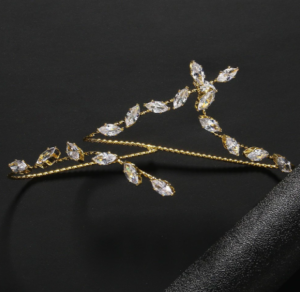
Translating a luxury design into commercial fashion jewelry requires balancing appearance, production cost, durability, and wearing comfort.
Choose suitable metal materials. Brass jewelry is suitable for many complex shapes and cost-conscious collections. Gold plated jewelry offers a premium-looking finish, while sterling silver can support higher-end positioning. Titanium may be considered for lightweight designs, depending on manufacturing capabilities and budget.
Replace expensive gemstones strategically. Cubic zirconia jewelry offers brilliant visual highlights at a more accessible material cost than natural diamonds. Enamel jewelry and colored resin details can introduce contrast and color without relying entirely on gemstone settings.
Simplify the structure for mass production. Instead of covering the entire hand, designers can develop a smaller palm cuff with three curved metal elements extending across the back of the hand. Adjustable construction, smooth edges, and sufficient finger movement can improve comfort and usability.
Jewelry Product Development Opportunities
For jewelry brands, retailers, and wholesale buyers, YEPREM Claw provides a useful reference for custom jewelry development. Manufacturers can explore different metal finishes, decorative stones, enamel colors, and simplified structures to create distinctive collections at different price points.
The central lesson is that successful fashion jewelry design does not depend on copying expensive materials. It comes from translating a recognizable design concept into a practical product with strong visual identity, comfortable wearability, and scalable production potential.
By combining sculptural form with accessible materials and thoughtful engineering, jewelry businesses can develop statement accessories inspired by the broader principles of high jewelry while serving commercial fashion markets.