Understanding Ring Size and Fit Beyond Numbers
Choosing the right ring is not only about measurement, but also about proportion and comfort. A proper ring size guide helps customers find the correct size, but real wearing experience depends on finger shape, joint structure, and overall balance.
Instead of relying only on basic sizing, a more practical ring fit guide should also consider how the ring looks and feels on different hand types, helping reduce return rates and improve customer satisfaction.
Matching Rings to Different Finger Shapes
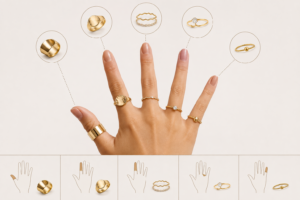
Finger shape plays a key role in styling. For delicate hands, styles designed as rings for slim fingers should remain lightweight and visually soft to avoid overpowering the hand.
For shorter fingers, choosing designs similar to rings for short fingers with vertical or V-shaped structures can help elongate the visual proportion of the hand. This creates a more balanced and refined look.
Understanding how shape affects appearance is just as important as knowing how to choose ring size in retail and wholesale jewelry selection.
The Importance of Ring Structure and Adjustability
Comfort and functionality are essential in modern jewelry design. Many brands now offer adjustable rings for women, especially for customers with larger knuckles or fluctuating finger sizes.
Designs inspired by open ring design also solve fitting issues while adding a modern aesthetic. These styles improve wearability without compromising design value.
In addition, soft inner shaping and ergonomic structure are key elements of comfort fit rings, which reduce pressure and improve daily wear experience.
Band Width and Visual Balance in Design
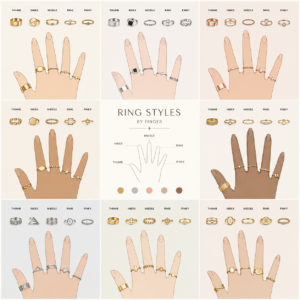
Ring thickness significantly affects visual proportion. A clear ring width guide helps determine whether a design should use wider or thinner bands.
Wide band rings are better suited for stronger hands, as they create balance and stability in appearance. On the other hand, thin band rings work well for delicate hands and stacking combinations.
These structural differences allow jewelry brands to target multiple customer segments more precisely.
Conclusion
Successful jewelry recommendation is not only about size accuracy but also about visual harmony and comfort. By understanding finger shape, band width, and adjustability, brands can better guide customers and improve purchase confidence.
A thoughtful approach to ring design and fitting helps businesses deliver better experiences, reduce return rates, and build long-term trust in the jewelry market.