A Fast-Growing Trend in Fashion Jewelry
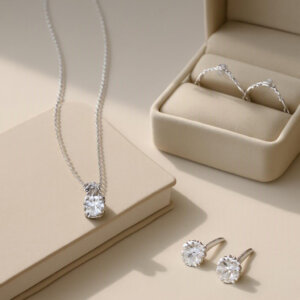
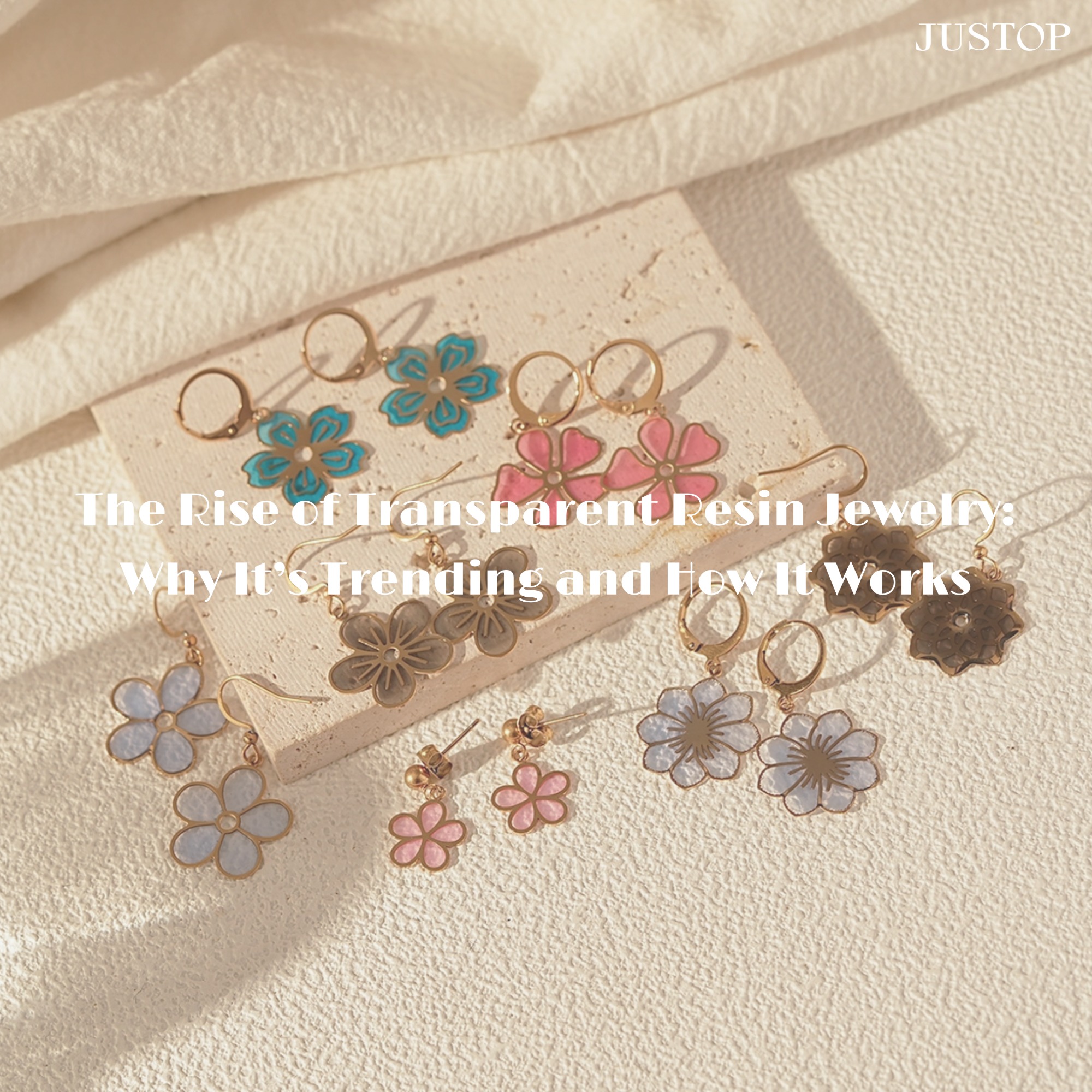
Transparent resin jewelry is quickly becoming one of the most sought-after styles in today’s fashion accessory market. Pieces like clear drop earrings and softly tinted pendants are gaining attention for their light-catching, glass-like appearance. This trend has been amplified by celebrity exposure and social media, where translucent, “jelly-like” designs have gone viral almost overnight.
What makes this category especially powerful is its wide market reach. From high-end designer collections to affordable mass-market pieces, transparent resin jewelry appeals to both premium and budget-conscious consumers. At the same time, the rise of custom resin jewelry—including keepsake designs like dried flower resin jewelry and memory pieces—has added emotional value, driving strong demand among younger buyers.
For retailers and distributors, this also opens up opportunities in resin jewelry wholesale, as the style continues to scale across global markets.
Transparent vs. Opaque: Understanding the Difference
At first glance, resin-based jewelry may seem similar across categories, but the difference between transparent and opaque finishes is significant.
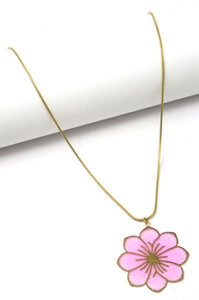
Transparent resin pieces are made using high-clarity materials such as UV resin jewelry or epoxy. These allow light to pass through, creating a soft, dimensional effect. In designs like an epoxy resin pendant or resin flower necklace, you can often see embedded elements beneath the surface, giving each piece depth and uniqueness.
In contrast, opaque resin—often compared in discussions like hard enamel vs soft enamel—uses pigments to fully cover the base. This results in bold, solid colors that are more graphic and less dependent on surface perfection.
From a production standpoint, transparent finishes require stricter quality control. Air bubbles, dust, or scratches are far more visible, which means the resin jewelry making process must be carefully managed to achieve a flawless result.
Best Metal Bases for Transparent Resin
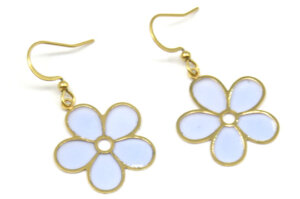
Because of its clarity, transparent resin highlights everything beneath it—including the metal base. Choosing the right material is essential for both durability and visual appeal.
- Brass and copper alloys are widely used due to their flexibility and ability to achieve a high-polish finish. When plated properly, they pair beautifully with resin for a premium look.
- Stainless steel (304/316) offers excellent corrosion resistance and can be used with or without plating. It’s especially suitable for modern, minimalist designs.
- Silver and silver alloys elevate the perceived value of resin pieces, making them ideal for higher-end collections.
- Zinc alloy, commonly used in statement resin earrings, is cost-effective and works well for complex shapes, but it requires proper plating before resin application.
Materials like iron or untreated aluminum are less suitable, as they can affect adhesion or lead to visible oxidation beneath the transparent layer.
Final Thoughts
From delicate handmade resin pendants to bold fashion-forward earrings, transparent resin jewelry is more than just a passing trend. Its combination of clarity, versatility, and emotional design potential makes it a strong category for both designers and wholesalers. As consumers continue to seek unique yet wearable pieces, this “soft transparency” aesthetic is set to remain a key direction in modern jewelry design.