In today’s fashion jewelry market, visual impact no longer depends solely on oversized gemstones or dramatic embellishments. Instead, designers are increasingly exploring the expressive power of metal itself. The contrast between mirror finish jewelry and matte finish jewelry has become a striking design language in contemporary gold plated jewelry, stainless steel jewelry, and other trend-driven collections. By combining reflective shine with soft, diffused texture, fashion jewelry achieves depth, edge, and modern sophistication—without relying on traditional symbols of luxury.
Design Origins: Modernism Meets Minimalism
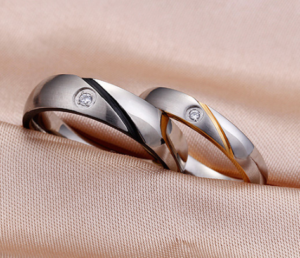
The idea of pairing polished and matte surfaces draws inspiration from modernist design principles such as material authenticity and functional clarity. When Art Deco jewelry geometry intersects with minimalist jewelry design, ornamentation becomes secondary to surface treatment.
Rather than adding decorative elements, designers manipulate light directly on metal. A high polish area reflects sharply and dynamically, while a satin or sandblasted section absorbs and softens light. This creates a visual dialogue—bright versus muted, bold versus restrained.
Such contrast mirrors natural dualities: light and shadow, gloss and texture. In the context of modern fashion accessories, this approach feels refined yet wearable, aligning perfectly with the rising demand for minimalist gold jewelry and contemporary silver jewelry.
How the Contrast Is Applied
1. Framed Surfaces
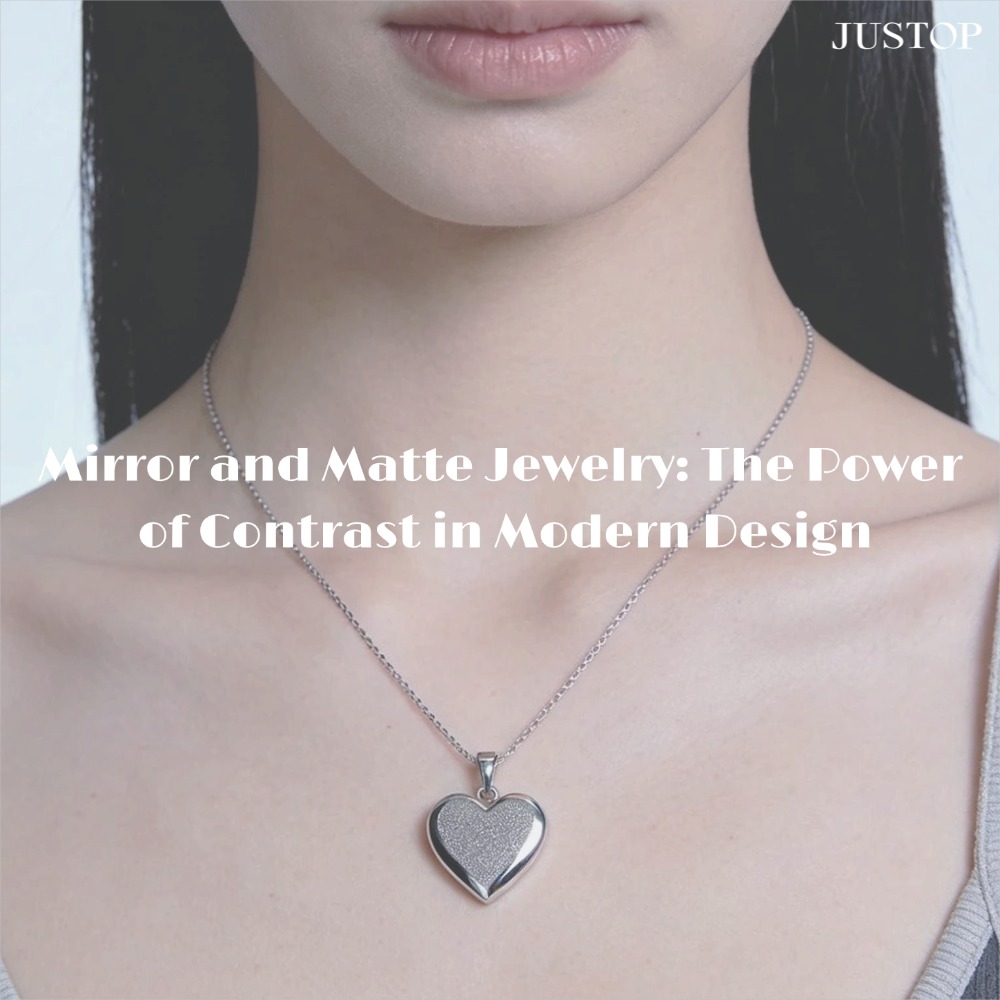
One popular method is outlining a ring, cuff, or pendant in high polish while keeping the interior matte. The polished edges catch light, forming a luminous border that enhances dimension. This technique is common in 18K gold plated rings and modern stainless steel bracelets, where structure and clarity are essential.
2. Pattern Reversal
Designers also experiment with texture reversal—polished motifs against matte backgrounds, or matte logos on mirror surfaces. This creates subtle branding and layered visual effects without additional stones. The result is bold yet understated, ideal for statement jewelry that remains versatile for daily wear.
3. Brushed and Satin Finishes
A brushed or satin finish introduces directional lines across the surface. Frequently searched as brushed gold jewelry or satin finish ring, this texture adds movement and a slightly industrial edge. When paired with mirror-polished details, the piece feels dynamic and contemporary.
Materials and Craft Techniques
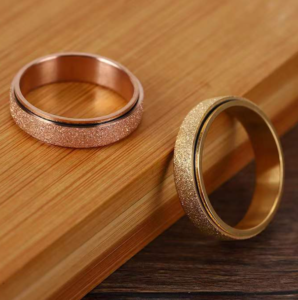
Strong contrast requires metals capable of both extreme shine and controlled texture. High-quality stainless steel, brass with gold plating, and sterling silver are widely used in fashion jewelry production.
- High Polish (Mirror Finish): Achieved through progressive buffing and polishing compounds until the surface reflects clearly.
- Matte or Sandblasted Finish: Created through sandblasting, brushing, or fine abrasion to diffuse light evenly.
Italian brand Buccellati is historically known for combining engraved matte textures with polished edges, while BVLGARI has demonstrated how contrasting finishes elevate even minimalist forms. These design philosophies continue to influence fashion jewelry trends today.
Redefining Modern Style
Mirror and matte contrast represents a shift in how fashion jewelry communicates value. Instead of relying on sparkle alone, it emphasizes craftsmanship, texture, and intentional design. As consumers increasingly search for modern gold jewelry, minimalist rings, and trend jewelry 2026, this refined interplay of surfaces delivers visual impact with subtle confidence.
Sometimes, the most powerful statement comes not from excess—but from the controlled balance between shine and softness.