Understanding Real vs Fake Crystal in the Global Market
In today’s international jewelry market, distinguishing real vs fake crystal has become increasingly important for both buyers and sellers. With the widespread use of glass and synthetic materials, many products labeled as “crystal” are not actually natural quartz crystal. Understanding how to identify real crystal is essential for making informed purchasing decisions and maintaining trust in the supply chain.
Visual Clues: The First Step in Crystal Identification
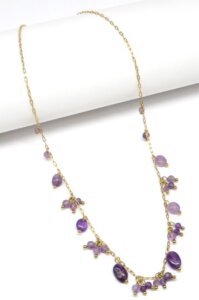
One of the easiest ways to begin a crystal authenticity test is by examining the internal structure. Natural crystals typically contain inclusions such as tiny fractures, mineral deposits, or cloudy patterns. These imperfections are a sign of natural formation.
In contrast, synthetic quartz crystal or glass imitations often appear flawless. If you notice perfectly clean material or round air bubbles inside, it is likely not natural. For anyone wondering how to tell if crystal is real, internal imperfections are often the most reliable visual indicator.
Color distribution also provides useful clues. Natural stones usually show uneven tones, while fake crystals tend to have overly uniform or concentrated coloring, especially in dyed products.
Optical Properties: Light and Refraction
Another important factor is how the crystal interacts with light. A basic real crystal test involves observing its brilliance and depth. Natural crystals have a softer, layered shine, while glass appears flat and overly bright.
The crystal refractive index also plays a role in identification. While this is typically measured with professional tools, even a simple observation can reveal differences. Synthetic materials, such as cubic zirconia, may display excessive sparkle that looks unnatural compared to genuine stones.
Transparency is another indicator. Natural crystals are usually clear but not perfectly uniform, often showing a slight haze or internal structure. Artificial materials, on the other hand, may look too perfect or overly consistent.
Physical Feel and Durability
Touch can also help determine authenticity. Natural crystals feel cool to the touch and retain that coolness longer, while glass or resin warms quickly. This simple method is often used when people ask how to spot fake gemstones in everyday situations.
In terms of hardness, natural quartz is relatively durable and resistant to scratches. Glass imitations are softer and more prone to surface damage. However, physical testing should be done carefully to avoid damaging finished jewelry pieces.
Market Indicators: Price and Consistency
From a commercial perspective, pricing and uniformity are key indicators. High-quality natural crystals cannot be mass-produced at extremely low prices. If a supplier offers large quantities at unusually low cost, caution is advised.
Additionally, perfectly identical beads labeled as authentic crystal beads are often a sign of synthetic production. Natural materials typically show slight variations in size, color, and internal structure.
Professional Testing and Buying Advice
For bulk purchasing or high-value transactions, professional verification is essential. Laboratory testing methods—such as measuring refractive index or density—provide the most reliable results.
If you plan to buy natural crystals online, always request certification from reputable gemological institutions. This ensures transparency and reduces the risk of misrepresentation.
Conclusion
Understanding are healing crystals real or whether a product is natural ultimately comes down to careful observation and verification. By focusing on inclusions, color, light behavior, physical properties, and market logic, buyers can confidently distinguish between natural and synthetic materials.
In a market where “crystal” can mean many things, knowledge is your most valuable tool.