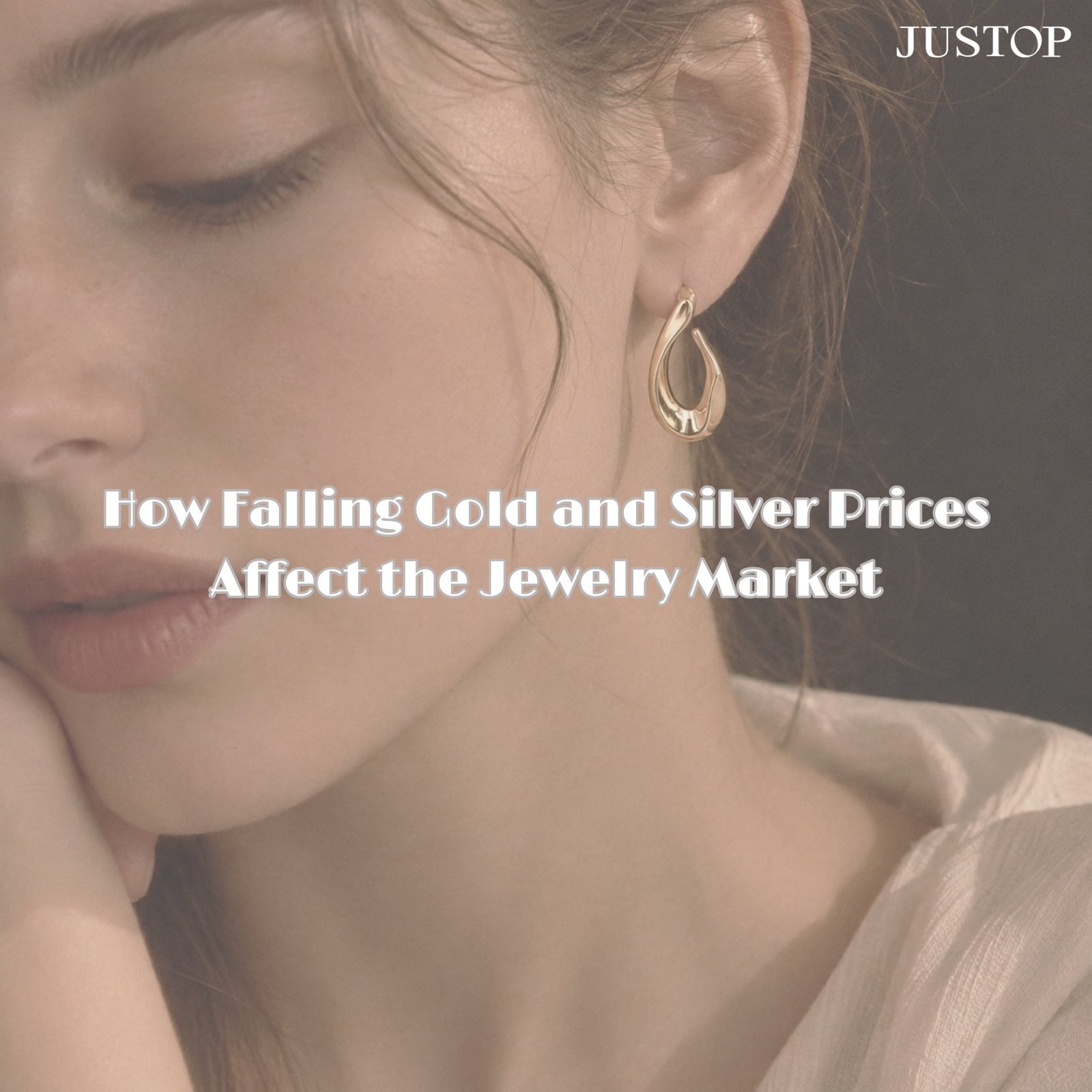
Falling gold and silver prices are changing the jewelry market, but their impact varies significantly across product categories. For precious metal jewelry, lower raw material costs can make products more affordable and stimulate consumer demand. For base metal and fashion jewelry, the impact is less direct, with consumer purchasing behavior and product substitution playing a greater role.
Understanding these differences helps jewelry retailers, wholesalers, and manufacturers make informed decisions about product development, pricing, and sourcing.
Gold Jewelry: Lower Prices Encourage Consumer Demand
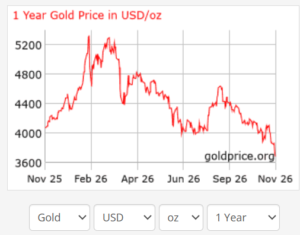
A decline in the gold price directly affects the production costs and retail pricing of gold jewelry. When the gold price today falls, manufacturers may benefit from lower material costs, while retailers can offer more accessible gold jewelry prices.
This can encourage consumers who previously postponed purchases to return to the market. Lightweight gold necklaces, small pendants, delicate bracelets, and other low-weight designs are particularly attractive because they offer a lower purchase price.
However, lower gold prices do not automatically translate into higher retail profits. Labor costs, manufacturing fees, brand premiums, and retail expenses still influence final pricing. For jewelry businesses, competitive pricing and product design remain essential.
Silver Jewelry: Lower Material Costs, but Design Drives Value
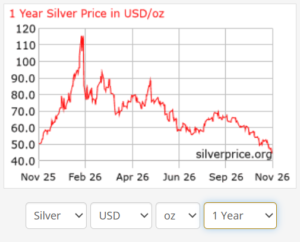
Changes in the silver price also affect the manufacturing costs of 925 sterling silver jewelry and other silver accessories.
Although falling silver prices can reduce raw material expenses, retail prices may not decline at the same rate because craftsmanship, finishing, and distribution contribute significantly to product costs.
Unlike gold, silver jewelry generally has limited resale value relative to its original retail price. As a result, consumers increasingly consider design, quality, and everyday wearability when purchasing sterling silver jewelry.
For silver jewelry retailers, emphasizing craftsmanship and distinctive designs is more sustainable than relying on metal prices alone.
Base Metal Jewelry: Consumer Preferences Matter More Than Metal Prices
Unlike precious metals, materials such as stainless steel, brass, and zinc alloy usually account for a smaller share of the final cost of fashion jewelry. Therefore, fluctuations in gold and silver prices have a relatively limited direct effect on base metal jewelry production.
The more important factor is consumer substitution. When gold and silver become more affordable, some buyers may shift toward precious metal products. However, affordable fashion jewelry continues to attract consumers seeking versatile designs, everyday accessories, and accessible prices.
Products such as gold plated jewelry, gold plated stainless steel jewelry, and stainless steel accessories offer attractive alternatives for consumers who prioritize style over metal investment value.
What Jewelry Retailers and Wholesalers Should Consider
Changing precious metal prices create different opportunities across the jewelry wholesale market.
Retailers can explore lightweight gold and silver collections to serve price-conscious buyers. Meanwhile, fashion jewelry wholesalers and jewelry manufacturers can strengthen their product ranges through distinctive designs, material combinations, and competitive sourcing.
For B2B buyers, stainless steel jewelry wholesale and gold plated jewelry wholesale remain practical options for developing affordable collections with more predictable material costs than solid precious metal products.
Conclusion: Design and Affordability Shape Future Jewelry Demand
Falling gold and silver prices directly influence precious metal jewelry costs, but their impact on fashion jewelry is mainly driven by consumer preferences and product substitution.
For jewelry retailers, wholesalers, and manufacturers, monitoring precious metal price trends is important. However, long-term competitiveness depends equally on design differentiation, product quality, efficient sourcing, and understanding changing jewelry market trends.