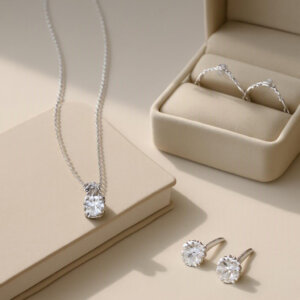

In the world of jewelry design and craft culture, the debate aroundglass beads vs crystal beads is more than just a naming issue—it reflects differences in material, craftsmanship, and artistic value. While both types may appear equally brilliant at first glance, their origins and production methods tell very different stories.
Understanding the Material: More Than Just Shine
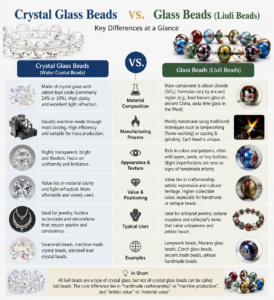
At the most basic level, crystal glass beads are defined by their composition. By adding lead oxide, manufacturers create lead crystal beads with higher clarity and light refraction, giving them that signature sparkle. These beads are often machine-made, ensuring uniformity and efficiency for mass production.
In contrast, traditional glass beads—especially handmade glass beads—focus less on perfection and more on artistic expression. Slight variations, bubbles, or textures are not flaws, but rather proof of craftsmanship.
The Art of Craftsmanship
One of the most defining differences lies in the process. Lampwork glass beads, created through a technique known as lampwork bead making, involve melting glass rods over a flame and shaping them by hand. This allows artisans to layer colors, embed patterns, and create truly one-of-a-kind pieces.
These artisan glass beads carry a sense of individuality that machines cannot replicate. Every swirl, dot, or embedded detail reflects the maker’s control over heat, timing, and motion—turning each bead into a miniature work of art.
Global Traditions and Iconic Styles
Certain regions have elevated glass bead craftsmanship into cultural heritage. Murano glass beads from Italy, for example, are world-renowned for their centuries-old techniques and vibrant aesthetics. Similarly, Czech glass beads are prized for their consistency, color variety, and long-standing bead-making tradition.
These beads are not just materials—they are part of a legacy that blends history with innovation.
Value and Application in Jewelry
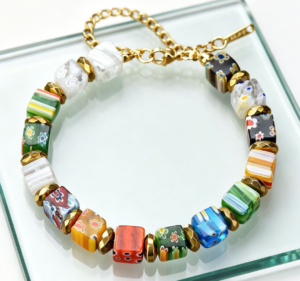
When it comes to application, both types have their place in glass bead jewelry. Crystal beads are often chosen for their brilliance and precision, making them ideal for elegant, uniform designs.
On the other hand, glass beads—especially handcrafted varieties—are favored in beads for jewelry making where uniqueness and artistic flair are key. Designers seeking character and storytelling often turn to handmade options to create pieces that stand out.
Final Thoughts
So, when comparing glass beads vs crystal beads, the difference goes beyond appearance. Crystal beads highlight material brilliance and consistency, while glass beads—particularly handmade ones—celebrate craftsmanship and individuality.
Next time you pick up a bead, take a closer look. Whether it’s the flawless sparkle of crystal or the organic beauty of handcrafted glass, each piece carries its own story—and its own kind of value.