
Rising tensions between the United States, Israel, and Iran have triggered immediate volatility across global markets. While headlines focus on military developments and energy security, the fashion jewelry industry is quietly facing a complex mix of cost pressures, demand uncertainty, and supply chain disruption.
For jewelry brands and manufacturers, especially those operating in gold-plated and fine jewelry segments, the impact is both direct and strategic.
Gold Price Surge: Immediate Cost Transmission
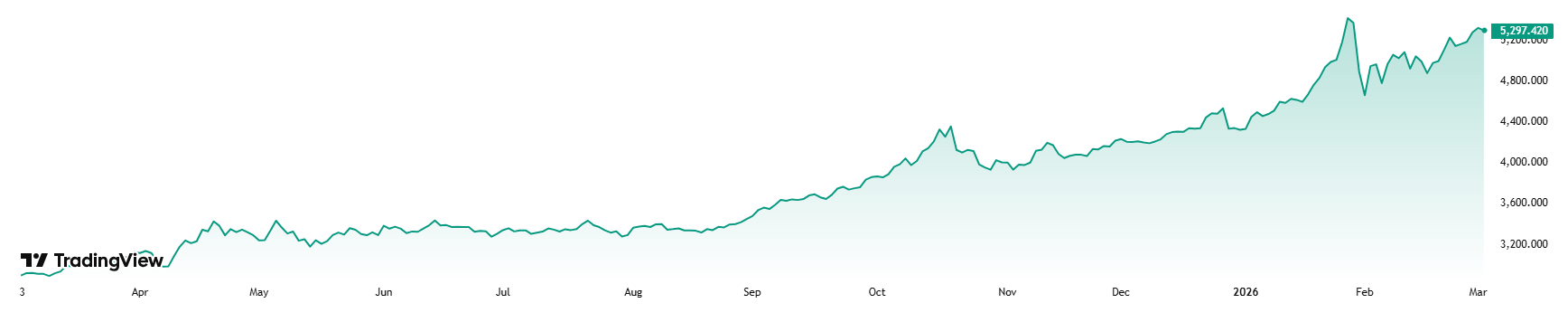
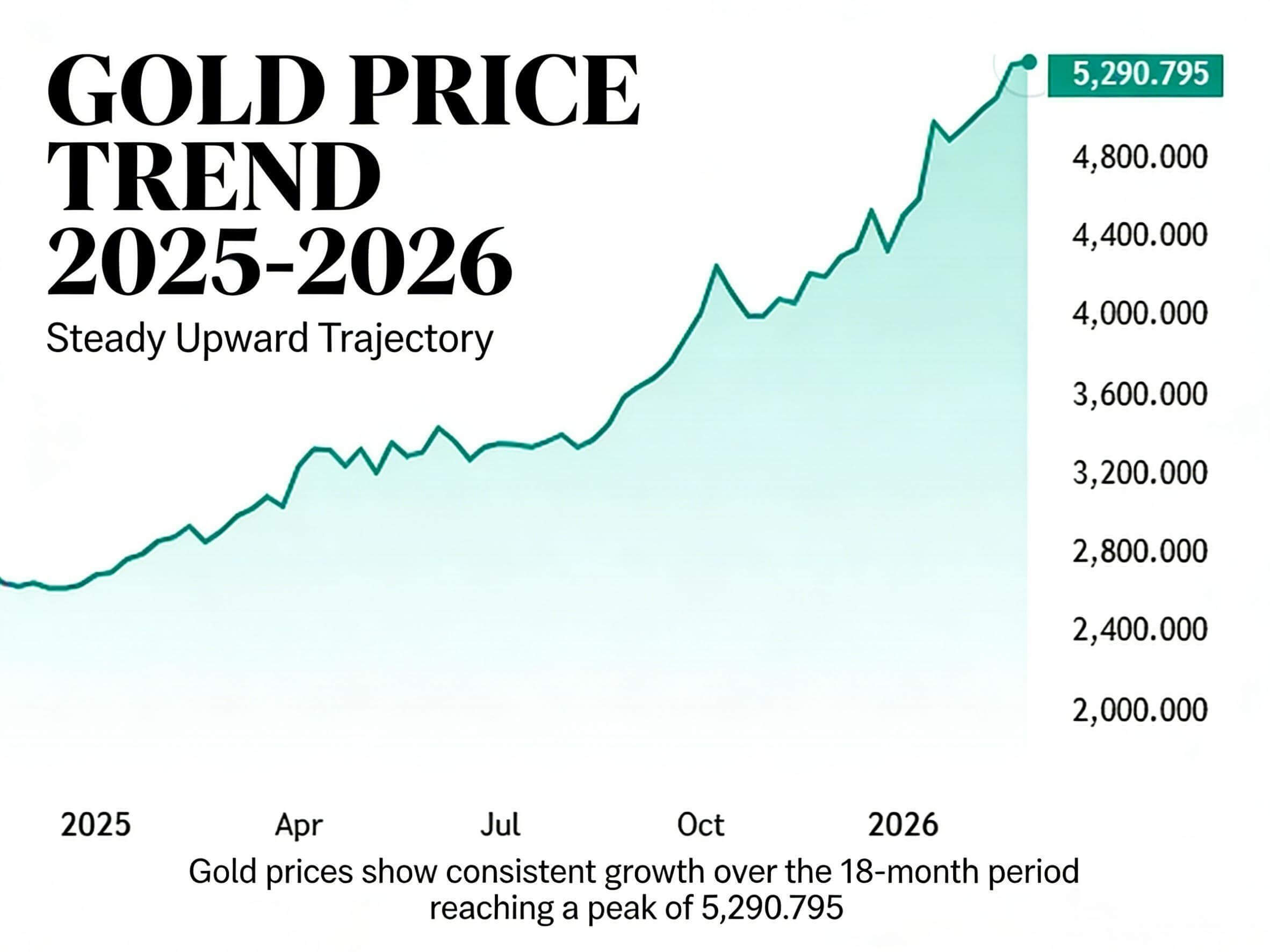
Gold has once again demonstrated its role as a safe-haven asset during geopolitical crises. As tensions escalate, investors typically shift capital into bullion, pushing prices upward. This short-term surge directly affects jewelry producers in several ways:
- Raw Material Cost Inflation
Gold is a core input for fine jewelry and gold-plated fashion jewelry. Even brands using 18K plating or vermeil experience margin pressure when base gold prices spike. Sudden price increases reduce cost predictability, complicating quotation cycles and wholesale negotiations. - Margin Compression vs. Retail Pricing Dilemma
Brands face a difficult decision: pass costs to consumers or absorb them. Raising prices risks dampening demand, especially in price-sensitive markets. Holding prices steady, however, erodes profitability. - Product Mix Adjustments
Many fashion jewelry companies may rebalance collections toward stainless steel, titanium, silver, or alternative finishes to offset gold exposure. Lightweight designs and thinner plating layers may also become more common in order to manage costs.
Middle East Luxury Demand: A Strategic Market at Risk
The Middle East, particularly the Gulf region, represents a high-value consumer base for premium jewelry. Markets such as the United Arab Emirates—with Dubai as a retail hub—have been among the fastest-growing luxury regions in recent years.
Escalating conflict creates several challenges:
- Temporary retail closures and reduced foot traffic
- Travel disruptions affecting tourism-driven jewelry sales
- Consumer uncertainty reducing discretionary spending
High-net-worth clients in the region are traditionally strong buyers of gold and statement jewelry pieces. A slowdown in this market can ripple outward, affecting European retail centers that depend on Middle Eastern tourists.
Supply Chain and Logistics Pressure
The strategic importance of the Strait of Hormuz adds another layer of risk. A significant share of global oil and petrochemical exports transit this corridor. Any disruption increases shipping insurance premiums, freight rates, and energy costs.
For fashion jewelry, this translates into:
- Higher transportation expenses
- Increased prices for resin, acrylic, synthetic stones, and packaging materials
- Longer lead times and greater inventory risk
Even brands not directly sourcing from the region will feel secondary cost inflation due to global logistics tightening.
Strategic Adaptation for Jewelry Brands

In this environment, resilience becomes a competitive advantage. Jewelry companies can consider:
- Hedging gold exposure where feasible
- Diversifying supplier bases across regions
- Strengthening e-commerce channels to offset regional retail slowdowns
- Emphasizing emotional value, timeless design, and durability to justify pricing
Interestingly, periods of instability often increase consumer interest in “lasting” and “meaningful” jewelry. Classic gold pieces, symbolic designs, and investment-oriented collections may gain renewed relevance.
Conclusion
The current geopolitical tensions extend far beyond energy markets. For the fashion jewelry industry, the impact spans raw material costs, regional demand shifts, and global supply chain stress. While volatility presents short-term challenges, brands that proactively adjust sourcing strategies, product positioning, and market diversification can turn uncertainty into strategic opportunity.