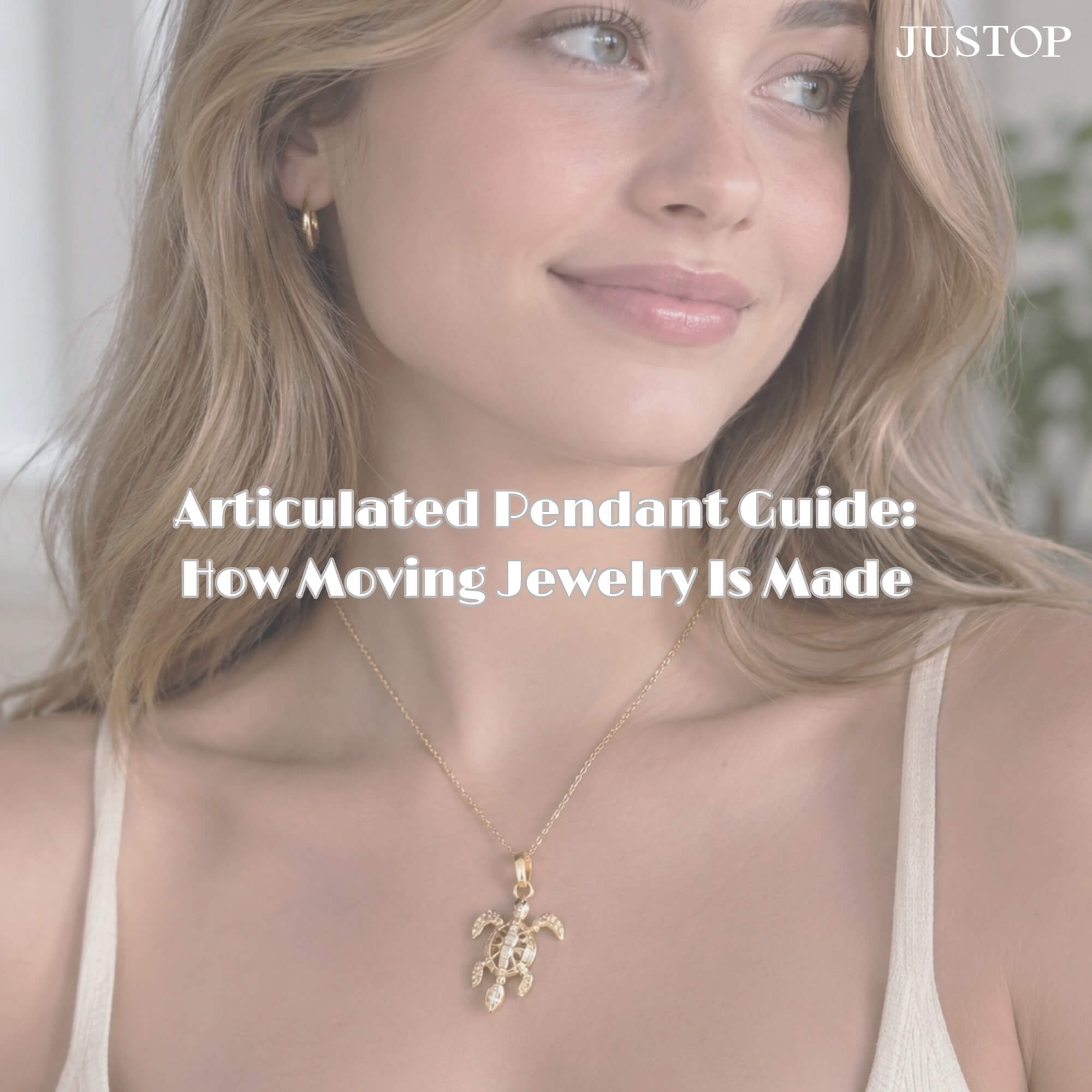
What Is an Articulated Pendant?
An articulated pendant is a jewelry piece made of multiple connected sections that can move independently. Unlike a traditional pendant with a fixed structure, it uses small joints, pins, or hinges to allow parts to bend, rotate, or swing with the wearer’s movements.
Common designs include animal figures with movable heads, segmented bodies, and flexible tails, as well as floral and geometric shapes. This type of articulated jewelry combines decorative design with mechanical engineering, creating jewelry that changes position naturally when worn.
How Does an Articulated Pendant Work?
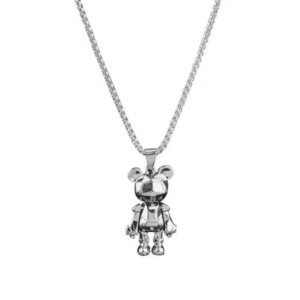
The movement of an articulated pendant depends on three key factors: joint construction, weight distribution, and friction control.
- Precision Joint Connections
Manufacturers divide the design into individual metal components and connect them using small pins, hinges, or interlocking joints. Each connection must allow the intended movement while keeping the components securely attached. Because jewelry joints are often extremely small, precise drilling, alignment, and assembly are essential.
- Weight Distribution and Natural Movement
The position and weight of each component determine how the pendant moves. For example, an animal pendant with a segmented body needs carefully balanced sections to create a smooth, natural-looking motion. Poor weight distribution may cause the pendant to move awkwardly or fail to maintain its intended shape.
- Friction and Structural Stability
Joint friction controls how freely each section moves. Tighter joints provide more resistance, while looser joints allow easier movement. Skilled assembly helps balance flexibility with stability, reducing unwanted looseness and wear during everyday use.
These principles are also central to kinetic jewelry, a broader category in which movement is an intentional part of the design.
Which Materials Are Best for Articulated Jewelry?
The choice of material affects the durability, weight, appearance, and manufacturing cost of an articulated pendant.
- Stainless Steel: Durable and corrosion-resistant, making it suitable for everyday fashion jewelry and gold-plated designs.
- Copper: Easy to shape into detailed components, commonly used in fashion jewelry, but may oxidize over time.
- Brass: Versatile and suitable for various plating finishes, making it a popular choice for decorative pendants.
- 925 Sterling Silver: Offers a classic finish and good workability for detailed jewelry designs.
- 18K and 24K Gold: Provide premium appeal, although 24K gold is softer and requires extra care in moving-joint construction.
- Titanium: Lightweight and strong, ideal for larger articulated pendants where wearing comfort matters.
The best material depends on the design, joint structure, target price, and required durability.
Why Is Articulated Jewelry Difficult to Manufacture?
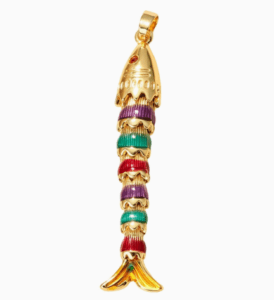
The main challenge is not simply creating an attractive shape. It is engineering multiple small components to move smoothly without becoming loose or separating.
Complex designs may require individual part fabrication, precise joint alignment, repeated movement testing, and careful finishing. Every connection must function correctly while maintaining the pendant’s overall appearance and structural integrity. This makes jewelry craftsmanship particularly important in articulated designs.
For jewelry designers and manufacturers, a movable pendant or moving pendant necklace offers opportunities to develop distinctive collections. An articulated charm can also introduce movement into bracelets and other accessories.
Conclusion
An articulated pendant combines jewelry design with precision engineering. Its success depends on well-designed joints, balanced components, suitable materials, and careful assembly. Understanding these factors helps jewelry brands evaluate product quality and develop moving jewelry that balances visual appeal, durability, and wearing comfort.