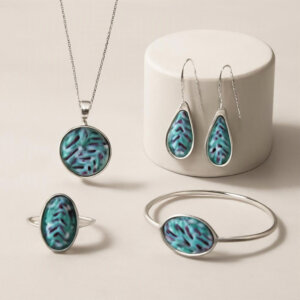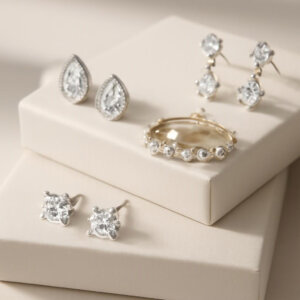

Jewelry can lose its shine over time due to oxidation, sweat, cosmetics, dust, and everyday wear. Whether you own sterling silver jewelry, pearl necklaces, gemstone beads, or gold-plated accessories, proper jewelry care helps maintain their appearance and extend their lifespan.
The best approach to jewelry cleaning is to identify the material before choosing a cleaning method. Here are practical jewelry cleaning tips for keeping different types of jewelry looking their best at home.
How to Clean and Polish Silver Jewelry

Sterling silver naturally tarnishes when exposed to sulfur compounds, moisture, and air. Regular cleaning helps prevent heavy discoloration.
Use a silver polishing cloth: Gently wipe silver jewelry after wearing it to remove fingerprints, sweat, and light tarnish.
Try a suitable polishing compound: For plain, smooth silver surfaces, a jewelry polishing compound and soft cloth can help restore shine.
Store it properly: Keep silver pieces in airtight bags or individual jewelry boxes to reduce exposure to air and moisture.
For those wondering how to clean silver jewelry or how to remove tarnish from silver, a silver polishing cloth is usually the easiest option for routine care. Avoid frequent chemical cleaners, especially on jewelry with gemstones or delicate settings.
How to Clean Beaded, Pearl, and Gemstone Jewelry
Different bead materials require different cleaning methods.
Gemstone and Crystal Jewelry
For natural stones, agate, and crystal beads, use a soft cloth and a little clean water when appropriate. Avoid abrasive polishing compounds and sandpaper, which may scratch or damage delicate surfaces. These simple steps are useful when learning how to clean crystal jewelry.
Pearl and Mother of Pearl Jewelry
Pearls and shell-based materials are sensitive to chemicals and abrasion. After wearing, gently wipe them with a soft, dry cloth to remove sweat and cosmetic residue. Avoid silver cleaners, ultrasonic cleaning, and polishing compounds. Proper pearl jewelry care helps preserve their natural luster.
Wooden Beads
Wooden and bodhi beads should generally be kept away from excessive moisture and harsh chemicals. Gentle handling and dry cotton cloths help maintain their surface.
Common Jewelry Problems and Maintenance Tips

Good jewelry maintenance goes beyond cleaning. Check your jewelry regularly for loose stones, damaged clasps, stretched elastic cords, and tangled chains.
Tarnished jewelry: Use a suitable cleaning cloth based on the metal type.
Scratches: Minor marks on plain metal may be improved with appropriate polishing products, while deep scratches require professional care.
Loose gemstones: Stop wearing the piece and have the setting checked by a jeweler.
Gold-plated jewelry: Avoid abrasive polishing to prevent damaging the plating.
Tangled chains: Separate knots gently without pulling or stretching the links.
How to Store Jewelry Properly
Proper jewelry storage is essential for preventing scratches, tarnishing, and unnecessary wear. Store necklaces, rings, bracelets, and earrings separately in a dry, cool place. Remove jewelry before showering, exercising, or swimming. Also, avoid using an ultrasonic jewelry cleaner on pearls, porous gemstones, or pieces with loose settings.
Final Jewelry Care Tips
Effective jewelry care comes down to three habits: clean gently after wearing, store pieces separately, and inspect them regularly. Always identify the material before choosing a cleaning method. When in doubt, avoid abrasive products and harsh chemicals and consult a professional jeweler. These simple habits make everyday jewelry cleaning safer and help preserve your favorite pieces for longer.