
What is Sedex?
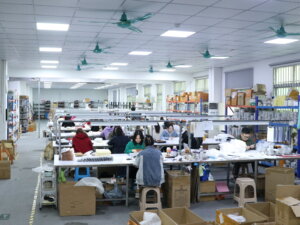
Sedex, short for Supplier Ethical Data Exchange, was founded in 2004 in the United Kingdom by several major retailers, including Tesco and The Co-operative Group. At that time, these global retailers faced increasing pressure from consumers and NGOs to ensure that factories in their supply chains followed ethical labor, safety, and environmental practices. Each retailer required its suppliers to complete separate audits, creating a heavy and repetitive workload for manufacturers.
To solve this, Sedex was established as a non-profit, online data-sharing platform. Its goal was not to issue certificates but to streamline ethical audits and share social compliance data among multiple buyers. In practice, a factory (supplier) creates an account on the Sedex platform, uploads its ethical audit information, and grants access to its clients. This means one audit can satisfy the requirements of multiple buyers—reducing duplication and improving transparency across the global supply chain.
It’s important to clarify that what many call a “Sedex certificate” is actually a SMETA audit report—an assessment conducted according to Sedex Members Ethical Trade Audit (SMETA) standards. Sedex itself does not issue certificates; it provides the platform for sharing verified ethical data.
Why Sedex Matters for the Fashion Jewelry Industry

A Gateway to Global Orders
For jewelry factories aiming to collaborate with international brands, Sedex certification is often a non-negotiable requirement. Many major retailers and brands—including Amazon, Walmart, Marks & Spencer, and global fashion houses—only work with suppliers who are registered and audited through Sedex. Without it, you may not even qualify to enter their supplier lists.
Building Trust and Brand Reputation
In the fashion accessories sector, concerns about “sweatshops” and unsafe working conditions have long existed. Completing a SMETA audit demonstrates your factory’s commitment to ethical practices: fair wages, safe workplaces, reasonable working hours, and transparent management. This builds a strong and trustworthy brand image—one that attracts quality clients who value social responsibility.
Reducing Repeated Audits and Saving Costs
Once your audit results are uploaded to the Sedex platform, you can share them with multiple buyers. This eliminates the need for numerous similar audits from different clients, saving valuable time, labor, and cost while maintaining credibility and compliance.
Improving Management and Reducing Risk
Preparing for a Sedex (SMETA) audit acts as a comprehensive check-up of your factory’s systems—from labor management and safety practices to environmental standards. This helps identify weaknesses, improve efficiency, and prevent risks like labor disputes or safety incidents that could disrupt production.
Aligning with Global Market Trends
Modern consumers—especially Millennials and Gen Z—care deeply about the ethics behind the products they buy. Retailers now demand proof of responsible sourcing, and Sedex certification allows your factory to demonstrate compliance with sustainability and ethical trade standards.
In Conclusion

For any fashion jewelry manufacturer looking to expand internationally, Sedex certification is not optional—it is essential. Though it’s not a literal “certificate,” it serves as a passport to the global market and a symbol of reliability in social and ethical standards.
At JUSTOP, we are proud to be a Sedex-certified jewelry factory, committed to ethical production and sustainable development. We welcome jewelry brands and partners from around the world to connect with us—or visit our facility in person—to explore trustworthy, responsible, and long-term cooperation.