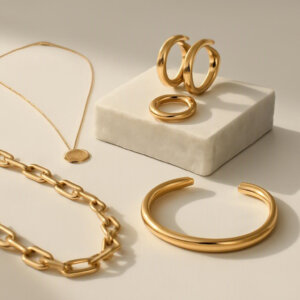
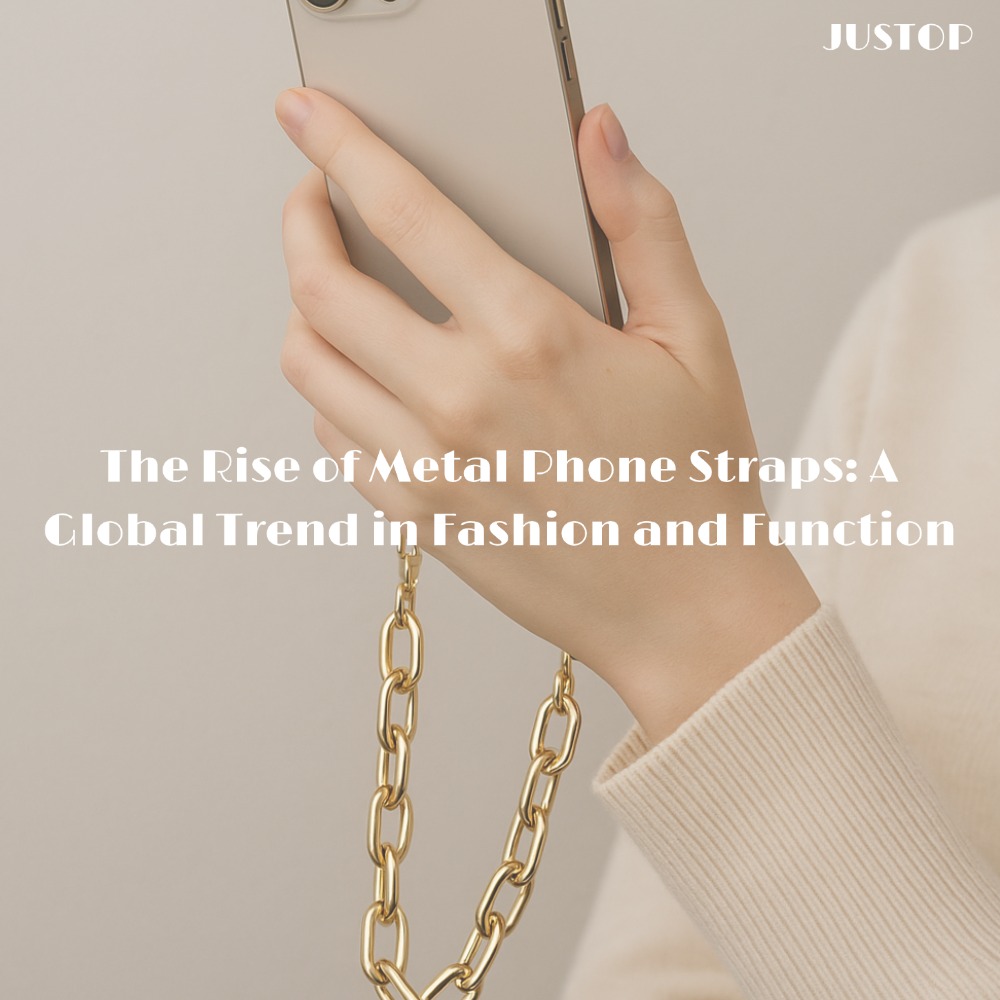
In recent years, the humble metal phone strap has undergone a stylish evolution, transforming from a simple accessory into a fashion-forward statement. While traditional cell phone lanyards and fabric charms dominated earlier decades, today’s metal phone charms are gaining traction among fashion enthusiasts, especially in East Asia and select Western markets. The combination of luxury materials, aesthetic appeal, and functionality has propelled this trend into the spotlight.
A Fashion Accessory Reimagined
Once considered playful trinkets, phone charms are now seen as an extension of personal style. The modern metal phone chain embraces minimalist elegance with metallic finishes in gold, silver, and rose tones. Some feature refined details such as zodiac signs, vintage coins, or designer initials, elevating the charm into a wearable piece of jewelry. These designer phone charms are particularly popular among young women seeking unique, Instagram-worthy accessories.
East Asian countries—especially Japan, Korea, and China—are leading the charge. The Japanese phone charm culture, rooted in decades of mobile accessory obsession, continues to influence global trends. Japanese brands like Q-pot and Vendome Aoyama offer intricate, collectible designs that resonate with a youthful, fashion-conscious audience. On platforms like Xiaohongshu and Instagram, “metal aesthetic” posts showcasing coordinated outfits with matching phone charm straps are trending rapidly.
Regional Preferences and Market Diversity
In East Asia, the metal phone lanyard is not only a style piece but also a cultural staple. Korean and Chinese youth often pair delicate chains with transparent phone cases, allowing their customized look to shine through. Meanwhile, Southeast Asian countries like Thailand and Vietnam are embracing gold-plated chains combined with crystals or charms, often influenced by K-Pop fashion and J-style aesthetics.
In Western markets, the appeal is twofold. In cities like New York, Los Angeles, and London, metal phone straps appeal to the light luxury consumer. Brands like Missoma and Monica Vinader have released their own versions, focusing on premium materials and refined designs. However, the mass market still favors practicality, with most consumers opting for silicone or woven styles. As a result, metal phone lanyards remain a niche but growing segment in the U.S. and Europe.
Pros, Cons, and Future Potential
The primary advantage of a metal phone charm is durability and elegance. Compared to fabric or plastic straps, metal chains resist wear and elevate the look of a basic phone. They’re especially popular with those who prioritize a cohesive, sophisticated aesthetic. However, drawbacks such as added weight, higher cost, and limited case compatibility still pose challenges.
Looking ahead, we expect innovations like lightweight alloys, phone wrist straps with AirTag integration, and eco-friendly options using recycled metals. The blend of style and function positions metal phone straps as a growing trend for both fashion lovers and practical users.