The Rich World of Baroque Pearl Colors
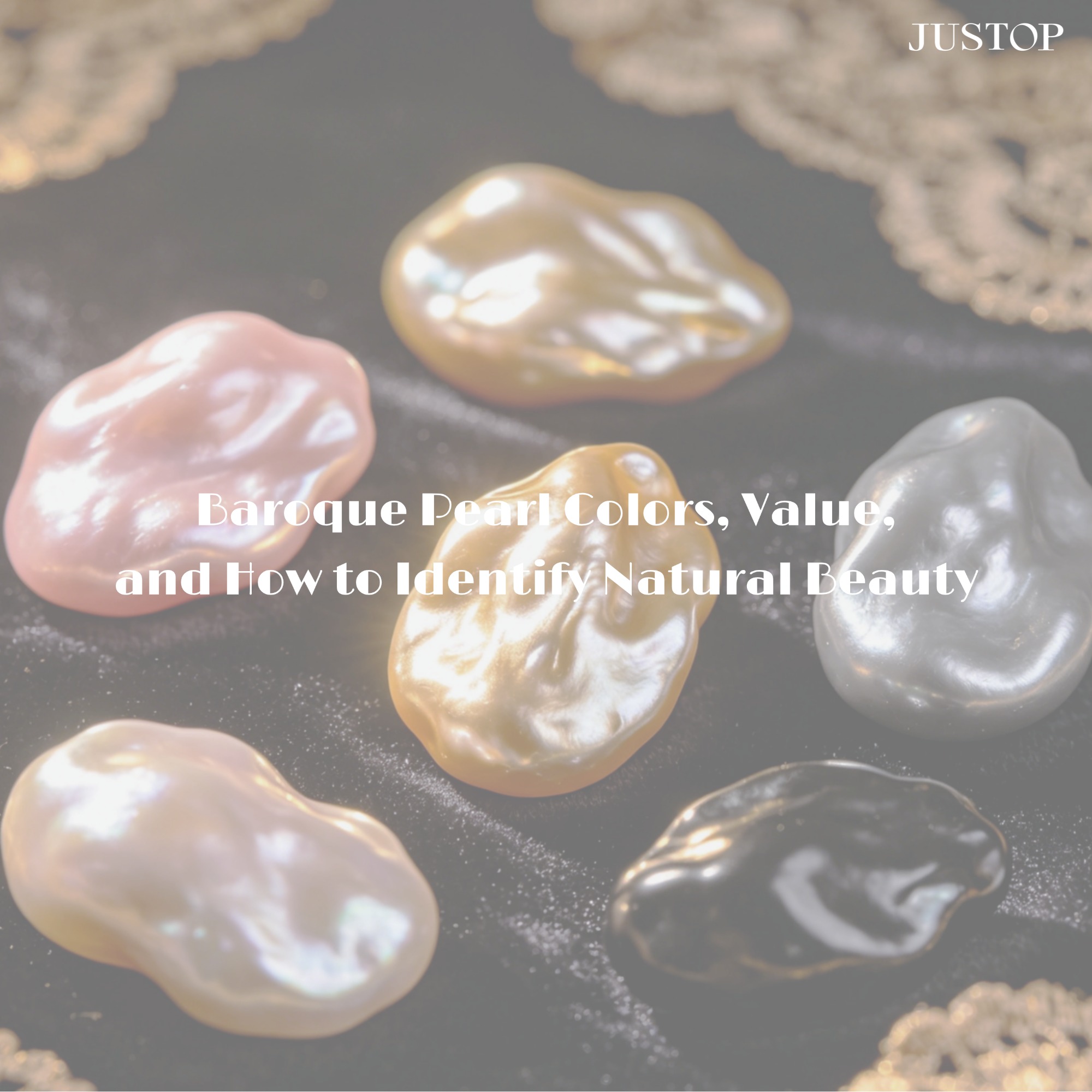
Baroque pearls are celebrated for their irregular shapes and extraordinary range of colors. Unlike perfectly round pearls, they offer a more artistic and organic appeal. Among all varieties, freshwater baroque pearls are the most diverse in color. These pearls, cultivated mainly in China and the United States, display a wide spectrum known as freshwater pearls colors, including white, cream, pink, lavender, peach, and champagne tones. A soft pink baroque pearl with strong luster can be especially desirable for elegant jewelry designs.
In contrast, Tahitian baroque pearls are known for their darker, more dramatic palette. Often referred to as Tahitian black pearls, they feature shades like black, dark gray, green, and the highly sought-after peacock pearl color, which blends green, blue, and purple overtones. These pearls are cultivated in French Polynesia and are prized for their exotic appearance.
Meanwhile, South Sea baroque pearls are famous for their size and luxurious tones. Cultivated in Australia, Indonesia, and the Philippines, they commonly appear in white, silver, and South Sea pearls gold, with golden varieties being particularly valuable. Their strong luster and large size contribute to a higher South Sea pearl price in the market.
Which Pearl Color Is the Most Valuable?

Among all pearl varieties, the most expensive pearl color is typically found in rare blue tones. These pearls are extremely uncommon, especially among Tahitian varieties, which significantly increases their blue pearl price. Their deep, ocean-like color and high clarity make them highly collectible.
Other valuable colors include peacock green, gold, and deep black. The overall Tahitian pearl value often depends on how vivid and unique the color appears, combined with luster and surface quality. However, it’s important to note that color alone does not determine value. Factors such as size, shape, and especially pearl luster meaning—which refers to the sharpness and brightness of light reflection—are equally important.
How to Tell If Pearls Are Natural or Dyed

Understanding how to tell if pearls are real or naturally colored is essential when purchasing high-value pieces. Natural pearls typically show a soft, gradual transition of color, while dyed pearls often appear overly uniform or artificial.
Another key indicator is luster. In natural pearls, the color seems to glow from within, whereas dyed pearls may have color sitting on the surface, reducing their shine. Surface inspection can also help—under magnification, dyed pearls may show pigment buildup in cracks or drill holes.
For accurate verification, professionals rely on the pearl grading system and advanced tools such as X-rays and spectroscopes. Certifications from reputable gemological institutions can confirm whether a pearl’s color is natural.
Final Thoughts
From soft-toned freshwater baroque pearls to dramatic Tahitian black pearls and luxurious South Sea baroque pearls, the world of baroque pearls is incredibly diverse. By understanding color variations, value factors, and identification methods, you can confidently select pearls that combine beauty with authenticity.