
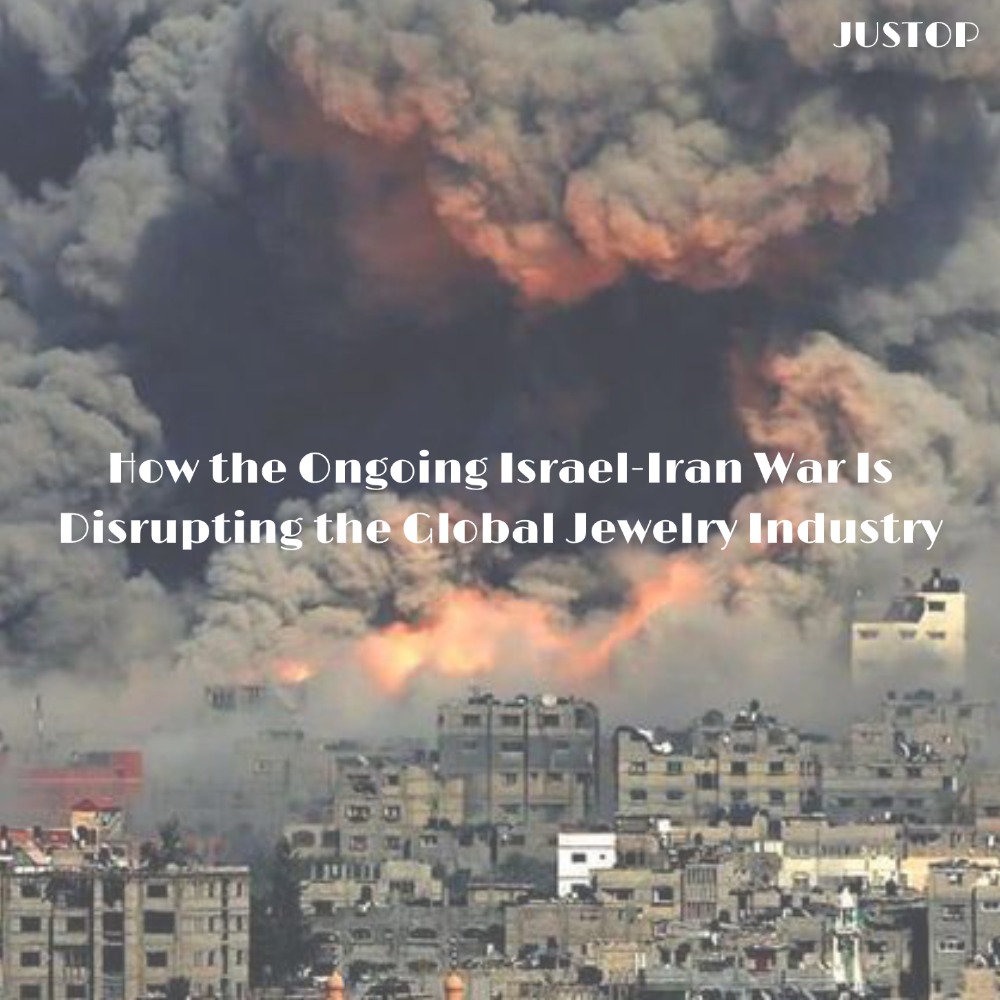
The escalation of full-scale war between Israel and Iran is already sending shockwaves across global industries—and the jewelry sector is no exception. With two key players in the gemstone and logistics ecosystem now in active conflict, the jewelry supply chain is facing real and immediate disruption.
Immediate Impact on Raw Materials and Prices

Israel, a major diamond processing center, is seeing facility slowdowns or shutdowns in cities like Ramat Gan. As a result, diamond export restrictions are tightening, causing a gemstone price surge across global markets. At the same time, Iran’s significant role in Persian turquoise mining and regional logistics has also been interrupted.
The conflict has also intensified raw material price volatility, with ripple effects on the 14k gold wholesale price and gold jewelry wholesale price. Gold, being a traditional safe haven asset, has spiked in price, adding to the cost of manufacturing and retailing jewelry globally. Retailers are bracing for an extended period of jewelry cost inflation forecast.
Supply Chain Bottlenecks and Oil Price Shock
The geopolitical crisis has made the Suez Canal shipping delay jewelry concern a reality. With the region’s ports under threat and maritime insurance premiums rising, the jewelry industry is experiencing actual jewelry global shipping delays.
Moreover, sanctions and instability have already pushed oil prices upward, contributing to a broader oil volatility jewelry prices crisis. The impact isn’t just on transport—jewelry raw materials cost surge is being felt in resin, packaging, and synthetic components, all of which depend on petrochemical by-products.
Global Trade and Currency Risks
Trade between global hubs and Middle Eastern suppliers is encountering serious jewelry import export challenges, worsened by currency risk in jewelry trade. With the Iranian rial and Israeli shekel both under pressure, companies are facing difficulty managing stable cross-border transactions.
Many wholesale buyers are also concerned about precious metal supply shock, with delays affecting silver, gold, and copper procurement. As a result, many smaller brands may experience production halts or be forced to raise prices dramatically.
Industry Response and Strategic Adaptation
In response to the war, companies are actively seeking alternative gemstone suppliers in Africa, Southeast Asia, and Latin America. Although this might stabilize supply in the long run, short-term disruptions are inevitable.
The jewelry sector is now operating under heightened jewelry industry geopolitical risk, requiring businesses to be agile and diversified in sourcing and production. This environment has created a sense of jewelry market uncertainty among both retailers and consumers, especially for mid- to high-end pieces.
Conclusion
The Israel-Iran war is no longer a hypothetical risk—it is an unfolding reality. From increase jewelry import costs to rising oil sanctions impact jewelry, the industry must rethink logistics, supplier relationships, and pricing strategies. The ability to adapt quickly will separate resilient brands from vulnerable ones in the months ahead.