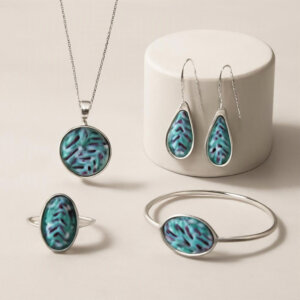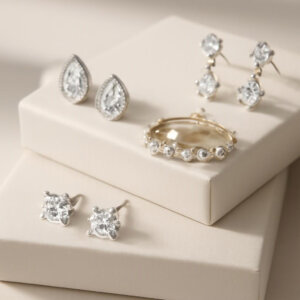

Cellulose acetate is a plant-derived, cellulose-based material made primarily from wood pulp. Widely used in fashion jewelry, hair accessories, and textiles, it is valued for its glossy finish, rich colors, smooth texture, and lightweight properties. In the accessories industry, cellulose acetate is a popular material for making acetate earrings, hair clips, claw clips, and decorative jewelry components.
What Is Cellulose Acetate Material?
Cellulose acetate is produced by chemically modifying natural cellulose through a process called acetylation. Depending on the degree of acetylation, it is classified into cellulose diacetate and cellulose triacetate.
For fashion accessories, cellulose acetate is commonly manufactured into solid sheets, known as cellulose acetate sheets or acetate sheet material. These sheets can be cut, shaped, polished, and layered to create accessories with distinctive colors, patterns, and finishes.
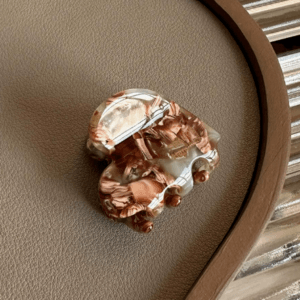
Unlike conventional plastic materials, acetate material is particularly appreciated for its depth of color and patterns that resemble natural stone, marble, and tortoiseshell.
What Is Cellulose Acetate Used For?
Cellulose acetate has applications in textiles and fashion accessories. In the textile industry, acetate fibers are used in clothing, garment linings, scarves, and decorative fabrics because of their silk-like appearance and smooth texture.
In fashion accessories, cellulose acetate is widely used to manufacture:
Acetate Hair Accessories: Hair clips, claw clips, barrettes, headbands, and hair combs.
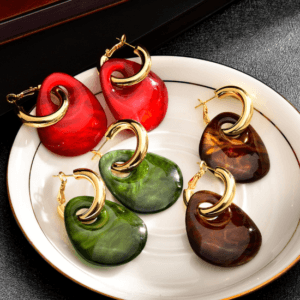
Acetate Earrings: Lightweight earrings featuring floral, geometric, and abstract designs.
Acetate Jewelry Accessories: Decorative pendants, charms, and colorful jewelry components.
Tortoiseshell Hair Clips: Popular hair accessories featuring classic brown, amber, and black patterns.
Cellulose acetate hair clips are especially appreciated for their decorative appearance, comfortable weight, and versatile styling options.
Cellulose Acetate vs Acrylic: Which Is Better for Jewelry?
Cellulose acetate and acrylic are both popular materials for fashion jewelry, but they have different characteristics.
Appearance and Texture
Cellulose acetate offers rich color depth, a glossy finish, and layered patterns that can resemble jade, marble, or tortoiseshell. Acrylic is also available in a wide range of colors and finishes, making it suitable for modern decorative designs.
Weight and Comfort
Both materials can be used to create lightweight accessories. Cellulose acetate is particularly suitable for larger acetate earrings and decorative hair accessories designed for comfortable everyday wear.
Flexibility and Durability
The flexibility, hardness, and scratch resistance of both materials depend on their formulation, thickness, and manufacturing process. Choosing the right material depends on the intended design and product requirements.
Is Cellulose Acetate Eco-Friendly?
Cellulose acetate is made using cellulose from renewable plant-based sources, such as wood pulp. This makes it an alternative to conventional petroleum-based plastics. However, its environmental impact depends on the production process, chemical treatments, additives, and disposal conditions. It should not automatically be considered biodegradable or environmentally harmless.
How to Care for Cellulose Acetate Accessories
To maintain the appearance of acetate jewelry and hair accessories, avoid prolonged exposure to direct sunlight, high temperatures, and heat sources such as curling irons. Store accessories separately to prevent scratches and clean them gently with a soft, dry cloth.
From acetate earrings to acetate claw clips, cellulose acetate combines versatile design possibilities with an attractive finish. For fashion jewelry manufacturers, retailers, and wholesale buyers, it is a valuable material for developing distinctive hair accessories and jewelry collections.