
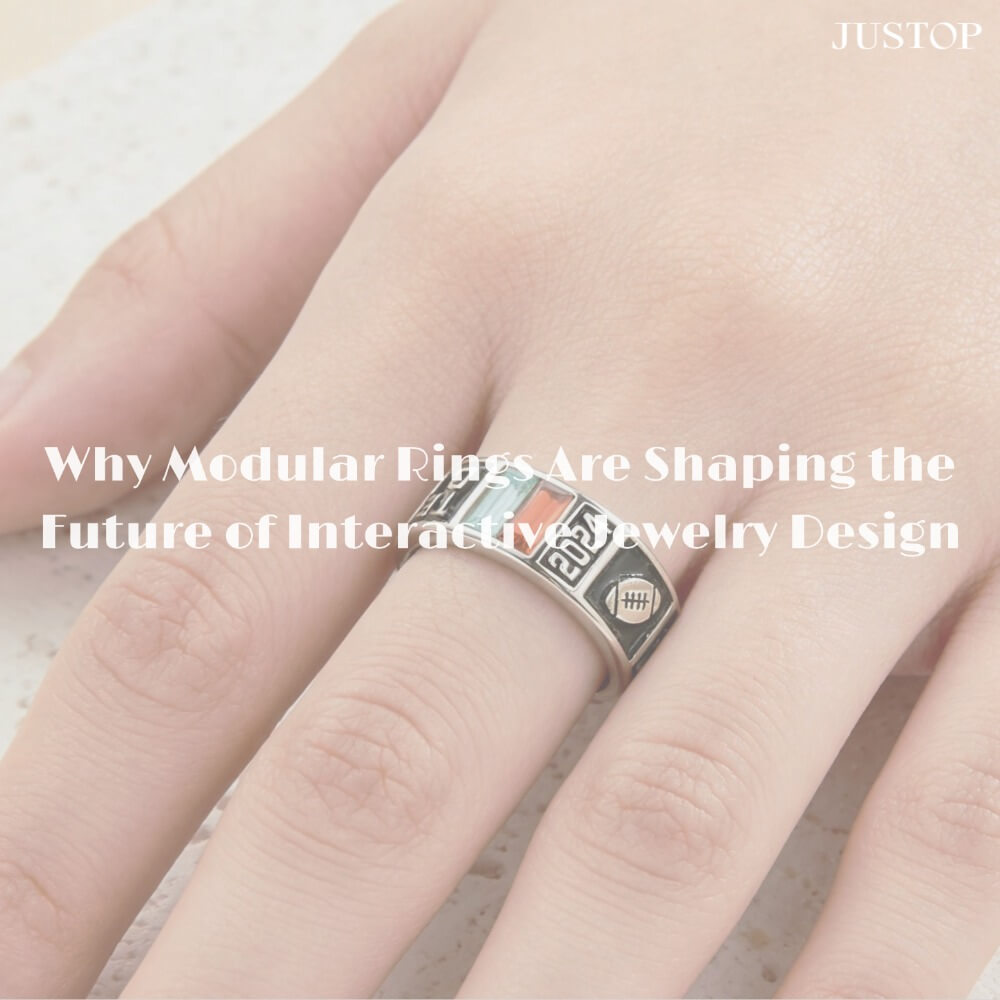
The idea of a ring that can be assembled piece by piece is no longer futuristic—it is already a defining trend in contemporary jewelry. A customizable ring allows the wearer to insert selected elements into a base structure, transforming jewelry from a finished product into a creative process. In this sense, the wearer becomes a co-creator, shaping a personal object that evolves with mood, memory, and identity.
This shift reflects a broader movement toward personalization, interaction, and emotional value in fashion accessories, making the modular ring one of the most compelling innovations in modern jewelry design.
The Core Concept of Modular Jewelry
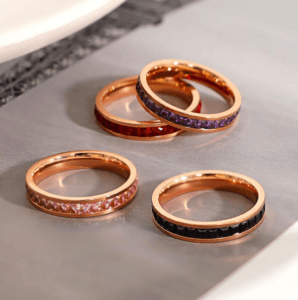
At the heart of this trend lies modular jewelry. Much like building blocks, a modular system starts with a base ring—often referred to as a holder, track, or setting—into which different components can be added or replaced. This structure enables an interchangeable ring design, allowing endless combinations without requiring multiple separate rings.
Many brands now invite customers to build your own ring, selecting modules that reflect personal stories, aesthetics, or symbolic meanings. This flexibility also supports the growing popularity of mix and match ring styling, where wearers adjust their jewelry daily.
What Elements Can Be Inserted?
The range of elements used in interchangeable jewelry is remarkably diverse. Alphabet letters, zodiac signs, and symbolic icons allow for personal identification. Gemstones, birthstones, enamel pieces, ceramic inserts, or wood textures add color and material contrast.
Beyond decorative elements, functional modules are increasingly popular. Examples include compass ring jewelry, rotating gear components, miniature watch faces, or sealed capsules designed to hold fragrance or keepsakes. Emotional storytelling also plays a key role, with memory ring jewelry incorporating photo inserts, engraved message plates, or other sentimental contents.
How Do These Rings Work?
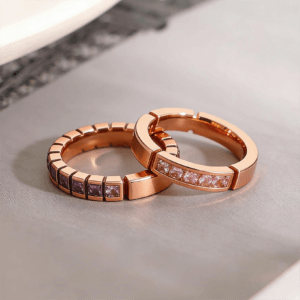
There are several structural solutions behind interactive jewelry design. Track-based systems use sliding grooves to lock modules into place. Others rely on standardized settings where faceplates can be swapped. Magnetic ring jewelry uses small hidden magnets for easy replacement, while threaded systems screw modules securely into the ring base, offering greater stability.
Each method balances ease of use with durability, depending on whether the design prioritizes daily wear or experimental styling.
Materials and Global Appeal
Base rings are typically made from durable metals such as 925 silver, gold alloys, or stainless steel, ensuring long-term structural integrity. Modules themselves often use mixed materials, from gemstones to enamel and eco-friendly resin, making DIY ring jewelry both accessible and expressive.
This concept has gained strong traction in North America, Europe, and East Asia, where consumers value experiential and emotionally driven products. As personalization becomes central to modern fashion, modular rings stand out as jewelry that grows with the wearer.
In essence, modular rings redefine what jewelry can be—not static decoration, but a living, changeable expression of self.