
Understanding the best time to buy jewelry depends on who you are—an individual shopper, a boutique owner seeking fashion jewelry wholesale, or a brand planning large-scale OEM production. Each group navigates different pricing cycles, supply-chain rhythms, and market opportunities. Here’s a clear breakdown for all three.
For Individual Consumers: Shop the Big Promotions
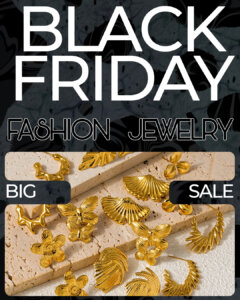
For personal buyers, timing purchases around major retail events is key. The deepest jewelry sale periods typically fall between late November and early January.
The most significant discounts appear during Black Friday jewelry deals, Cyber Monday jewelry promotions, and holiday jewelry sale events where both e-commerce and physical stores offer 20–40% off.
Another excellent window opens right after Christmas. Retailers often clear stock during their post-celebration rush, making it ideal for securing Christmas jewelry gifts for the next year.
Seasonal deals matter too. January and July bring widespread seasonal clearance sale events, offering strong jewelry discount opportunities on classic pieces. Meanwhile, brand “members-only” days can offer VIP access to early promotions.
Consumer strategy: Buy for holidays, hunt bargains right after, and monitor brand newsletters for unannounced deals.
For Boutiques and Buyers: Follow the Industry’s Procurement Rhythm
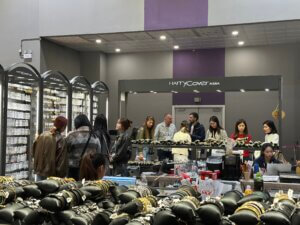
Shops buying through wholesale jewelry suppliers must match purchasing cycles with customer demand. Industry-leading jewelry trade shows are the most valuable sourcing opportunities, such as the JCK Las Vegas show, Hong Kong jewelry fair, and Vicenzaoro jewelry show. These events provide direct access to global designs, competitive pricing, and emerging wholesale jewelry trends.
Early-bird ordering is another strong strategy. Many workshops and boutique jewelry wholesale providers offer 5–15% discounts for early seasonal commitments.
Finally, wholesale “off-season” (February–March and July–August) allows boutiques to negotiate better prices and secure production space for limited-run pieces.
Boutique strategy: Prioritize trade shows, book early to save money, and use off-season months to expand assortments or create exclusive lines.
For Brands and Custom Projects: Plan Backward From Your Launch Date

Brands working with an OEM or custom jewelry manufacturer must consider the broader jewelry supply chain. Production peaks must be avoided—especially the period surrounding the Chinese New Year and the August–November rush for Western holidays.
The best production windows are March–May, when factories resume full capacity, and June–July, when you still have comfortable time for sampling, revisions, and managing international shipping time.
Cost control is another strategic advantage. When analyzing the silver price forecast, gold price trend, or gemstone fluctuations, brands can lock in material costs at favorable points.
Finally, factor in jewelry import tax and local VAT when budgeting across international markets.
Brand strategy: Reverse-engineer timelines, lock in material prices during stable periods, and nurture long-term factory partnerships for priority production.