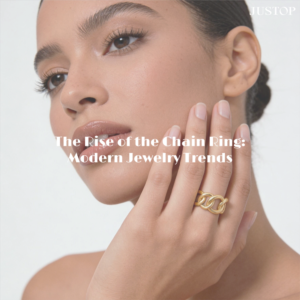

An Adjustable Open Ring may look simple, but its ability to resize comfortably depends on more than just its open-ended design. In practice, some size adjustable rings can be resized effortlessly by hand, while others resist movement or risk damage if adjusted too much. The key lies in three fundamental metal properties: hardness, elasticity, and ductility—combined with thoughtful structural design.
Understanding these factors helps buyers, designers, and retailers choose the right adjustable finger ring for daily wear, gifting, or wholesale collections.
What Determines the Adjustability of an Open Band Ring?

Not all open band rings are created equal. Their adjustability is mainly influenced by:
- Material hardness
Harder metals require more force to bend and are less forgiving. While they may offer excellent durability, they often lack flexibility for resizing. - Ring thickness and width
Even in the same material, a thicker or wider band creates more rigidity. This is why slim Expandable Rings are generally easier to adjust than chunky designs. - Open-end structure
A clean, minimal “C-shape” opening allows for a wider resizing range. In contrast, reinforced ends, decorative tips, or gemstone settings can limit movement and increase stress points.
How Different Materials Affect Adjustable Rings
Sterling Silver: The Ideal Choice
A sterling silver adjustable ring offers the best balance of softness, strength, and beauty. Thanks to silver’s excellent ductility, it can typically be resized by 1–2 sizes without tools. This makes it ideal for adjustable fashion rings, adjustable promise rings, and even delicate styles like adjustable midi rings or adjustable knuckle rings.
Brass: Flexible but Requires Care
A brass adjustable ring is another popular option, especially for vintage or boho adjustable rings. Brass adjusts fairly easily, but repeated bending in the same spot may cause metal fatigue over time. It works well for statement looks, including chunky adjustable rings, as long as resizing is done gently and infrequently.
Hard Metals and Plated Options
Materials like stainless steel or titanium are generally unsuitable for resizing. Even gold plated adjustable rings often depend on the base metal beneath the plating—if that core is too hard, adjustability will be limited, and plating damage may occur during resizing.
Choosing the Right Adjustable Ring for Different Wearers

For everyday versatility, sterling silver styles are ideal for mens adjustable rings, adjustable thumb rings, and couples adjustable rings, where comfort and fit flexibility matter most. More decorative designs—such as pearl adjustable rings or adjustable statement rings—benefit from softer metals that allow careful adjustment without compromising aesthetics.
Retailers also favor adjustable ring sets, as one-size-fits-most designs reduce sizing issues and returns.
Final Tips for Safe Adjustment
Regardless of material, adjustable rings should always be resized slowly, evenly, and gently. Avoid sharp bends at the opening, and never force rings with gemstones, pavé details, or complex structures. When in doubt, professional adjustment is the safest choice.
Choosing the right material ensures that an adjustable ring is not just flexible—but durable, wearable, and made to last.