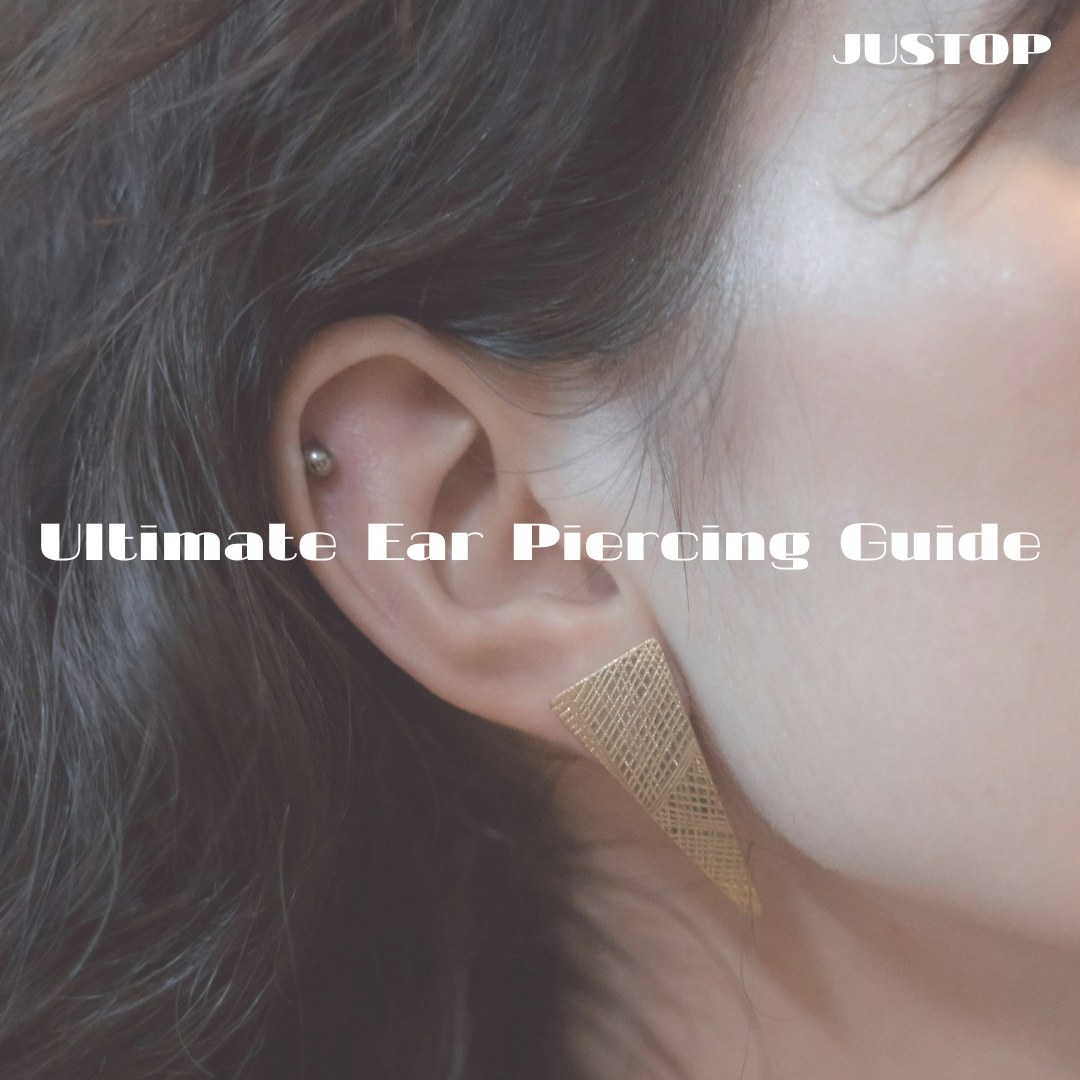
Ear piercing has become one of the most popular fashion trends globally. More than just an accessory, it represents personality, style, and cultural identity. Whether you’re looking for bold ear piercing styles or subtle elegance, there’s something for everyone.
Global Trends in Ear Piercing
In recent years, ear piercing trends have evolved significantly. In Western countries like the US, UK, and Germany, piercings such as helix, tragus, and industrial piercings have become widely popular among the younger generation. Meanwhile, in Asia—especially in Korea, Japan, and Thailand—minimalist and symmetrical ear piercing jewelry is in high demand. Middle Eastern and Latin American markets show a strong preference for high-quality metal materials like surgical steel and 925 silver.
Types of Ear Piercing & Placement
If you’re new to the world of piercing, a good ear piercing guide is essential. Popular ear piercing types include:
Lobe piercing: The most common and beginner-friendly.
Helix piercing: On the upper ear cartilage.
Tragus and Daith: Inner cartilage piercings, great for small studs or hoops.
Conch, Snug, and Anti-helix: For those wanting a bolder look.
Industrial piercing: A straight bar across the upper ear, requiring two holes.
Piercing for All Ages and Genders
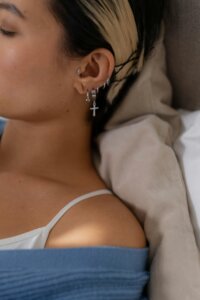
Ear piercing for men is becoming increasingly popular, especially styles like helix, tragus, and lobe. For women, creative ear piercing ideas often involve curated ear looks with multiple dainty piercings. While there’s no universal ear piercing age limit, most professionals recommend waiting until at least age 6–8 for children, and parental consent is often required for minors.
Cost, Pain, and Healing
Wondering about ear piercing pain level or ear piercing cost? Pain levels vary based on the location, with lobe piercings being the least painful and cartilage areas slightly more sensitive. Cost also ranges depending on region and materials. You can always search “ear piercing near me” to find certified professionals in your area.
The ear piercing healing time varies:
Lobe: 4–6 weeks
Cartilage: 3–6 months
Industrial: 6–12 months
Safety & Aftercare Tips

Proper ear piercing aftercare is essential to avoid complications. Here are key tips:
- Clean daily with saline or piercing solution.
- Avoid touching or changing jewelry early on.
- Skip swimming or saunas during the healing period.
- Use hypoallergenic materials such as titanium or stainless steel.
Avoid DIY methods unless using approved ear piercing kits or ear piercing tools. When in doubt, professional service is safer and more reliable.
If not properly cared for, ear piercing infection may occur—watch for swelling, redness, or discharge and consult a professional immediately.
Whether you’re a first-timer or a piercing enthusiast, this comprehensive overview of ear piercing locations, trends, and care will guide you through a safe and stylish experience.