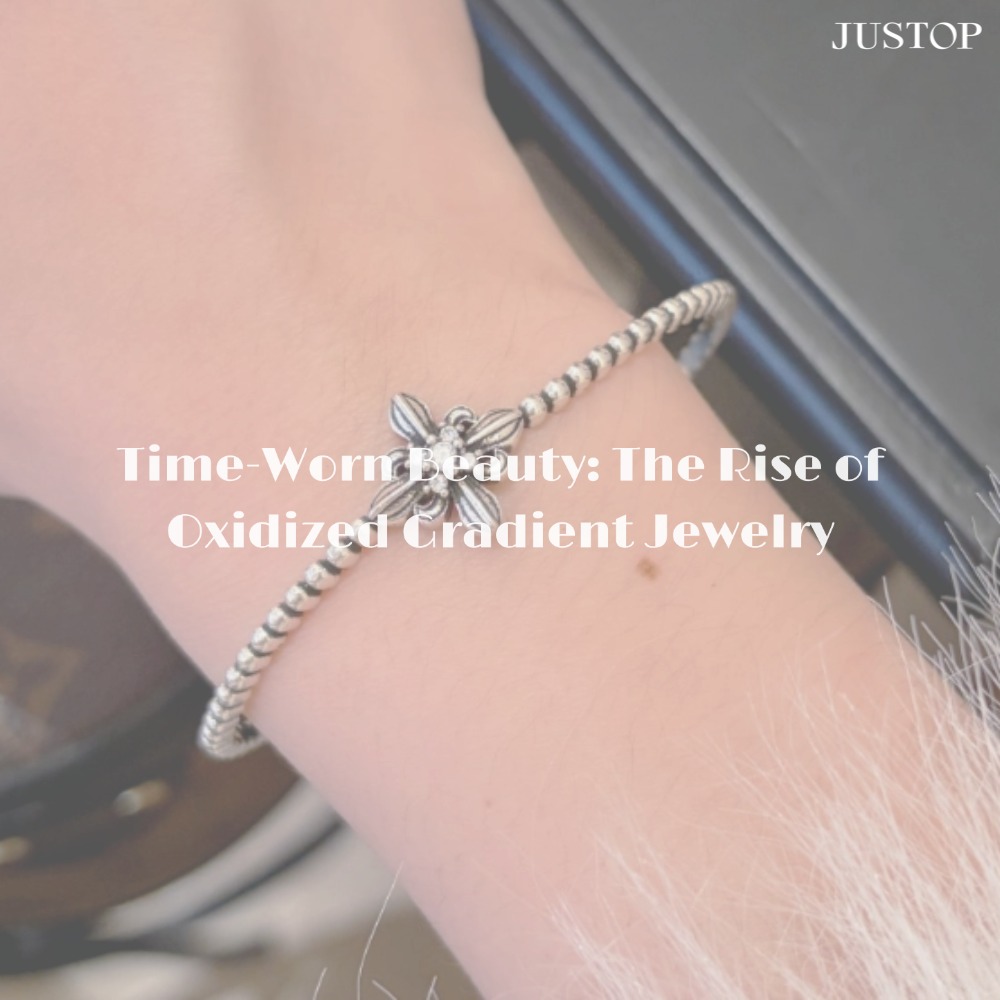
In today’s fashion landscape, perfection is no longer the ultimate goal. Instead, consumers are drawn to authenticity, texture, and narrative. The “Time Marks” oxidized gradient concept reflects this shift — transforming metal surfaces into living stories. More than a finishing technique, it represents a design philosophy that challenges industrial uniformity and embraces emotional depth.
From oxidized jewelry to antique finish jewelry, this aesthetic celebrates patina, contrast, and imperfection as intentional beauty rather than flaw.
Cultural Roots: From Vintage Revival to Wabi-Sabi
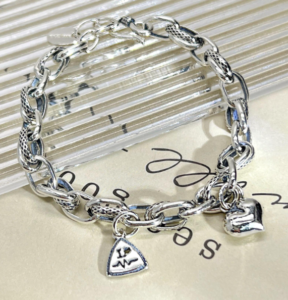
The resurgence of vintage jewelry and antique markets has reshaped contemporary taste. Collectors admire the natural patina, softened edges, and subtle oxidation found on aged silver or brass. These marks are seen as proof of time and individuality. Designers began asking: how can this “earned beauty” be recreated on new pieces?
The answer lies partly in the influence of Japanese Wabi-Sabi, a philosophy that honors impermanence and imperfection. Applied to modern accessories, it encourages the use of controlled oxidation, brushed textures, and tonal irregularities to evoke quiet depth.
At the same time, advances in plating and surface treatment technology have made it possible to transform once-undesirable tarnish into refined design language. Techniques like oxidized silver finish, heat-induced coloration, and selective polishing allow jewelers to balance rawness with precision.
How the Oxidized Gradient Effect Appears in Jewelry
Silver Patina and Dark ContrastIn sterling silver jewelry, recessed areas are intentionally darkened to create depth, while raised surfaces remain polished. This interplay of shadow and shine gives rings, pendants, and chain necklaces a sculptural quality often seen in handmade jewelry and artisan collections.
- Heat-Tone Gradients
On copper or stainless steel, controlled heating produces hues ranging from blue and violet to bronze and gold. These organic transitions resemble fire marks or aurora-like reflections, adding a dramatic yet natural feel.
- Distressed and Brushed Finishes
A brushed metal necklace or distressed ring uses abrasion and polishing to simulate years of wear. Edges may reveal underlying tones, creating the impression of long-term companionship between object and wearer.
- Mixed Metal Jewelry
Combining oxidizing metals like silver or brass with stable materials such as titanium creates visual storytelling. Over time, contrasts intensify — light against dark, new against aged — reinforcing the passage of time.
Brands Embracing the Aesthetic
Several design-driven brands incorporate oxidized and gradient techniques into their collections.
- Sophie Buhai is known for sculptural silver pieces that contrast high polish with oxidized surfaces, creating bold architectural tension.
- Maria Black explores brushed textures and subtle tonal variations inspired by art and architecture.
- Justine Clenquet merges vintage influences with punk energy, often using uneven plating and antique silver effects.
- Even heritage houses like Georg Jensen incorporate matte and oxidized contrasts within their organic silver forms.
A New Mainstream Aesthetic
What began as a niche artistic direction has become a strong current within contemporary fashion accessories. Whether described as artisan silver jewelry, distressed metal jewelry, or modern vintage jewelry, the appeal lies in emotional resonance.
Oxidized gradient design allows jewelry to feel human — imperfect, evolving, and deeply personal. Instead of resisting time, it collaborates with it, turning every surface into a narrative waiting to unfold.