Historical Foundations: From Filigree to Modern Openwork
Pave setting jewelry and openwork jewelry have deep historical roots. Early artisans across Asia and Europe practiced techniques similar to handmade filigree, shaping fine wires into ornate patterns. These early filigree jewelry traditions created the foundation for today’s hollow structures, delicate surfaces, and lace-like metalwork.
This craftsmanship set the stage for the evolution of airy silhouettes and refined openwork forms that continue to influence modern jewelry aesthetics.
Art Nouveau & Art Deco: Defining Eras of Design
The first major stylistic shift emerged during the rise of Art Nouveau jewelry in the late 19th and early 20th centuries. Designers embraced fluid lines and natural motifs—perfect for filigree and hollow metal techniques. Many pieces from this era resemble today’s vintage inspired jewelry.
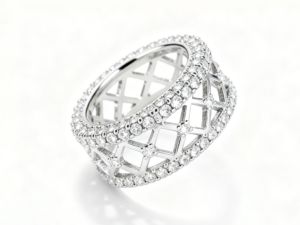
Soon after, the arrival of Art Deco jewelry transformed the landscape again. Strong symmetry, architectural lines, and geometric motifs became iconic. This era popularized CZ micro pave, structured forms, and the aesthetics that underpin modern geometric jewelry.
Together, these eras shaped the visual language that defines many contemporary pave and hollow designs.
Modern Technology: 3D Printing and Contemporary Materials
Today, technological innovation—specifically 3D printed jewelry design—has pushed craftsmanship to a new level. Designers can now create intricate, lightweight structures that were once impossible to hand-carve.
This accessibility has made pave and openwork styles more widely available, especially in fashion categories like gold plated brass jewelry and cubic zirconia jewelry. These materials allow for bold looks such as a hollow gold necklace, pave statement earrings, or a dramatic statement ring design without excessive cost or weight.
While luxury jewelry design still favors precious materials and diamonds, the broader market embraces high-quality alternatives like CZ stones. A diamond pave ring or filigree engagement ring can now be enjoyed at various price points thanks to improved materials and modern jewelry manufacturing processes.
Global Preferences: Different Markets, Different Aesthetics
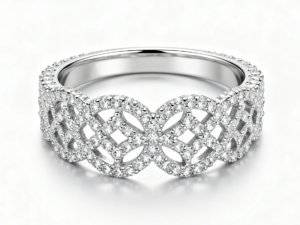
Regional tastes play a significant role in shaping the appeal of pave and openwork pieces.
- European jewelry trends lean toward subtle filigree touches, geometric jewelry, and historically inspired detailing.
- Indian bridal jewelry embraces ornate pavé surfaces, bold patterns, and intricate openwork textures.
- East Asian markets gravitate toward modern minimalist jewelry, preferring lightweight silhouettes and clean micro-pavé sparkle.
A Style Shaped by History, Technology, and Culture
Across cultures, pave and openwork jewelry continue to thrive due to their balance of brilliance, lightness, and artistry. Whether crafted through custom jewelry design or advanced manufacturing, these pieces represent a fusion of history, innovation, and global aesthetic diversity.