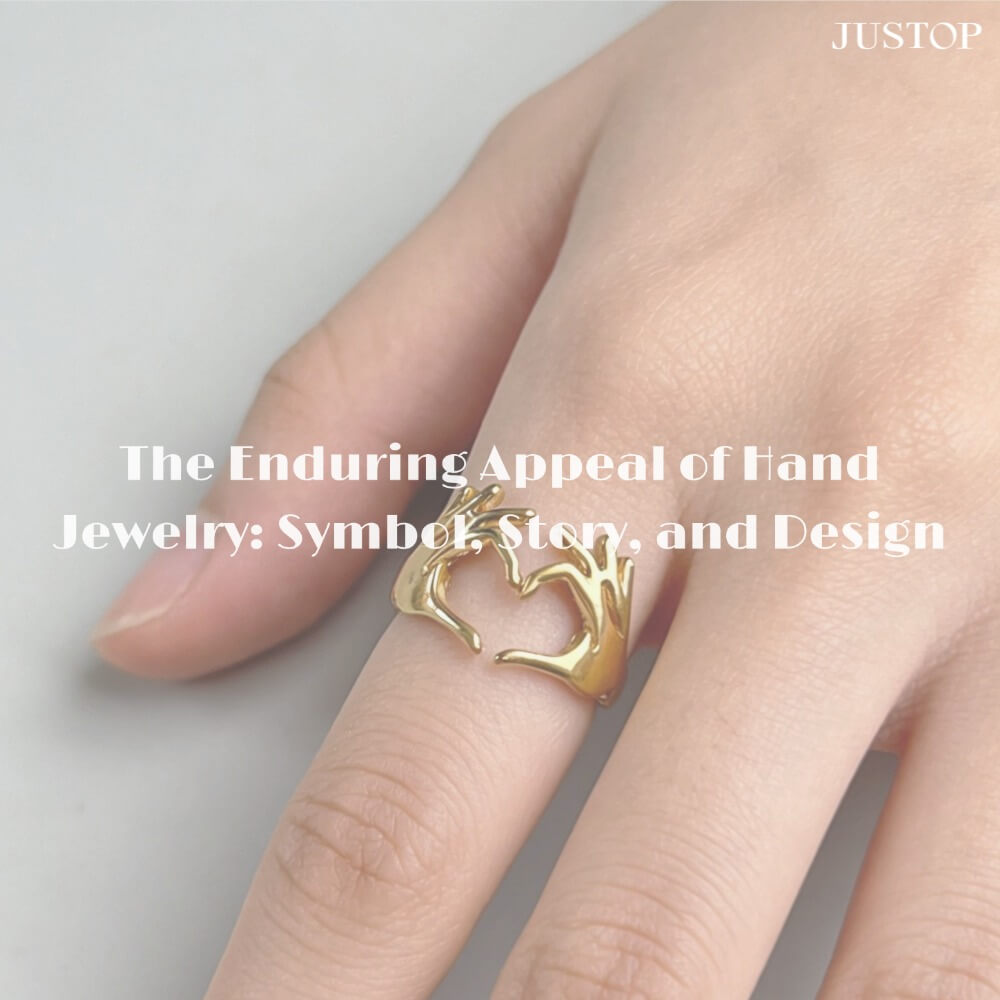
Hand jewelry has remained one of the most expressive categories in the accessories world. More than a decorative form, it carries emotion, belief, and narrative. From ancient protective symbols to modern minimalist outlines, hand shaped jewelry connects deeply with human gestures and shared meanings, making it both commercially reliable and creatively flexible.
Bestselling Hand Jewelry Designs That Never Fade
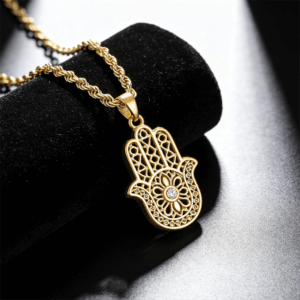
Among all styles, hamsa hand jewelry stands as a long-term bestseller. Known for its protective symbolism, it resonates strongly across Middle Eastern, North African, and Western markets. Variations such as the hamsa pendant or fatima hand necklace, often combined with enamel or an evil eye hand charm, continue to perform well due to their cultural recognition and gift-ready appeal.
Gesture-based designs also drive consistent demand. Pieces like the finger heart necklace or praying hands jewelry translate universal emotions—love, hope, faith—into wearable forms. These designs work especially well as a hand necklace or hand charm, offering a balance between symbolism and minimal visual weight.
Another proven category is relational storytelling. Designs featuring two hands holding or supporting an element adapt easily into hand pendant, hand earrings, or even a sentimental hand brooch, reinforcing their popularity in gift-driven retail.
Victorian and Vintage Influences in Hand Jewelry
For Western and European buyers, historical references elevate perceived value. Victorian hand jewelry and vintage hand pendant styles often feature sculpted cuffs, engraved textures, or hands holding flowers. These designs blend nostalgia with artistry and are frequently adapted into statement hand brooch or collectible pendants.
In darker, more expressive aesthetics, gothic hand jewelry introduces elements such as moons, serpents, or dramatic proportions. These pieces appeal to niche audiences seeking symbolism beyond the mainstream while still fitting into wearable categories like hand sign necklace or hand ring design.
Innovation Through Interactive and Modern Design
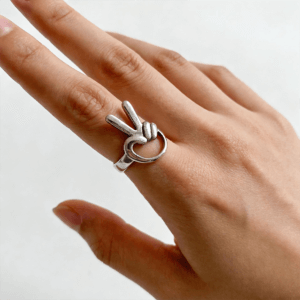
As consumers seek novelty, interactive jewelry brings fresh momentum to hand motifs. Articulated fingers, movable joints, or functional forms transform traditional designs into tactile experiences. These innovations are often applied to modern hand pendant concepts or experimental hand ring design, enhancing both visual interest and user engagement.
Minimalist interpretations also continue to grow. Clean outlines and linear forms redefine the classic hand shaped jewelry, allowing for lightweight layering and daily wear. These designs pair especially well with contemporary hand necklace styling.
Why Hand Jewelry Continues to Thrive
From symbolic protection to emotional gestures, hand jewelry adapts seamlessly across cultures and markets. Whether expressed through a timeless hand charm, a meaningful hand sign necklace, or a bold hand brooch, the hand remains a universal design language—one that blends story, sentiment, and enduring commercial value.