When it comes to jewelry manufacturing and metal finishing, understanding the best plating technique to use is crucial for both aesthetics and functionality. Vacuum plating and water plating are two popular methods, each with its distinct processes and outcomes. This comprehensive guide will delve into the specifics of both techniques, helping you discern which plating method is most suitable for your jewelry needs and why. Let’s explore the key differences and determine which method aligns best with your production goals.
What are vacuum plating and water plating, and how do they differ fundamentally?
Vacuum plating, also known as physical vapor deposition (PVD), involves a process where metals are vaporized in a vacuum environment and then deposited onto the target object. Water plating, commonly referred to as electroplating, utilizes an electrolytic process where metal ions in a water solution are deposited onto the target via an electric current.
Curious to learn more about how each method impacts the durability and appearance of your jewelry? Keep reading as we explore these fascinating techniques in depth.

Understanding Vacuum Plating
Vacuum plating is characterized by its use of a vacuum chamber where metal is vaporized and then condensed onto the substrate. This method is highly valued for its:
- Durability: Coatings are extremely thin yet durable.
- Precision: Allows for uniform coating thickness.
- Environmentally Friendly: Fewer chemicals are used compared to traditional plating methods.
Applications of Vacuum Plating
- Electronics: For creating reflective coatings and barriers.
- Automotive: Used on fixtures and fittings for enhanced durability and shine.
- Jewelry: Provides a hard, durable finish with a high gloss.

Understanding Water Plating
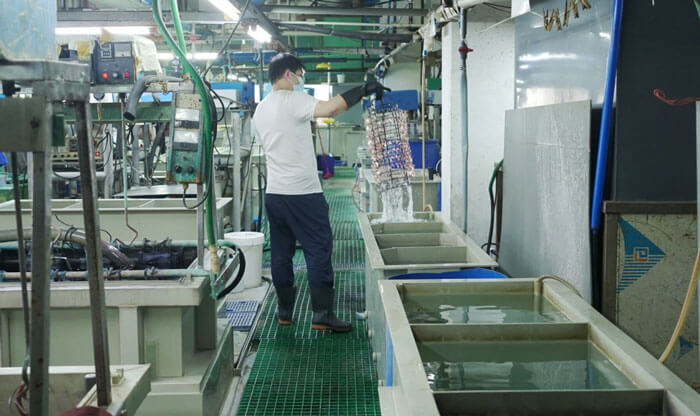
In contrast, water plating or electroplating involves immersing the substrate into a water-based solution containing metal salts. The process includes:
- Versatility: Can plate many types of metals.
- Cost-effectiveness: Generally less expensive than vacuum plating.
- Color Options: Offers a wide range of colors through various metal options.
Applications of Water Plating
- Decorative: Commonly used in jewelry and fashion accessories.
- Protection: Adds corrosion resistance to metal parts.
- Conductivity: Applied in electronics to enhance electrical paths.
Key Differences
- Methodology: Vacuum plating is a dry process under vacuum conditions, while water plating is an aqueous process using an electrolytic cell.
- Environmental Impact: Vacuum plating is considered more eco-friendly due to minimal chemical use and waste production.
- Finish Quality: Vacuum plating generally offers a more durable and higher quality finish.
Frequently Asked Questions
Which plating method is more durable?
Vacuum plating tends to provide a more durable and wear-resistant finish, making it ideal for items requiring long-lasting quality.
Is water plating safe for all types of jewelry?
Water plating is safe for most types, but care should be taken with pieces that are porous or can be damaged by prolonged exposure to moisture.
Can I plate any metal using vacuum (PVD) plating?
While most metals can be vacuum plated, some may require specific conditions or pre-treatments for optimal results.
About Justop Jewelry, we have PVD Plating Department, high quality plating especially for stainless steel material. Waterproof can be acceptable as well.
Caring for Plated Jewelry
To ensure the longevity of your plated jewelry, consider the following tips:
- Regular Cleaning: Use a soft cloth and gentle cleaner suited for the specific type of plating.
- Proper Storage: Keep jewelry in a dry, cool place away from direct sunlight.
- Avoid Chemical Exposure: Contact with harsh chemicals can degrade the plating.
Choosing between vacuum plating and water plating depends on your specific needs, budget, and environmental considerations. Each method offers unique benefits, making them suitable for various applications in jewelry and beyond.
Are you considering plating choices for your upcoming jewelry line? For additional information about our plating services and how we can improve the durability and aesthetic appeal of your products, get in touch with us or visit our website. Get started on the path to beautiful, durable jewelry right now!