Imagine a customer walking into your store, browsing through your collection of necklaces, bracelets, and rings. They pause, admiring the craftsmanship but are faced with a question that could make or break the sale: ‘Should I go for sterling silver or stainless steel?’ As a jewelry business owner, understanding these materials’ differences is critical to guiding your customers and making informed purchasing decisions.
Understanding the Material: Sterling Silver vs Stainless Steel
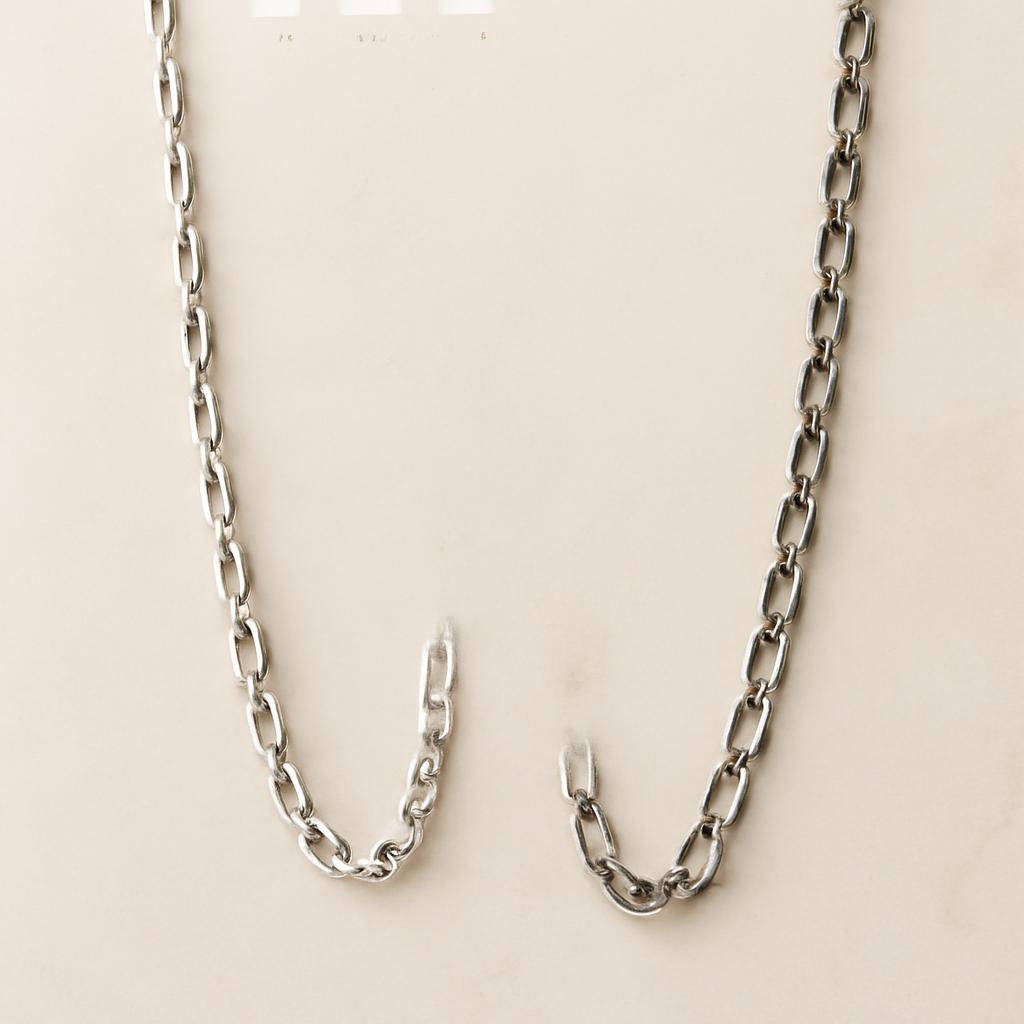
Sterling silver and stainless steel represent two distinct choices in the jewelry industry, each offering unique advantages. Sterling silver, composed of 92.5% pure silver mixed with 7.5% other metals like copper, is renowned for its timeless elegance and luxurious appeal. Conversely, stainless steel—a durable alloy primarily consisting of iron and chromium—boasts exceptional resistance to tarnish and corrosion, making it ideal for everyday wear.
In terms of market trends, sterling silver jewelry accounted for 24% of the global jewelry revenue in 2022, reflecting its enduring popularity (Statista, 2023). On the other hand, stainless steel jewelry is projected to grow at a CAGR of 6.4% from 2023 to 2028 due to its affordability and versatility (Grand View Research, 2024).
Expert Insights: What Industry Leaders Say About Material Choices
‘Choosing between sterling silver and stainless steel ultimately depends on your customer’s lifestyle and preferences,’ says Laura Bennett, a certified gemologist with over 15 years in the industry. ‘Sterling silver appeals to those seeking sophistication, while stainless steel serves practical needs like durability and affordability.’
Consider these comparative statistics:
- Durability: Stainless steel is 5 times harder than sterling silver, making it less prone to scratches.
- Maintenance: Sterling silver requires regular polishing to prevent tarnish, whereas stainless steel demands minimal upkeep.
- Price: Stainless steel chains are generally 40-50% cheaper than sterling silver chains of similar design.
For jewelry businesses, offering both materials caters to diverse customer bases. For instance, stainless steel chains are perfect for active, outdoorsy individuals, while sterling silver suits formal and luxury-oriented buyers.
Industry Standards and Best Practices
Adhering to recognized certifications like GIA for sterling silver and RJC standards for ethical sourcing can enhance your brand’s credibility. Beyond certifications, businesses should educate customers on the eco-friendly aspects of these materials. Stainless steel, being recyclable, is a more sustainable option, while sterling silver’s craftsmanship remains unmatched in artisanal quality.
Additionally, ensure product transparency. Using clear labels like ‘925 Sterling Silver’ or ‘316L Stainless Steel’ prevents confusion and builds trust among buyers.
Implementation Guide: Choosing Chains That Sell
To optimize your inventory, consider these steps:
- Analyze your target audience: Millennials may prefer stainless steel’s affordability, while Gen X leans toward sterling silver’s classic appeal.
- Offer customization: Partnering with manufacturers like Justop, known for their 1000+ proven designs, allows you to add unique engravings or pendants to your chains.
- Track customer trends: Heavy-duty stainless steel chains are gaining traction among men for their rugged look, while delicate sterling silver chains with pendants appeal to women.
Success metrics include customer retention rates, sales volume, and feedback on material quality. For example, businesses offering stainless steel chains alongside sterling silver witnessed a 20% increase in repeat purchases (McKinsey, 2023).
Future Outlook: Strategic Recommendations for Jewelry Businesses
With stainless steel jewelry expected to dominate casual and affordable segments, businesses should focus on offering mixed-metal collections. Sterling silver remains indispensable for luxury items. Market projections indicate a 15% rise in demand for customizable stainless steel chains by 2025 (De Beers, 2024).
Leverage partnerships with trusted manufacturers like Justop to access factory-direct pricing and ethical sourcing. Diversifying your offerings ensures you stay ahead in an evolving market.
In the end, success lies in balancing quality, affordability, and style while keeping customer preferences at the forefront.
Frequently Asked Questions
Does stainless steel silver last?
Yes, stainless steel is highly durable and resistant to tarnish or corrosion. Unlike sterling silver, which can oxidize over time, stainless steel retains its shine even with minimal maintenance. This makes it an excellent choice for everyday jewelry, especially for customers who prefer hassle-free care.
Are stainless steel chains better than sterling silver?
It depends on the use case. Stainless steel chains excel in durability and affordability, making them ideal for casual wear. Sterling silver chains, on the other hand, offer a more refined and luxurious aesthetic, suitable for formal occasions. Businesses should stock both to cater to diverse customer preferences.
How to tell if your chain is stainless steel or silver?
Examine the markings on the chain. Sterling silver typically carries a ‘925’ stamp, indicating its composition of 92.5% silver. Stainless steel chains may have ‘316L’ or ‘304’ stamps. Additionally, sterling silver feels softer and heavier compared to stainless steel.
Are stainless steel chains okay to wear?
Absolutely. Stainless steel chains are hypoallergenic and suitable for sensitive skin. They are also resistant to rust, tarnish, and scratches, making them ideal for active lifestyles. Jewelry businesses should highlight these features to attract customers seeking durable and skin-friendly options.
Which is better: sterling silver or stainless steel?
Each material has its strengths. Sterling silver is better for luxury and formal occasions, while stainless steel excels in durability and affordability. Offering both options allows customers to choose based on their style, budget, and lifestyle needs.
Disadvantages of stainless steel jewelry?
While stainless steel is highly durable, it lacks the premium aesthetic of sterling silver. Additionally, it cannot be resized or repaired as easily as sterling silver. Businesses should educate customers on these limitations while emphasizing stainless steel’s affordability and resilience.