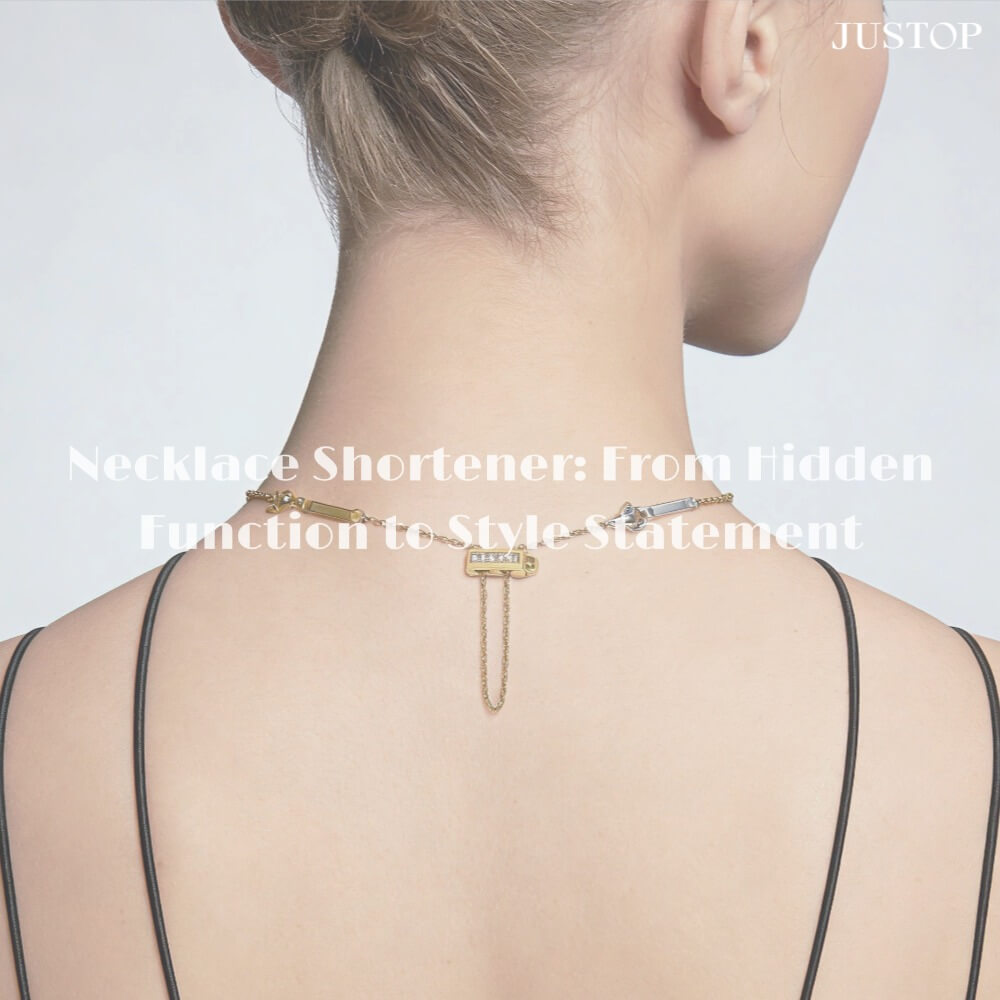
Today, the necklace shortener is widely recognized as a versatile fashion accessory—but its story began long before it entered mainstream style culture. What was once a discreet functional component in fine jewelry has evolved into a key element of modern necklace styling.
Early Origins: Function Over Fashion
In the early 20th century and even earlier, perfect fit was essential in high jewelry and bespoke pieces. Necklaces were designed to sit precisely on the collarbone or neckline, especially when paired with formal garments. To achieve this, jewelers introduced what we now call the necklace length adjuster—a small, delicate chain hidden near the clasp.
This early adjustable necklace chain typically featured multiple rings or attachment points, allowing wearers to shorten the necklace by a few centimeters. At the time, this chain shortener necklace was purely practical, invisible during wear, and reserved for luxury clients rather than mass consumers.
The Rise of the Necklace Shortener as an Accessory
The transformation began in the mid-to-late 2010s and gained momentum throughout the 2020s. The most powerful driver was the rise of the layered necklace chain trend. As layering multiple necklaces of different lengths became a signature look, wearers needed a way to control spacing, avoid tangling, and create intentional depth.
A necklace clasp extender or necklace back chain offered a simple solution—allowing one necklace to sit higher while others draped naturally below. At the same time, the growing DIY and personalization movement encouraged consumers to rework existing jewelry. Learning how to shorten a necklace without permanent alteration made the necklace shortener indispensable.
Social platforms like Instagram and Pinterest amplified this shift. Styling tips featuring gold necklace shortener pieces, decorative back chains, and visible connectors turned the once-hidden element into a focal point.
Vintage Influence and Decorative Appeal
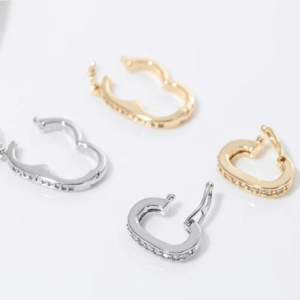
Another reason for its lasting popularity is its connection to heritage aesthetics. Shortening a necklace at the back creates a silhouette reminiscent of Victorian-era jewelry, fueling renewed interest in the vintage necklace chain look.
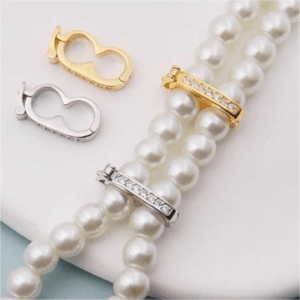
Designers embraced this by adding pearls, charms, and gemstones. A pearl necklace shortener, for example, functions both as a length adjuster and as a refined decorative accent, elegant enough to be worn on its own.
Modern Designs and Styling Applications
Today’s necklace shortener gold styles range from minimalist chains to bold statement pieces. Their uses are clearly defined:
- Adjusting fixed-length necklaces that are too long
- Creating balanced, intentional layers with multiple necklaces
- Serving as a visible, eye-catching detail at the back of the neck
No longer just a tool, the necklace shortener has become a symbol of thoughtful styling—where functionality and aesthetics meet.