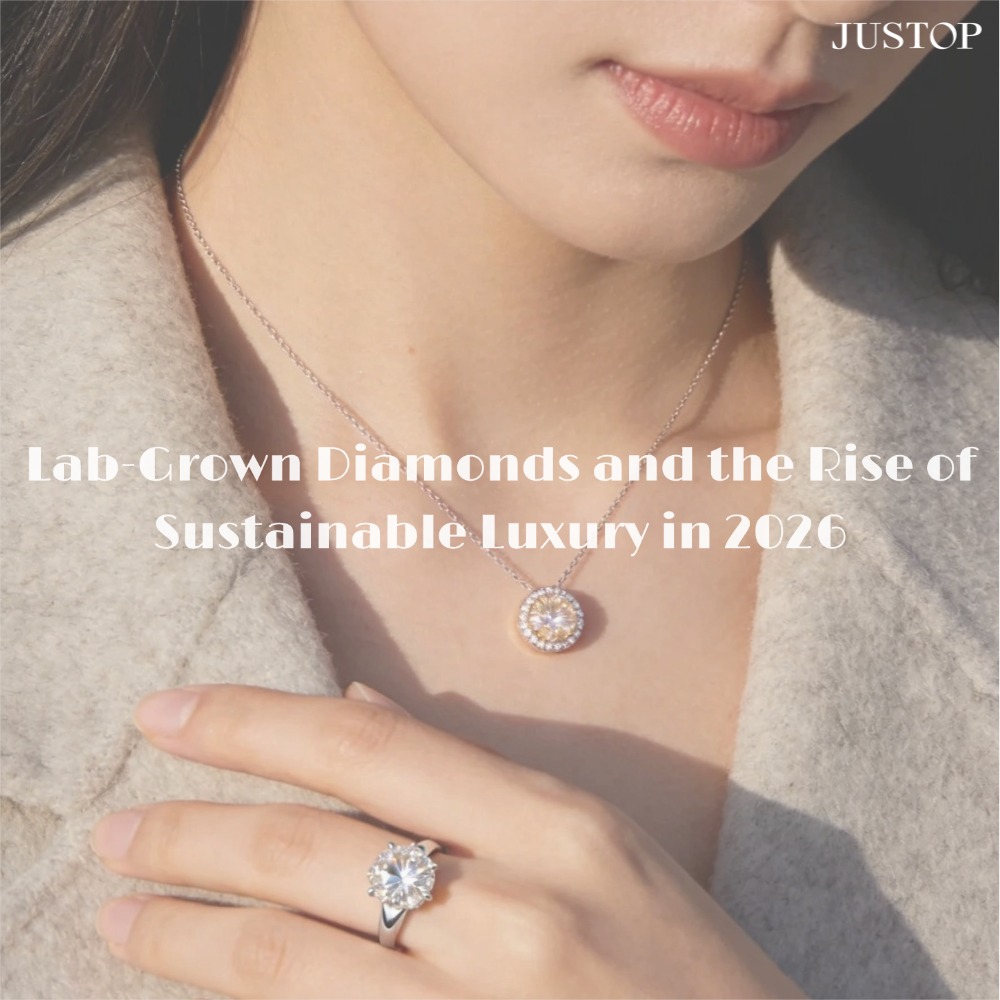
By 2026, lab-grown diamonds have moved decisively from the margins to the center of the global jewelry industry. Chemically, physically, and optically identical to mined diamonds, lab created diamonds offer a compelling alternative: lower environmental impact, transparent sourcing, and significantly more accessible pricing. This has reshaped consumer expectations, giving rise to a new paradigm known as sustainable luxury jewelry—where beauty, ethics, and innovation coexist.
From Scientific Theory to Commercial Reality
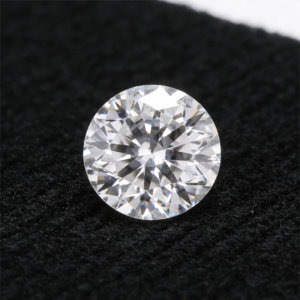
Lab-grown diamonds exist because science learned to replicate nature. Using High Pressure High Temperature (HPHT) and Chemical Vapor Deposition (CVD) technologies, manufacturers recreate the conditions under which diamonds form deep within the Earth—compressing billions of years into weeks.
This scientific breakthrough allows consumers to purchase larger, higher-clarity lab grown diamond rings and earrings at a fraction of the cost of natural stones. It also enables advanced experimentation, including colored diamonds and unconventional cuts that were once prohibitively rare or expensive.
Industry Recognition and Market Validation
The legitimacy of lab-grown diamonds is no longer debated—it is institutionally recognized. In 2018, the U.S. Federal Trade Commission officially updated its diamond guidelines, approving the term “lab-grown” and placing these stones on equal legal footing with mined diamonds.
Leading gemological authorities such as GIA and IGI now grade lab-grown diamonds using the same standards applied to natural stones. Meanwhile, major industry players have embraced the shift. The launch of Lightbox Jewelry by De Beers marked a turning point, signaling mainstream acceptance.
Consumer Demand and the New Jewelry Aesthetic
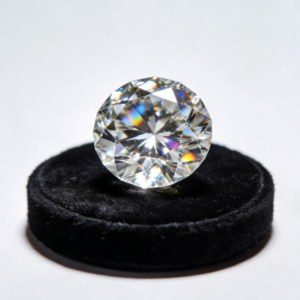
Search trends show consistent global growth in keywords like lab grown diamond engagement rings, ethical diamond jewelry, and eco friendly fine jewelry. In the U.S. bridal market alone, lab-grown diamonds account for more than half of all engagement ring sales.
Design-wise, affordability has unleashed creativity. Maximalist statement necklaces, pavé-set chandelier earrings, and 20–50 carat center stones are no longer fantasy pieces. Brands such as Pandora have embraced bold lab-grown diamond collections, while designers experiment with asymmetry, stacking rings, and convertible jewelry.
Colored lab-grown diamonds—pink, blue, yellow, and green—are another major growth driver, offering luxury aesthetics at 10–20% of the price of natural fancy diamonds.
Celebrity Influence and Cultural Momentum
Celebrities have accelerated adoption. Billie Eilish has openly advocated for lab-grown diamonds in sustainable collections, reinforcing their cultural credibility. These endorsements resonate strongly with Gen Z and Millennial consumers, for whom ethics are inseparable from style.
An Irreversible Shift
Lab-grown diamonds represent more than a technological innovation—they reflect a shift in values. As consumers increasingly prioritize sustainability, transparency, and intelligent consumption, lab grown diamond jewelry offers a future-proof form of luxury: brilliant, responsible, and uncompromising.
In 2026 and beyond, sustainable luxury is no longer an option—it is the standard.