Did you know that the global jewelry market is projected to reach a staggering $500 billion by 2030, driven by increased consumer demand for unique, high-quality designs? (Statista, 2023) For professional jewelers, designers, and retailers, sourcing materials efficiently and affordably has never been more critical. This is where jewellery bulk wholesale suppliers play a pivotal role in ensuring your business stays competitive.
Understanding the Jewellery Bulk Wholesale Landscape
With the jewelry supply chain becoming increasingly complex, wholesale suppliers serve as the backbone for businesses seeking a wide range of materials, from precious metals to intricate findings. A 2024 report by Grand View Research highlights that over 70% of jewelry businesses rely on bulk wholesale suppliers to streamline their operations and reduce material costs. These suppliers not only provide cost efficiencies but also offer access to exclusive designs and high-quality craftsmanship.
For instance, Justop stands out with its GIA-certified gemologists, offering over 1,000 proven jewelry designs and customizable MOQ options. Whether you’re sourcing sterling silver chains or gold-plated beads, partnering with a reliable wholesale supplier ensures you achieve consistency in quality and design.
Expert Tips for Maximizing Wholesale Jewelry Partnerships
“The key to a successful wholesale partnership lies in transparency and alignment,” says Amanda Lee, a gemologist and jewelry market analyst with over 15 years of experience. “Look for suppliers that provide detailed product specifications, certifications, and flexible order options to meet your unique needs.”
Here are some strategies to ensure you get the most out of your wholesale sourcing:
- Verify Certifications: Always ensure the supplier adheres to industry standards, such as GIA or RJC certifications.
- Leverage Volume Discounts: Many wholesalers offer significant savings for bulk orders. For example, Justop provides factory-direct pricing for orders exceeding a certain threshold.
- Stay Updated: Subscribe to industry reports and supplier newsletters to stay informed about market trends and new product launches.
According to McKinsey’s 2023 jewelry trend analysis, businesses that strategically partner with wholesale suppliers report a 25% higher profit margin compared to those sourcing materials independently.
Adhering to Industry Standards and Best Practices
When sourcing jewelry components, aligning with industry standards is non-negotiable. The FTC Jewelry Guides, for instance, provide detailed guidelines on metal quality and labeling to ensure consumer trust and compliance. Similarly, certifications from organizations like GIA (Gemological Institute of America) and RJC (Responsible Jewellery Council) are essential markers of authenticity and ethical sourcing.
Suppliers like Justop not only comply with these standards but also offer detailed documentation for every product, ensuring transparency and quality assurance. This level of compliance is particularly crucial when dealing with high-value items like gold findings or diamond-encrusted chains.
Implementation Strategies for Growing Your Jewelry Business
Expanding your jewelry line with bulk wholesale purchases requires careful planning and execution. Here are actionable steps to get started:
- Conduct Market Research: Identify trending designs and materials in your target market.
- Build Supplier Relationships: Work with trusted suppliers like Justop, who offer both quality and flexibility.
- Track Metrics: Use KPIs like cost per item, sell-through rate, and profit margins to evaluate the success of your sourcing strategy.
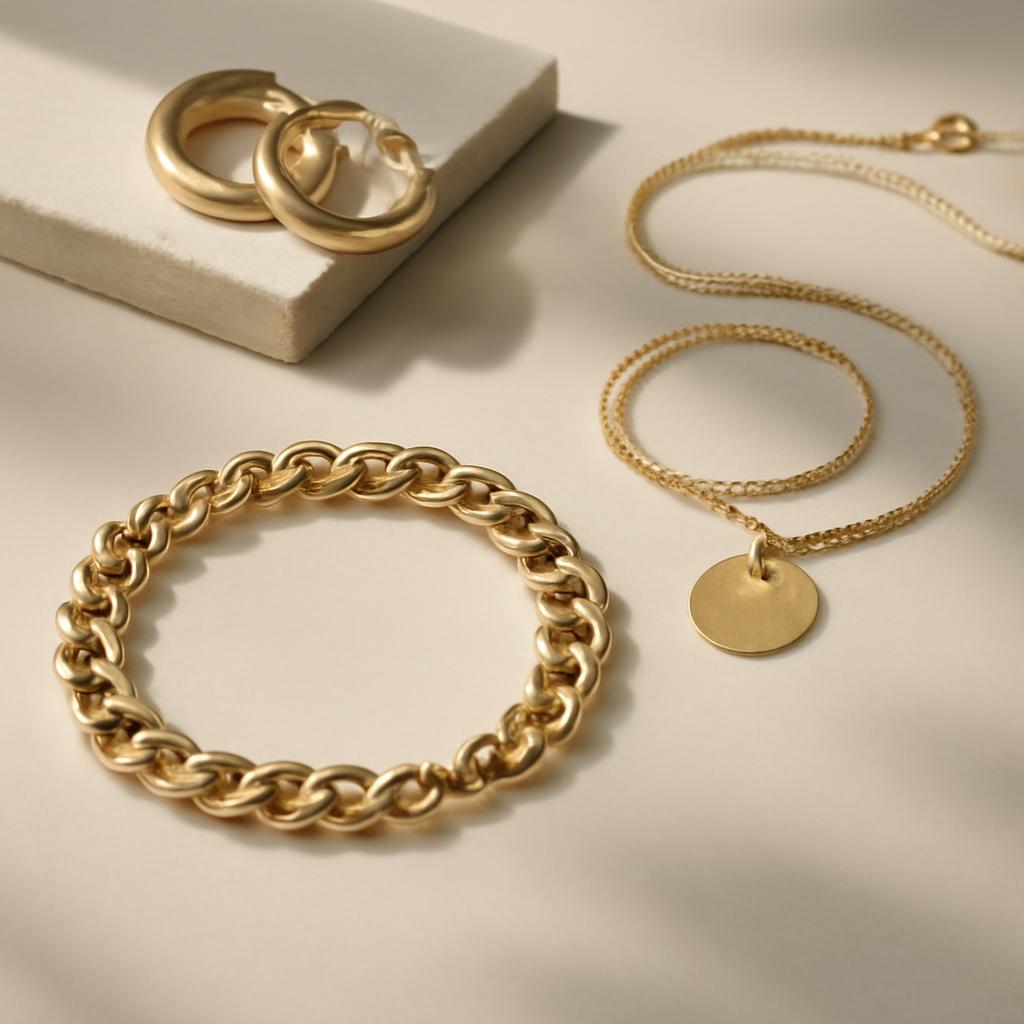
For example, a jewelry retailer in California reported a 40% increase in sales after switching to a bulk wholesale supplier that provided customizable gold-plated chains and findings, reducing their material costs by 30%.
The Future of Jewellery Bulk Wholesale: Trends to Watch
The jewelry industry is evolving rapidly, with sustainability and innovation at its core. A report by De Beers predicts that by 2026, over 60% of consumers will prioritize ethically sourced materials when purchasing jewelry. This trend underscores the importance of partnering with suppliers who value sustainability and transparency.
To stay ahead, consider exploring offerings like lab-grown diamonds and recycled metals, which are gaining traction among eco-conscious customers. Suppliers like Justop are already leading the way, combining innovative designs with ethical sourcing practices. Ready to elevate your jewelry business? Partner with industry leaders who prioritize quality, ethics, and affordability.