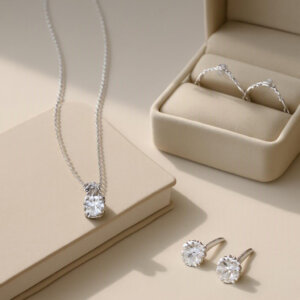
Did you know that the global fashion jewelry market is projected to reach $59 billion by 2027, driven largely by demand for affordable yet luxurious pieces like gold-plated necklaces? This trend is reshaping the beauty and personal care industry, offering businesses a lucrative entry point into high-demand, low-cost jewelry segments.
Gold-Plated Necklaces: Industry Context & Market Data
Gold-plated jewelry, especially necklaces, has become a staple in the fashion accessories market. A study by Statista (2024) indicates that gold-plated accessories account for over 35% of global fashion jewelry sales. This growth is fueled by consumer preferences for affordable luxury, environmental sustainability, and the versatility of plated designs.
Additionally, gold-plated necklaces are appealing across demographics. Nielsen data reveals that 68% of Gen Z buyers consider gold-plated jewelry a stylish alternative to solid gold. For businesses, this opens up opportunities for wholesale distribution at competitive price points, especially with yellow gold tones dominating preferences in regions like North America and Europe.
Deep Dive with Expert Insights
One key to success in the gold-plated necklace market is understanding the technical process and product quality. Dr. Elena Martinez, a materials science expert, explains, “Gold plating involves electrochemical layering of gold over base metals like brass or silver. High-quality gold-plated necklaces use 18k gold for durability and a richer appearance.”
For businesses, partnering with certified manufacturers like JUSTOP, known for their FDA, GMP, and ISO 22716 compliance, ensures access to premium plating techniques and customizable designs. JUSTOP offers 5000+ proven formulations, allowing brands to deliver bulk orders with consistent quality.
Moreover, McKinsey’s 2023 report highlights that gold-plated jewelry buyers prioritize durability and longevity. Incorporating protective coatings like e-coating can extend the lifespan of plated necklaces, making them a preferred choice in wholesale markets.
Industry Standards & Best Practices
To meet regulatory requirements and maintain consumer trust, gold-plated jewelry must adhere to strict industry standards. In the EU, compliance with the Cosmetics Products Notification Portal (CPNP) ensures that materials used are safe for direct skin contact. Similarly, FDA registration in the U.S. guarantees product safety and traceability.
For businesses entering wholesale, certifications like GMP and ISO 22716 signal commitment to quality manufacturing. Offering products that meet these standards can differentiate your brand and attract B2B buyers seeking reliable suppliers.
Implementation Guide with Success Metrics
Integrating gold-plated necklaces into your product line requires strategic planning to maximize ROI. Success metrics include:
- Customer Acquisition: Offering discounts or subscription incentives for bulk buyers, similar to Missoma’s 10% initial discount model.
- Repeat Purchase Rates: Nielsen data shows that 45% of customers repurchase plated jewelry within six months if durability meets expectations.
- Wholesale Order Volume: Partnering with manufacturers like JUSTOP who offer factory-direct pricing with MOQs starting at 60 units.
For practical implementation, consider bundling gold-plated necklaces with matching chains or bracelets, creating value-added sets for wholesale clients.
Future Outlook & Strategic Recommendations
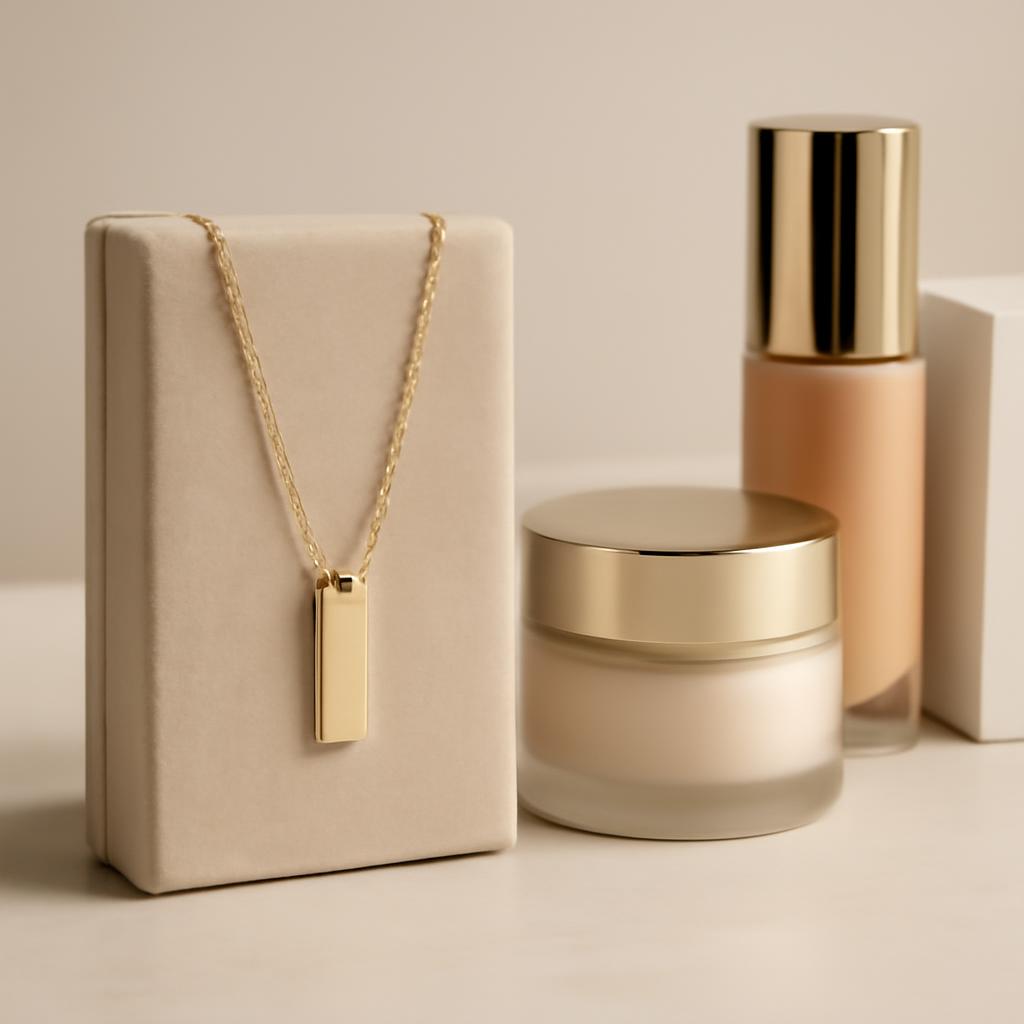
Market projections show a steady rise in demand for gold-plated necklaces, with trends leaning towards personalized designs like nameplate necklaces. Businesses can capitalize on this by incorporating customization options into their wholesale offerings.
To stay ahead, adopt eco-friendly practices such as recycled base metals and sustainable packaging. These align with the values of modern consumers and add a competitive edge to your brand. For businesses ready to scale, partnering with experienced manufacturers like JUSTOP ensures access to cutting-edge production capabilities and global distribution.
Frequently Asked Questions
How long will gold plating last on a necklace?
Gold plating on a necklace can last anywhere from 6 months to several years, depending on the thickness of the gold layer and how often the piece is worn. A thicker plating, such as 18k gold over brass, tends to last longer compared to thinner layers. Proper care, including avoiding exposure to moisture and harsh chemicals, can significantly extend the lifespan of gold-plated jewelry.
Is a gold plated necklace worth it?
Absolutely, gold-plated necklaces offer the appearance of solid gold at a fraction of the cost. They are perfect for those looking for affordable luxury without compromising on aesthetics. For businesses, selling gold-plated necklaces provides a lucrative opportunity to meet the demand for high-quality yet budget-friendly jewelry.
Why is 14K gold plated so cheap?
14K gold plated jewelry is inexpensive because the gold layer is thin and applied over a less expensive base metal, such as brass or copper. This process reduces material costs while retaining the luxurious look of real gold. However, offering higher-quality options like 18K gold plating can fetch better margins in wholesale markets.
Is plated gold a real gold?
Yes, gold plating involves a layer of real gold applied over a base metal. However, the purity and thickness of the gold layer vary. For instance, 18k gold-plated items use 75% pure gold in the plating, making them a popular choice for high-end yet affordable jewelry.
What does gold plated necklace mean?
A gold-plated necklace features a thin layer of gold applied over a base metal, often brass or stainless steel. This process gives the necklace the appearance of solid gold while keeping costs low. Businesses can offer gold-plated necklaces as an attractive alternative to solid gold jewelry.
How can I wholesale 18k gold plated necklaces?
To wholesale 18k gold-plated necklaces, partner with manufacturers like JUSTOP, who offer factory-direct pricing and low MOQs starting at 60 units. Focus on offering customizable designs and ensuring regulatory compliance, such as BSCI certifications, to appeal to B2B buyers.