Did you know that the global fashion jewelry market, which includes gold-plated items, is projected to reach $59.7 billion by 2029 (Grand View Research, 2023)? The rising demand for affordable luxury has positioned gold-plated jewelry as a lucrative segment for wholesalers and retailers alike.
Gold-Plated Jewelry Wholesale: Market Context and Trends
The wholesale jewelry market has witnessed a significant shift in consumer preferences over the past decade. Gold-plated jewelry, particularly those crafted from .925 sterling silver, has surged in popularity due to its affordability and premium appearance. Industry data from McKinsey reveals that gold-plated jewelry constitutes 30% of the mid-range jewelry market, appealing to both budget-conscious buyers and style-driven millennials. Furthermore, regions such as the USA, Brazil, and Dubai are emerging as hotspots for wholesale gold-plated jewelry demand.
For wholesalers, understanding regional trends is key. For instance:
- USA: Minimalist designs with gold-filled options dominate.
- Brazil: Bold, colorful gold-plated pieces stand out.
- Dubai: Intricate, ornate gold-plated designs are favored.
Expert Insights into Wholesale Gold-Plated Jewelry
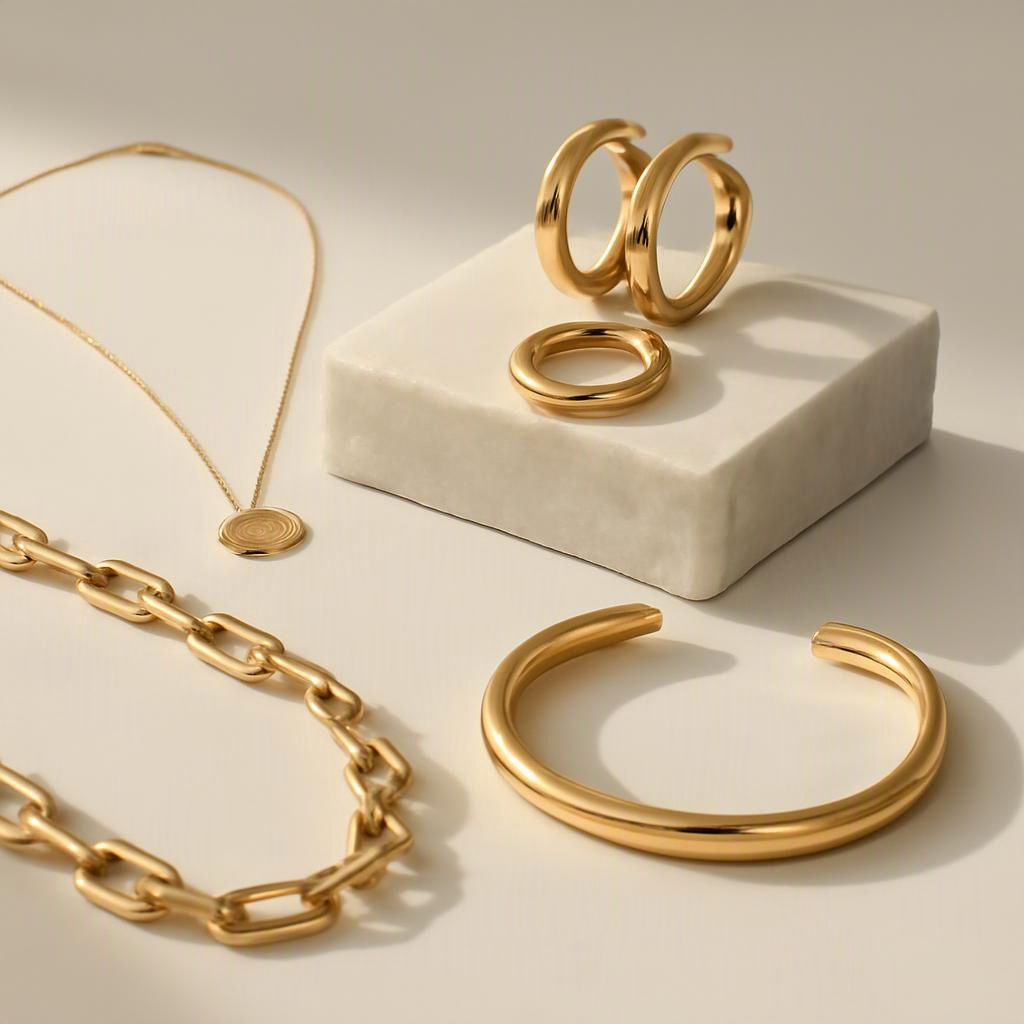
“Wholesalers who focus on quality craftsmanship and contemporary designs will find it easier to penetrate competitive markets,” notes Mia Bella, a jewelry market analyst. She emphasizes that gold-plated .925 sterling silver pieces offer a perfect balance of durability and elegance, making them ideal for bulk buying.
Statista highlights that gold-plated jewelry sales grew by 18% in 2022 alone, showcasing robust consumer demand. Additionally, anti-tarnish coatings are increasingly sought after to maintain long-lasting shine—a feature wholesalers should prioritize.
Key considerations for wholesalers:
- Source from suppliers offering certifications like GIA or RJC to assure product quality.
- Stay updated on trending designs, such as layering necklaces and chunky bracelets.
- Collaborate with manufacturers like Justop, known for customizable MOQs and factory-direct pricing.
Industry Standards and Best Practices for Wholesaling Gold-Plated Jewelry
Following industry standards is critical. The FTC Jewelry Guides mandate clear labeling for gold-plated products, ensuring transparency for retailers and end consumers. Additionally, certifications like GIA and RJC provide assurance of ethical sourcing and craftsmanship.
When selecting gold-plated jewelry for wholesale, consider:
- Base Material: Opt for .925 sterling silver for quality and durability.
- Plating Thickness: Look for pieces with a minimum of 0.5 microns for lasting wear.
- Color Variations: Rose gold and yellow gold plating are trending globally.
Partnering with manufacturers like Justop, who offer over 1,000 proven designs and GIA-certified quality control, ensures your wholesale inventory meets industry benchmarks.
Implementation Strategies: Building Your Gold-Plated Jewelry Portfolio
Success in gold-plated jewelry wholesale requires strategic planning. A study by Grand View Research highlights that wholesalers with diverse catalogs achieve 25% higher sales. To maximize profitability, consider:
- Diversify: Include rings, earrings, necklaces, and bracelets in popular designs.
- Target Market: Tailor collections to specific demographics, such as women in the USA or men in the Middle Eastern market.
- Marketing: Use social media platforms like Instagram to showcase unique pieces.
For businesses ready to scale, partnering with experienced manufacturers like Justop can provide ethical sourcing, competitive pricing, and high-quality craftsmanship.
Future Outlook and Strategic Recommendations
Projections by De Beers indicate that demand for gold-plated jewelry will grow by an average of 7% annually through 2028. Wholesalers should focus on emerging trends like sustainable and hypoallergenic gold-plated options to capture evolving consumer interest.
Looking ahead, investing in advanced inventory management systems and forging long-term partnerships with reliable suppliers like Justop will position wholesalers for sustained growth.
Frequently Asked Questions
Where can I buy gold plated jewelry online?
Gold-plated jewelry can be purchased online from reputable wholesale platforms like Justop, which offers factory-direct pricing and customizable MOQs. Additionally, marketplaces such as Alibaba and Faire provide diverse options. Ensure the supplier adheres to industry standards like FTC labeling and RJC certification to guarantee quality.
Is gold plated jewelry good quality?
Gold-plated jewelry offers a premium look at a fraction of the cost of solid gold. Quality depends on factors such as the thickness of the plating and the base material used. Pieces made from .925 sterling silver with anti-tarnish coatings are particularly durable and maintain their luster over time.
Is buying wholesale jewelry profitable?
Yes, buying wholesale jewelry can be highly profitable when done strategically. Bulk purchasing reduces costs, allowing for higher margins. Focus on trending designs, popular materials like gold-plated .925 sterling silver, and reliable suppliers like Justop to maximize profitability.
Where can I buy gold filled jewelry wholesale?
Gold-filled jewelry can be sourced from specialized wholesalers, including Justop. Unlike gold-plated options, gold-filled jewelry contains a thicker layer of gold, making it more durable and valuable. Look for suppliers offering certifications and customizable designs to meet market demand.
What is the difference between gold-plated and gold-filled jewelry?
Gold-plated jewelry has a thin layer of gold over a base metal, while gold-filled jewelry uses a thicker gold layer bonded to the base. Gold-filled pieces are more durable and have a higher gold content, making them a premium option for wholesalers targeting upscale customers.
How can I start a wholesale jewelry business?
Starting a wholesale jewelry business involves sourcing quality products from reliable manufacturers like Justop, building a diverse inventory, and identifying target markets. Leverage platforms like Instagram and TikTok for marketing, set competitive pricing, and focus on customer service to build long-term relationships.