A Shift Beyond “Cheap Manufacturing”
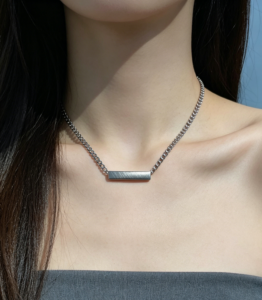
For over a decade, many businesses in jewelry manufacturing China have faced the same frustration: producing for global brands at low margins while competing mainly on price. A titanium necklace made in China might sell for $30, while similar pieces from high end jewelry brands retail for ten times more. The gap has never been about capability—it has been about perception.
That perception is now starting to change.
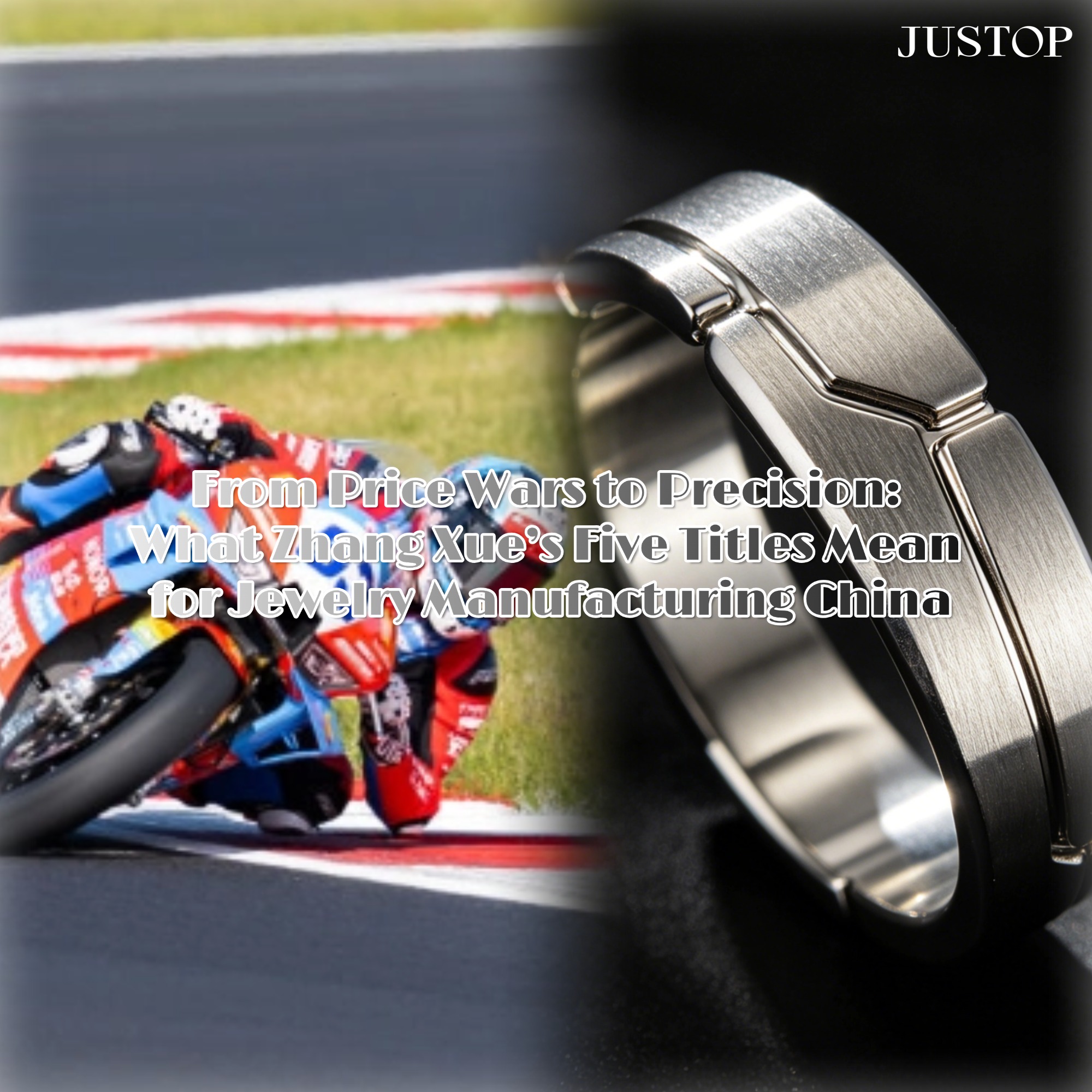
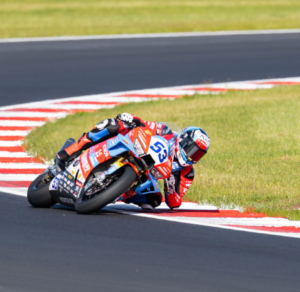
When Zhang Xue secured five victories in the WorldSBK season, defeating established names like Ducati and Yamaha, it wasn’t just a motorsport achievement. It was a signal. A Chinese engineering team, with 97% localized production—from engine to electronics—proved it could compete at the highest level through technology and precision, not price.
Material Innovation Reaches Jewelry
One of the most immediate impacts is on materials. Technologies developed for racing—such as titanium alloy jewelry and carbon fiber jewelry applications—are becoming more accessible. As production scales and processes mature, these once high-cost materials are entering mainstream accessory design.
For a modern fashion jewelry supplier, this opens new possibilities: offering lightweight, durable, and premium-feeling products using hypoallergenic jewelry materials that appeal to increasingly quality-conscious consumers.
Precision Becomes a Selling Point
Racing demands extreme accuracy, and that mindset is spilling into manufacturing. Concepts like micro precision manufacturing and tolerance in manufacturing are no longer limited to industrial sectors.
In jewelry, this translates into cleaner stone settings, smoother finishes, and more consistent product quality. Advanced processes such as laser cutting jewelry and high precision engineering are gradually becoming industry expectations rather than premium upgrades.
Buyers are also changing. Instead of only asking about price, more clients now ask about jewelry quality standards—a clear sign that the market is evolving.
Supply Chain Transparency Gains Value
Another shift lies in the supply chain. Companies once operating behind the scenes are gaining recognition for their technical expertise. For wholesale jewelry suppliers, this creates an opportunity to differentiate.
Instead of generic claims, manufacturers can now highlight their sourcing: whether they are a stainless steel jewelry manufacturer with advanced polishing capabilities or a titanium jewelry supplier using aerospace-grade inputs. Transparency builds trust—and trust supports higher pricing.
Rebuilding the Meaning of Made in China Quality
Perhaps the most profound change is in branding. “Cheap” is no longer the default association. International buyers are beginning to connect Made in China quality with innovation and reliability.
Some overseas clients, particularly in Europe, now reference achievements like Zhang Xue’s victories as proof that Chinese manufacturing can meet world-class standards. This shift creates space for businesses engaged in custom jewelry production to reposition themselves—not as low-cost alternatives, but as capable partners in premium design and manufacturing.
The Road Forward
Zhang Xue’s five titles represent more than trophies. They highlight a path forward: competing through technology, consistency, and precision rather than price alone.
For the jewelry industry, the lesson is clear. Whether producing simple chains or advanced material designs, the future lies in upgrading capabilities, telling better stories, and embracing a higher standard.
Progress may be gradual, but with the right direction, the results can be just as powerful.