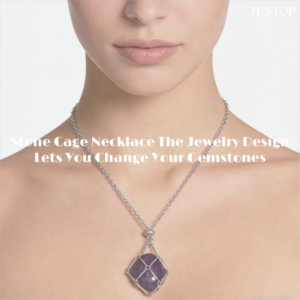

In the world of fashion jewelry, functionality is often overshadowed by visual appeal. Yet, one subtle but crucial detail—anti-flip pendant design—plays a significant role in how a necklace performs in daily wear. Whether it’s a high-end gemstone piece or an everyday essential, the ability of a pendant to stay front-facing can greatly affect user satisfaction.
Why Anti-Flip Design Matters
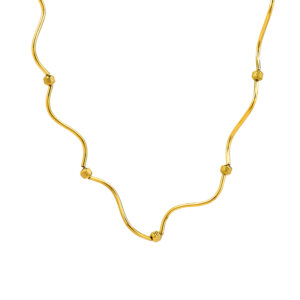
A pendant that constantly flips over, exposing the plain backside, disrupts both comfort and aesthetics. This is especially frustrating in asymmetric or single-sided designs, where orientation is key to visual impact. For high-value pieces like diamond or gemstone pendants, consistent front-facing display is essential to show off brilliance and craftsmanship. That’s why no flip tennis necklace and unflippable tennis necklace designs have gained popularity in both premium and mid-range markets.
Material Matters: Which Pendants Flip Less?
The material of the pendant influences not just its weight but also how it behaves during wear. Metals such as gold, silver, and stainless steel offer enough density to help maintain balance, particularly when paired with thoughtful design tweaks. For instance, a snake chain pendant necklace often resists twisting better than traditional round link chains due to its smooth, rigid surface.
Lighter materials such as acrylic or resin tend to flip more frequently due to their low weight and lack of stability. However, for pieces that embrace boho or free-form styling, flipping may even enhance the casual, carefree look.
Not Every Pendant Needs It

Anti-flip design is most critical in certain contexts:
- Single-sided enamel or engraved pendants
- Daily wear mangalsutra pendant where cultural or symbolic significance demands correct orientation
- Non-symmetrical motifs like initials, logos, or script designs
On the other hand, pieces with double-sided features, like mirrored or openwork geometric pendants, may not require special anti-flip adjustments. These are often intentionally designed to look good from every angle.
Smart Solutions to Prevent Flipping
Several techniques help ensure pendants remain in place:
- Necklace clasp counterweight: Small counterweights near the clasp can balance the chain, especially useful in back-heavy pendants.
- Lower center of gravity: Designs that taper downward or have heavier lower sections (e.g., teardrop or bar pendants) naturally resist flipping.
- Back groove design: Subtle grooves on the pendant’s reverse side guide it to lie flat against the skin.
- Silicone stoppers or adjusters: These discreet additions keep pendants centered and prevent them from sliding during movement.
Final Thoughts
Incorporating anti-flip design doesn’t mean sacrificing beauty. With the right combination of material, shape, and structure, jewelry designers can create pieces that are not only stylish but also practical. From the sleek snake chain pendant necklace to a dependable daily wear mangalsutra pendant, anti-flip innovations elevate user experience and reinforce the quality promise behind the brand.
Whether you’re designing for elegance, utility, or everyday comfort, anti-flipping features offer a small detail that makes a big difference.