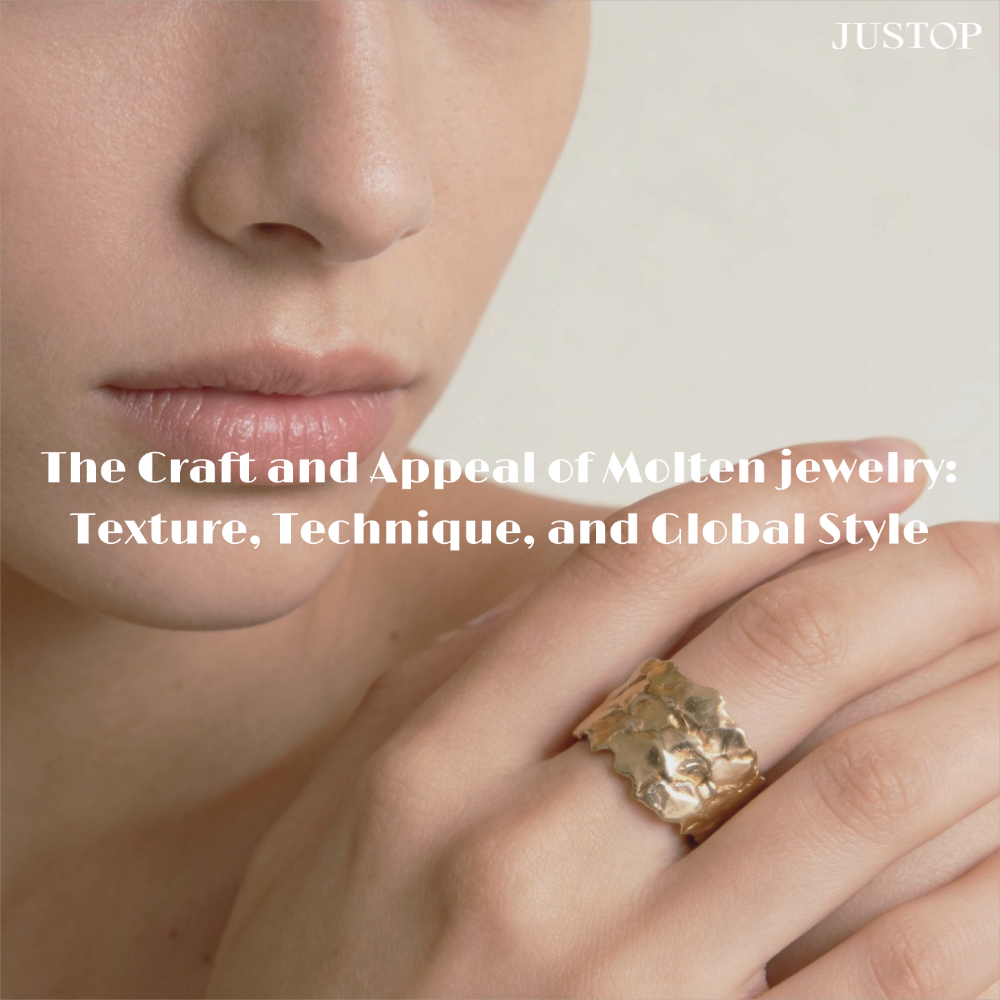
Molten jewelry has become one of the most expressive forms of modern artisan design, capturing the energy of flowing metal and the unpredictability of nature. Its rugged surfaces, crater-like details, and organic curves make it a standout category within textured metal jewelry, blending raw intensity with contemporary craftsmanship. This aesthetic attracts fans of gothic jewelry, industrial fashion, and artistic silverwork worldwide.
How Molten Textures Are Created
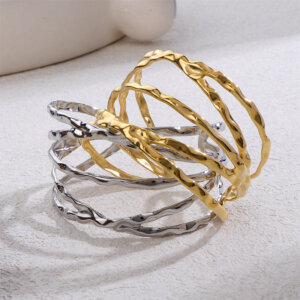
The molten look can be achieved through several highly specialized techniques.
One of the most respected methods is enamel-based craftsmanship, widely seen in handmade enamel jewelry. Artisans apply a mixture of metallic oxides and glass powders onto a metal base and fire it at high temperatures. As the enamel melts and bubbles, it forms deep, volcanic textures that echo the visuals of molten rock. This technique pairs beautifully with blackened silver jewelry and oxidized sterling silver rings.
Another approach appears in rugged accessories such as the wax cord bracelet. Here, layers of wax are melted with heat, creating irregular drips and hardened ridges. The result is a raw, geological pattern that appeals to outdoor-inspired and alternative fashion communities.
For metal-focused designs, jewelers often sculpt or digitally model textured forms directly before producing them through silver casting jewelry. After casting, the pieces may be darkened, brushed, or combined with resin, giving rise to striking forms of resin and metal jewelry that highlight both clarity and texture.
Where Molten Textures Shine in Jewelry Design
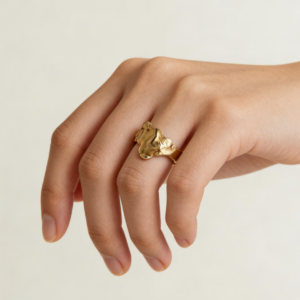
Molten surfaces look especially powerful on sculptural designs. Rings—especially the sterling silver statement ring and textured silver ring—gain dramatic depth when paired with polished gemstones or minimalist silhouettes.
In necklaces, an artisan pendant necklace featuring molten curves becomes an instant focal point, while statement earrings silver add movement and dimension with their multi-layered surfaces.
This aesthetic is naturally aligned with dark aesthetic jewelry, industrial style jewelry, and rock style jewelry, where bold textures and raw finishes are central to the overall look.
Who Loves Molten jewelry: From the U.S. to Northern Europe
This style has strong fan bases in the United States, Germany, and the Nordic region. In the U.S., it appeals to lovers of alternative culture—rock enthusiasts, goth style followers, and supporters of handmade craft movements. Its rugged aesthetic also resonates with outdoor-inspired buyers who appreciate organic, earth-linked designs.
In Germany and Northern Europe, molten textures harmonize with Nordic design jewelry, known for its focus on minimalism, texture, and an appreciation for natural imperfections. Urban wearers who favor avant-garde, artistic, and small-batch creations are especially drawn to the molten aesthetic.