From Royal Crowns to Modern Fashion Icons
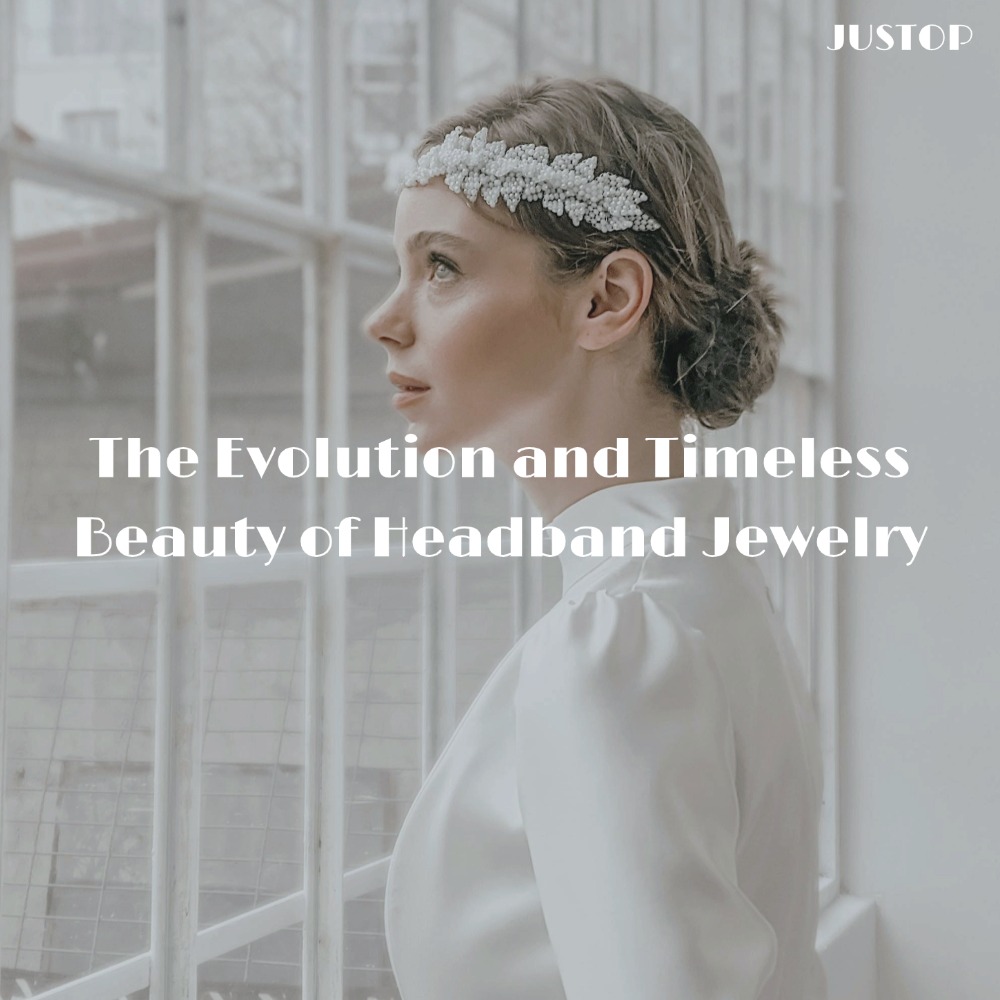
Headband jewelry has evolved far beyond its functional beginnings. Once a mark of royalty and power, today’s jewellery headband is a refined expression of personal style. In ancient Egypt, gold and lapis lazuli were crafted into regal forehead bands for pharaohs, while in Greece and Rome, diadems and gold leaves headbands crowned rulers and victors.
By the 1920s, this ancient symbol was reimagined through the lens of Art Deco — jeweled bands adorned with feathers and crystals defined the glamour of the flapper era. Later, icons like Audrey Hepburn and Grace Kelly turned the jeweled headband into an emblem of understated elegance. Now, in the 21st century, it reappears on the runways of Gucci and Dior, celebrated for its versatility and artistry.
A Global Fashion Statement

In the world of modern accessories, the headband jewelry has become a centerpiece of luxury styling. On red carpets across Europe and the U.S., celebrities elevate their looks with bridal tiara headbands or gemstone headbands, each piece as dazzling as a diamond ring headband.
Beyond haute couture, these designs have found their place in everyday fashion. From crystal headbands to rhinestone headbands, lightweight yet ornate options allow anyone to add a touch of sophistication to daily wear. Meanwhile, pearl headbands and silver chain headbands dominate on social media, blending classic charm with a contemporary twist.
In regions such as the Middle East and South Asia, the wedding headband jewelry tradition remains vibrant, often paired with elaborate gowns and heirloom accessories. In East Asia, hair jewelry headbands complement minimalist fashion trends, reflecting both youth and elegance.
Materials and Craftsmanship
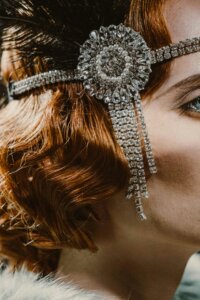
From fine jewelry ateliers to boutique brands, the craftsmanship of headband jewelry spans a wide range of techniques and materials.
Luxury pieces often feature sterling silver or gold bases, hand-set with pearls, diamonds, or precious stones. Designers favor intricate metalwork, echoing the finesse of traditional jewelry-making. In contrast, custom headbands and modern collections use brass, stainless steel, or alloy bases with rhinestones, resin, and enamel to balance beauty and wearability.
The aesthetic diversity is endless — from vintage style headbands reminiscent of Victorian opulence to sleek metal head bands and minimalist designs perfect for modern professionals. Each style speaks to a different persona, from the romantic bride to the bold trendsetter.
Crowning Modern Elegance
Today, headband jewelry is more than an accessory — it’s a statement of artistry and identity. It bridges heritage and modernity, echoing centuries of adornment while fitting seamlessly into contemporary wardrobes. Whether crafted as a forehead band jewellery piece or a delicate bridal tiara headband, each creation continues the ancient legacy of adornment — crowning every wearer with confidence, charm, and light.