In today’s world of growing environmental awareness, sustainable jewelry is no longer a passing trend—it’s becoming a defining standard for the industry. As an essential part of the fashion sector, the jewelry industry is undergoing a green revolution, embracing innovation, transparency, and responsibility to protect our planet.
The Path to Eco-Friendly Jewelry
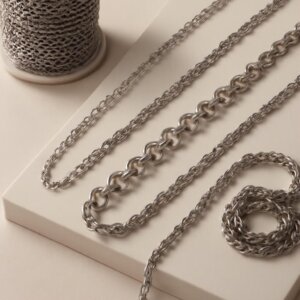
The foundation of eco-friendly jewelry lies in sustainable materials. Brands are adopting forward-thinking solutions such as recycled metal jewelry, which reduces the need for new mining, and ocean plastic jewelry, which transforms marine waste into stunning accessories. Natural alternatives like plant-based leathers and biodegradable jewelry made from mushroom mycelium or pineapple fibers are also gaining attention. For those seeking precious stones, lab-grown diamond jewelry and conflict-free diamonds offer beauty without the environmental or ethical costs of traditional mining.
Production methods are evolving, too. From renewable energy use in workshops to zero-waste jewelry design with 3D printing, sustainability now extends to how pieces are crafted. Some brands create handmade jewelry with minimal machinery, preserving traditional skills while lowering carbon footprints.
The Role of Certifications
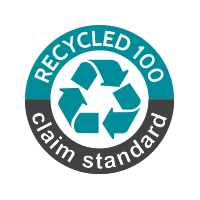
Authenticity matters in sustainable fashion. Certifications like RCS verify recycled content in products such as recycled gold jewelry, recycled silver jewelry, and recycled platinum jewelry, while RJC certification ensures ethical sourcing and production throughout the supply chain. These standards help conscious consumers trust that their ethical jewelry choices align with their values.
Why Choosing Sustainable Jewelry Matters
On an environmental level, selecting green fashion jewelry helps reduce ecological damage from mining, lower carbon emissions, and fight plastic pollution. Socially, supporting fair trade jewelry promotes safe working conditions and fair wages. Economically, it encourages circular design models like upcycled jewelry and brand take-back programs.
For individuals, wearing sustainable necklaces, sustainable bracelets, sustainable earrings, or environmentally friendly rings is more than a style choice—it’s a statement of values. Each piece tells a story, whether it’s made from repurposed materials, ethically sourced gemstones, or biodegradable accessories that will one day return harmlessly to the earth.
Looking Ahead
The future of sustainable jewelry will see even more transparency through blockchain technology, wider use of biodegradable innovations, and a rise in made-to-order sustainable engagement rings to avoid overproduction. Rental and resale platforms will continue to extend product lifecycles, reducing waste.
Ultimately, the most sustainable jewelry is the one you cherish and wear for years. By choosing eco-friendly jewelry, consumers cast a vote for a cleaner, fairer, and more beautiful world. Every purchase—whether it’s a timeless recycled gold necklace or a bold ocean plastic bracelet—can help protect the planet we all share.