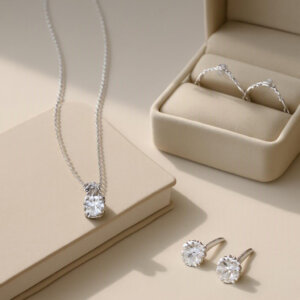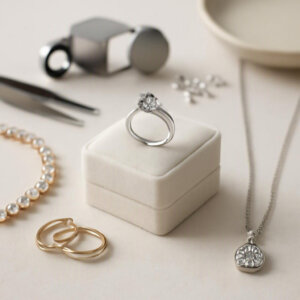
In recent years, natural gemstone jewelry—featuring crystals, agates, meteorites, and more—has surged in popularity, driven by trends like “energy healing” and “natural aesthetics.” But as more people embrace these vibrant accessories, questions about their safety have emerged. Are healing crystals safe? The answer isn’t always straightforward. Some stones contain heavy metals or radioactive elements, while others undergo chemical treatments that can pose health risks over time.
Toxic Crystals You Should Avoid

Not all beautiful stones are harmless. Some toxic crystals can release harmful substances through direct contact, inhalation, or long-term wear.
Galena (Lead Ore): Highly toxic due to its lead content. Prolonged skin contact may result in lead poisoning.
Cinnabar: This mercury-rich crystal has been historically used in jewelry but is considered unsafe today. Is cinnabar jewelry safe to wear? Experts say no—it may harm the nervous system.
Malachite: A copper carbonate mineral. In its raw or powdered form, malachite toxicity can be serious, especially if inhaled. Is malachite safe to wear? Only when polished and sealed—avoid porous, untreated malachite.
Radioactive Gemstones: A Hidden Threat
Certain gemstones naturally contain radioactive elements like uranium or thorium.
Zircon: Though beautiful, some natural zircon stones contain trace radiation. Is zircon jewelry safe? It depends—low-radiation varieties may be acceptable, but high-radiation pieces should be avoided. Always check certifications.
Monazite: This mineral is rich in thorium and is considered unsafe for personal adornment due to its strong radioactivity.
When in doubt, test gemstones using a household radiation detector. Levels above 0.3 µSv/h should be treated with caution.
Chemically Treated Stones and Allergic Reactions
Dyed agates and chalcedonies may contain industrial dyes, some of which include carcinogenic elements like chromium or arsenic. Look for signs of fading or discoloration.
Resin-injected stones (like treated turquoise or jadeite) may release volatile compounds over time, especially when worn close to the skin.
Safer Alternatives and Best Practices

Not all gemstones are dangerous. Many are stable and safe for daily wear.
Recommended Safe Gemstones:
- Quartz family: Clear quartz, amethyst, and rose quartz—chemically stable and non-toxic.
- Silicates: Moonstone, labradorite—generally inert and safe.
- Oxides: Ruby and sapphire—hard, non-reactive, and ideal for long-term wear.
Safety Tips:
- Remove gemstone jewelry during sleep or exercise.
- Avoid giving high-risk stones to children or pregnant individuals.
- Clean pieces with water and a soft cloth—avoid harsh chemicals.
Final Thoughts: Natural Doesn’t Always Mean Safe
It’s a common misconception that natural stones are always safe. In reality, some radioactive gemstones and toxic crystals are harmful if not properly handled. Before purchasing, verify the stone type, request a safety certification (e.g., SGS test or radiation report), and choose sealed or metal-encased designs when possible.
Jewelry should enhance your life, not endanger your health. Choose wisely, wear responsibly, and always prioritize well-being over trend.