
Pearls, often called the “tears of the sea,” have captivated jewelry lovers for centuries. But with so many types of pearls on the market, from rare natural varieties to affordable cultured options, understanding their true value can be overwhelming. This guide explores the types of pearls and their value, how to spot quality, and what affects pearl pricing.
Natural vs Cultured Pearls
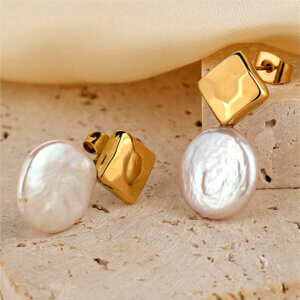
The first thing to know is the difference between natural vs cultured pearls. Natural pearl jewelry is made from pearls formed without human intervention. These are extremely rare today and usually found only in antique collections or high-profile auctions. One of the most expensive pearl types, natural pearls from the Persian Gulf or rare conch pearls, can sell for tens of thousands of dollars per pearl.
In contrast, 99% of the pearls on the market today are cultured pearls—grown with human help by inserting a nucleus into a mollusk. Despite being more common, cultured pearls still offer a wide range of beauty and value. Whether you’re looking to buy natural pearls online or invest in fine cultured pieces, understanding the options is key.
Cultured Pearl Types & Price Guide
Here’s a quick pearl price guide, showing the common types of cultured pearls in descending price order:
- White South Sea Pearls and golden South Sea pearls are the largest and most luxurious. A pair of South Sea pearl earrings can range from $500 to over $10,000 depending on size and luster.
- Black Tahitian pearls from French Polynesia are known for their deep, peacock-like tones. A Tahitian pearl pendant is a favorite for bold, modern looks.
- Akoya pearls, especially those from Japan, are prized for their intense luster and roundness. A classic Akoya pearl necklace is ideal for bridal wear or professional elegance.
- Freshwater pearls, mostly from China, offer great value. From a casual freshwater pearl bracelet to a bold baroque pearl necklace, these pearls come in many shapes and colors at an accessible price.
If you’ve ever wondered how much are real pearls worth, the answer depends on factors like size, shape, luster, and surface quality. Larger pearls with mirror-like shine and fewer blemishes fetch higher prices.
How to Identify Real Pearls
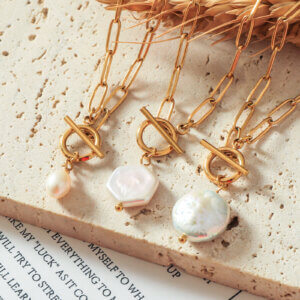
Not sure if a pearl is real? Here’s how to identify real pearls:
- Real pearls feel gritty when rubbed against your teeth.
- High-quality real pearl stud earrings have sharp, bright reflections.
- To detect dyed or fake pearls, gently rub them with acetone using a cotton swab—if the color comes off, they’re fake.
When comparing Akoya vs freshwater pearls, Akoya pearls are more expensive due to their perfect roundness and superior luster. Freshwater pearls, on the other hand, are affordable and diverse in design.
Choosing the Right Pearl for You
Looking for a timeless pearl engagement ring? Prefer the everyday elegance of a cultured pearl necklace? Whether you’re shopping for luxury pearl jewelry or an affordable gift, understanding real vs fake pearls and knowing the pearl’s origin helps you buy with confidence.
From rare natural pearls to versatile freshwater strands, pearls offer timeless elegance for every budget.