Designing jewelry is a creative and intricate process that requires a blend of functionality, artistry, and technical know-how. Whether you’re a beginner or an experienced designer, understanding the jewelry design process is crucial to creating pieces that resonate with consumers and stand out in the market. Below, we explore the key conditions for jewelry design, the factors to consider during the design phase, and steps to accurately produce your creations.
Key Conditions for Jewelry Design
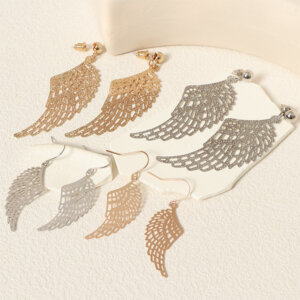
- Functionality and Target Audience
Successful designs start with identifying the target consumer and the intended occasion for use. For example, elegant necklaces for formal events or minimalist rings for everyday wear. - Craftsmanship and Material Suitability
Ensure your designs align with the available materials and jewelry manufacturing techniques. Select durable and visually appealing materials like gold, silver, or stainless steel to meet customer expectations. - Artistic and Market Awareness
Designers should stay updated with jewelry trends 2025 while maintaining originality. Jewelry market research tools can help analyze consumer preferences and competitor offerings.
Factors to Consider During the Design Phase
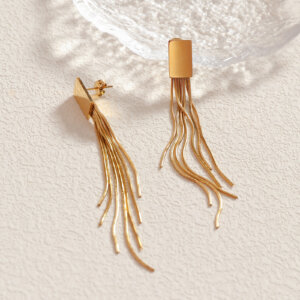
- Ergonomic Jewelry Design
Comfort is key. Consider the weight, size, and fit of the jewelry to ensure a seamless experience for the wearer. - Proportional and Aesthetic Harmony
Balance the elements in your design for visual appeal. Use principles of jewelry color theory to select complementary hues for gemstones and metals. - Innovation and Uniqueness
Avoid common themes by incorporating fresh ideas. Drawing inspiration from nature or architecture can lead to unique creations. - Sketching and Conceptualizing
Start with rough sketches to map out your ideas. Use jewelry sketching techniques to refine your concepts before moving to digital design. - CAD Design for Precision
Embrace jewelry CAD design software like Rhino or JCAD to create detailed 3D models. This step enhances precision and allows for jewelry prototyping before mass production.
How to Make Jewelry Designs into Reality
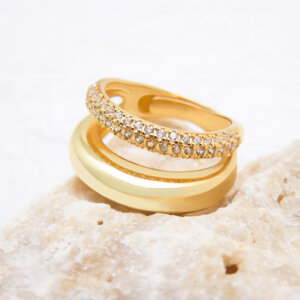
- Market Research and Concept Development
Begin with thorough market research to understand trends, consumer needs, and potential design opportunities. This step lays the foundation for custom jewelry design ideas. - Structural and Material Considerations
Choose the right materials for durability and aesthetics. Jewelry material selection plays a significant role in determining the overall quality of the final product. - Digital Modeling and Prototyping
Use 3D modeling for jewelry to create prototypes that ensure design feasibility. Prototyping minimizes production errors and helps visualize the finished product. - Production and Quality Control
Once the design is finalized, collaborate with manufacturers skilled in jewelry design and manufacturing. Ensure quality checks are in place to maintain consistency.
Jewelry Design Tips for Beginners
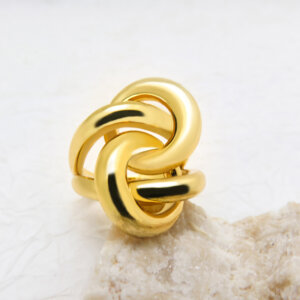
If you’re new to the field, focus on understanding the jewelry production process and mastering tools like jewelry design software. Start small with simple designs and gradually experiment with more intricate patterns as you gain experience.
Conclusion
Jewelry design is both an art and a science, requiring creativity, technical skills, and market awareness. By following these jewelry design tips, leveraging advanced tools, and paying attention to consumer needs, you can create stunning pieces that are both functional and fashionable. Whether you’re designing for a niche market or mass production, the journey from concept to creation is an exciting opportunity to showcase your artistic vision.