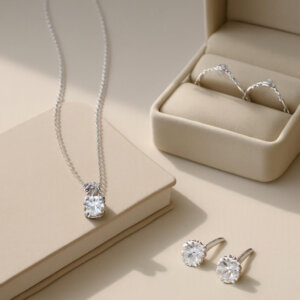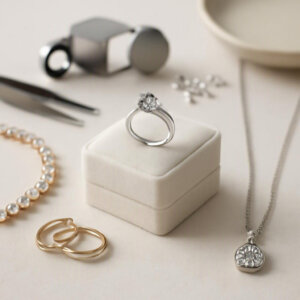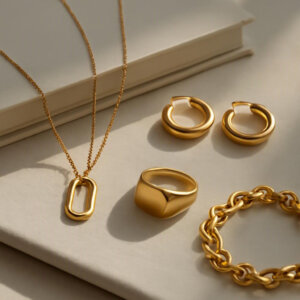
When it comes to the jewelry industry, one of the most dynamic and growing segments is the gold-plated jewelry market. Did you know that the global jewelry market was valued at $340 billion in 2022 and is projected to grow at a compound annual growth rate (CAGR) of 8.5% through 2030 (Grand View Research, 2023)? Within this market, gold-plated jewelry is emerging as a popular choice for businesses and consumers alike, due to its affordability and aesthetic appeal.
Gold Plated Jewellery in the Global Marketplace
The demand for gold-plated jewelry is driven by its ability to combine luxury aesthetics with cost-effectiveness. According to Statista, over 75% of global consumers seek jewelry options that blend quality and affordability, making gold-plated pieces an ideal choice. Furthermore, regions such as Asia-Pacific and North America are witnessing significant growth in this segment, with the latter accounting for over 35% of global jewelry sales in 2023 (McKinsey, 2024).
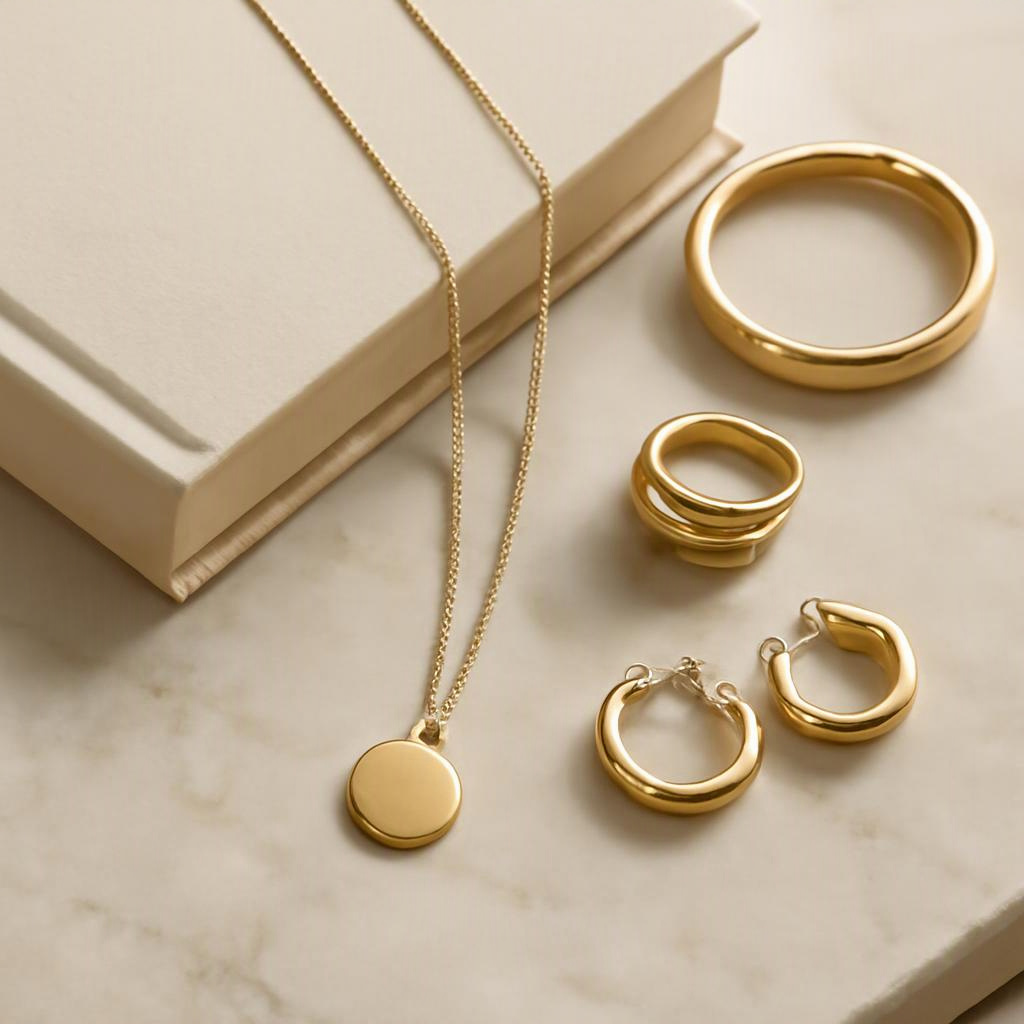
Gold-plated jewelry offers a lucrative opportunity for retailers and wholesalers. It allows businesses to cater to a diverse customer base, from budget-conscious consumers to fashion-forward individuals seeking trendy and versatile accessories. The versatility of gold-plated jewelry is evident in its wide range of applications – from statement necklaces and elegant bracelets to minimalistic rings and trendy earrings.
Understanding Industry Standards and Best Practices
To succeed in the gold-plated jewelry wholesale business, understanding industry standards and adhering to best practices is crucial. The Responsible Jewellery Council (RJC), an organization co-founded by brands like De Beers and Cartier in 2005, plays a pivotal role in setting global standards for ethical practices in the jewelry industry. With over 2,100 member companies, the RJC emphasizes responsible sourcing, transparency, and sustainability in jewelry production (Responsible Jewellery Council, 2024).
Gold-plated jewelry wholesalers should prioritize sourcing from RJC-certified suppliers to ensure ethical practices and high-quality products. RJC members are required to follow strict guidelines, including third-party auditing for compliance with environmental and social standards. By partnering with an RJC-certified manufacturer, businesses not only enhance their brand reputation but also meet growing consumer demand for ethically sourced products.
Justop, a leading jewelry manufacturer, stands out with its commitment to ethical sourcing and craftsmanship. With GIA-certified gemologists and over 1,000 proven jewelry designs, Justop ensures that every piece meets the highest industry standards. Explore their customizable options at Justop’s contact page.
How to Choose a Reliable Gold Plated Jewellery Wholesaler
When selecting a gold-plated jewelry wholesaler, consider the following factors:
- Certifications: Look for RJC or ISO certifications to ensure ethical sourcing and compliance with international standards.
- Product Quality: Evaluate the thickness of gold plating, which is measured in microns. A minimum thickness of 2.5 microns is recommended for durable products.
- Customization Options: Choose a supplier that offers design flexibility to cater to your target market’s preferences.
- Partnerships: Partnering with established manufacturers like Justop ensures access to high-quality products and reliable service.
Industry standards like those set by the Federal Trade Commission (FTC) Jewelry Guides also provide guidance on marketing and labeling gold-plated products to avoid misleading claims. Adhering to these standards can prevent potential legal challenges and build consumer trust.
Future of Gold Plated Jewellery Wholesale: Trends and Growth Opportunities
The future of gold-plated jewelry is promising, with several trends shaping the market:
- Sustainable Practices: Consumers increasingly prefer environmentally friendly and conflict-free jewelry. Companies that adopt sustainable practices will have a competitive edge.
- Personalization: Customizable and personalized jewelry is in high demand. Offering engraving services or custom designs can attract niche markets.
- Digital Transformation: E-commerce platforms and social media are driving sales. Businesses that invest in digital marketing and online stores see faster growth.
McKinsey projects that by 2030, online jewelry sales will account for 30% of the market, compared to 13% in 2022. Now is the time for B2B businesses to capitalize on this trend and expand their digital footprint.
Implementation Guide: Success Metrics in Gold Plated Jewellery Wholesale
Measuring success in the gold-plated jewelry business involves tracking key performance indicators (KPIs) such as:
- Sales Growth: Monitor monthly and annual sales to gauge market demand.
- Customer Retention: Repeat customers are a strong indicator of product quality and brand loyalty.
- Market Penetration: Assess your share in target markets to identify growth opportunities.
For businesses ready to scale, partnering with experienced manufacturers like Justop can streamline operations. With factory-direct pricing and customizable MOQs, Justop helps brands achieve both quality and profitability. Contact them today at Justop’s contact page.
Future Outlook & Strategic Recommendations
The gold-plated jewelry market is set to grow as consumer preferences evolve towards affordable luxury and sustainable practices. Retailers and wholesalers should focus on ethical sourcing, digital transformation, and innovative designs to stay competitive. By partnering with reliable manufacturers like Justop, businesses can ensure consistent quality and align with industry standards.
As the jewelry market continues to expand globally, now is the perfect time to invest in gold-plated jewelry wholesale. Stay ahead of the curve by adopting data-driven strategies and building strong partnerships.