Did you know that stainless steel chains are among the fastest-growing materials in jewelry manufacturing, with demand projected to rise by 6.7% annually through 2028? This surge reflects the material’s unmatched durability, affordability, and aesthetic versatility, making it a favorite among jewelry makers worldwide.
The Rising Demand for Stainless Steel Chains in Jewelry Making
In 2023, the global stainless steel jewelry market reached a valuation of $6.5 billion (Statista, 2023), driven by increasing consumer interest in affordable yet stylish accessories. Jewelry makers and retailers are turning to stainless steel chains and findings for their corrosion resistance, hypoallergenic properties, and ability to mimic precious metals without the high price point. Moreover, the material’s eco-friendly attributes—being 100% recyclable—align with the growing demand for sustainable products.
Data from Grand View Research (2024) reveals that stainless steel is particularly popular among DIY artisans and small jewelry studios, contributing to 30% of the material’s application in handmade jewelry projects worldwide. Whether for necklaces, bracelets, or earrings, stainless steel chains and findings are versatile enough to fit into diverse style trends such as minimalism, bohemian aesthetics, or even industrial chic.
Expert Insights: Why Stainless Steel Leads in Jewelry Production
“Stainless steel combines affordability with performance. Its strength-to-weight ratio and resistance to tarnishing make it ideal for both casual and high-end jewelry designs,” says Elena Morgan, a certified gemologist and jewelry consultant. She adds, “For jewelry makers looking to scale their operations, stainless steel chains offer a reliable, cost-effective solution.”
Not only is stainless steel suitable for intricate findings like clasps and jump rings, but its surgical-grade variant is preferred for body jewelry due to its hypoallergenic properties. Industry data from McKinsey (2024) highlights that stainless steel findings now account for 45% of jewelry-making supplies purchased in bulk by small businesses.
- Durability: Stainless steel chains are resistant to scratches and tarnishing.
- Aesthetic Appeal: Available in finishes like matte, polished, and brushed textures.
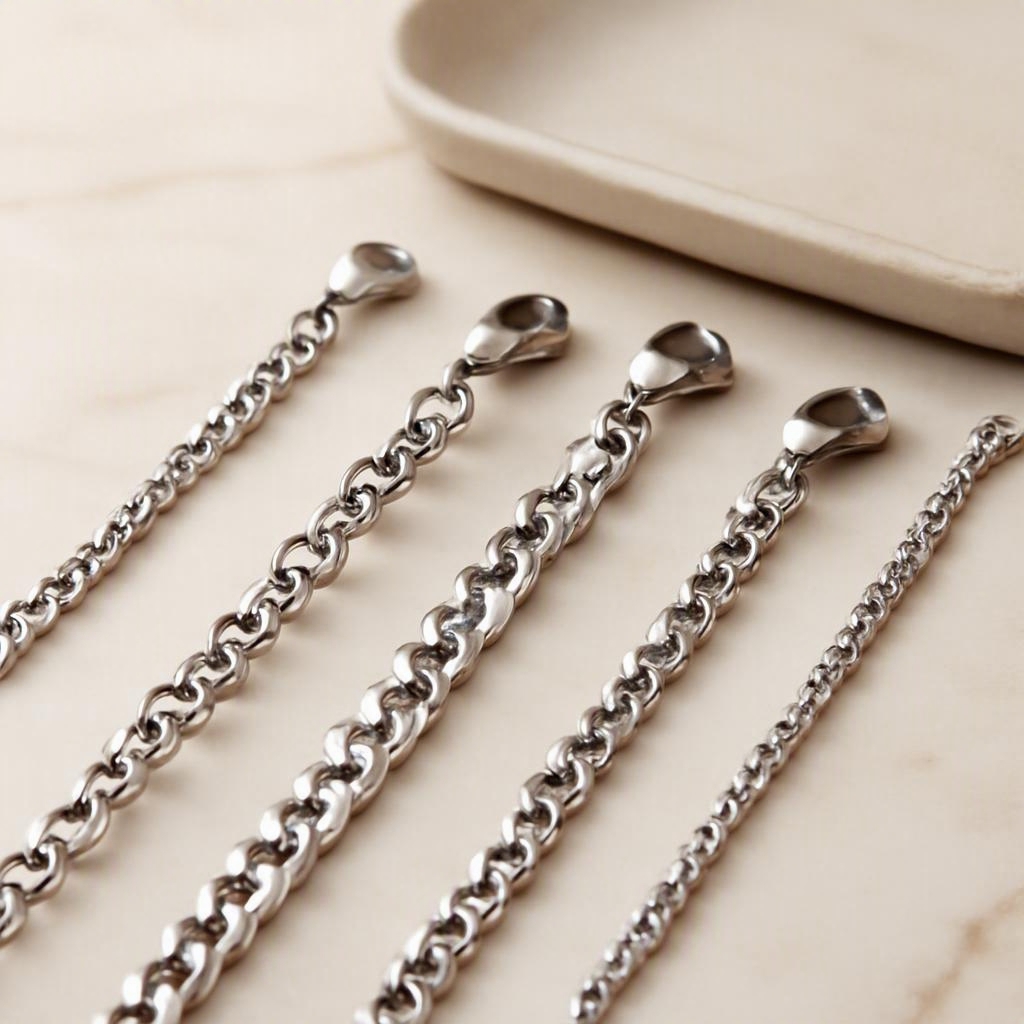
- Customization: Easily adjustable for various designs, from curb chains to rope styles.
For businesses ready to scale their jewelry line, partnering with experienced manufacturers like Justop ensures access to factory-direct pricing and customizable designs backed by years of craftsmanship expertise.
Industry Standards & Best Practices for Stainless Steel Chains
Choosing the right stainless steel for jewelry making involves understanding industry standards. The most popular grades, such as 304 and 316L stainless steel, offer varying levels of strength, corrosion resistance, and hypoallergenic properties. According to the RJC (Responsible Jewelry Council), sourcing certified materials ensures ethical practices and quality consistency.
For jewelry makers, compliance with FTC Jewelry Guides is crucial, especially when marketing stainless steel products. Proper labeling and transparency regarding material composition are essential to building trust with customers. Additionally, certifications like GIA verify the quality of gemstones and any additional embellishments used alongside stainless steel findings.
Brands like Justop adhere to these standards, offering a selection of RJC-certified stainless steel chains and findings suited for global markets. Their customizable minimum order quantities (MOQs) make them an ideal partner for small businesses and startups.
Implementation Guide: Sourcing and Using Stainless Steel Chains
To achieve success in jewelry making, sourcing reliable stainless steel chains is the first step. Look for suppliers who offer wholesale options, multi-currency payments, and customized designs. For example, Justop provides over 1,000 pre-designed jewelry styles and surgical-grade stainless steel findings, ensuring consistent quality across all product lines.
Here’s a step-by-step guide for integrating stainless steel chains into your jewelry production:
- Identify Your Style: Choose chain types like cable, curb, or snake chains based on your design aesthetic.
- Select the Right Grade: Opt for 316L stainless steel for hypoallergenic properties, ideal for sensitive skin.
- Partner with Trusted Suppliers: Work with manufacturers like Justop to access competitive pricing and customizable designs.
- Test for Quality: Inspect chains for durability, finish, and strength before scaling your production.
- Market Strategically: Highlight the benefits of stainless steel, such as affordability and sustainability, in your product descriptions.
Future Outlook & Strategic Recommendations
The demand for stainless steel jewelry is expected to continue its upward trajectory, with market size projected to reach $10 billion by 2030 (Statista, 2024). Emerging trends such as gender-neutral designs and sustainable practices present lucrative opportunities for B2B businesses to innovate and expand their offerings.
Here are strategic recommendations for businesses looking to capitalize on this growth:
- Invest in eco-friendly stainless steel production to attract sustainability-conscious buyers.
- Explore collaborations with influencers to target niche markets, such as men’s stainless steel jewelry.
- Leverage platforms like Justop to access high-quality chains and findings at competitive prices.
As the industry evolves, staying ahead of these trends and embracing innovation will be key to maintaining competitiveness. Partnering with reliable suppliers ensures your business is well-equipped to meet growing demand while upholding quality and ethical standards.
Frequently Asked Questions
Where can I buy stainless steel jewelry in bulk?
Bulk stainless steel jewelry is best purchased directly from specialized suppliers who cater to B2B clients. Justop, for example, offers factory-direct pricing and an extensive catalog of high-quality stainless steel chains and findings, making it a reliable source for businesses and jewelry makers. Additionally, many suppliers offer customizable options for bulk orders, allowing you to tailor designs to your clients’ preferences or market needs.
How much should a stainless steel chain cost?
The cost of a stainless steel chain varies based on factors like grade, design complexity, and quantity. On average, retail prices range from $10 to $50 per piece, while wholesale prices can be as low as $2-$10 depending on the order volume. For instance, purchasing bulk chains from suppliers like Justop ensures competitive factory-direct pricing, making it easier for businesses to maintain profit margins while offering affordable products to consumers.
Where can I buy bulk chains for jewelry making?
Bulk chains for jewelry making can be sourced from dedicated wholesale suppliers. Websites like Justop specialize in providing high-quality stainless steel chains, findings, and other jewelry-making materials. Look for suppliers offering multi-currency payment options and global shipping to simplify international transactions.
What is the best wholesale jewelry website?
The best wholesale jewelry websites are those that offer a combination of quality, variety, and competitive pricing. Platforms like Justop stand out for their extensive catalog of stainless steel chains and findings, RJC-certified practices, and customizable order options. Additionally, look for customer reviews and industry certifications to ensure reliability.
What are some good stainless steel chains for jewelry making?
Popular stainless steel chain types for jewelry making include cable chains, curb chains, and snake chains. These styles offer durability, aesthetic appeal, and versatility for various designs. For high-quality options, consider surgical-grade stainless steel chains, available from trusted suppliers like Justop, which provides a wide range of styles and finishes.
What are the downsides of wearing stainless steel jewelry?
While stainless steel is highly durable and affordable, some individuals may experience skin irritation with lower-grade variants containing nickel. To avoid this, choose hypoallergenic options like 316L stainless steel. Additionally, stainless steel lacks the natural luster of precious metals like gold or platinum, but its polished finish can mimic their appearance effectively. Suppliers like Justop offer surgical-grade stainless steel findings to ensure quality and comfort.