Why Jewelry Repair Matters
Jewelry often carries memories that are worth preserving. A broken bracelet may remind you of a special birthday, while a necklace or ring may have accompanied you for years. When a chain breaks, a gemstone becomes loose, or the surface loses its shine, many people wonder whether the piece can still be saved.
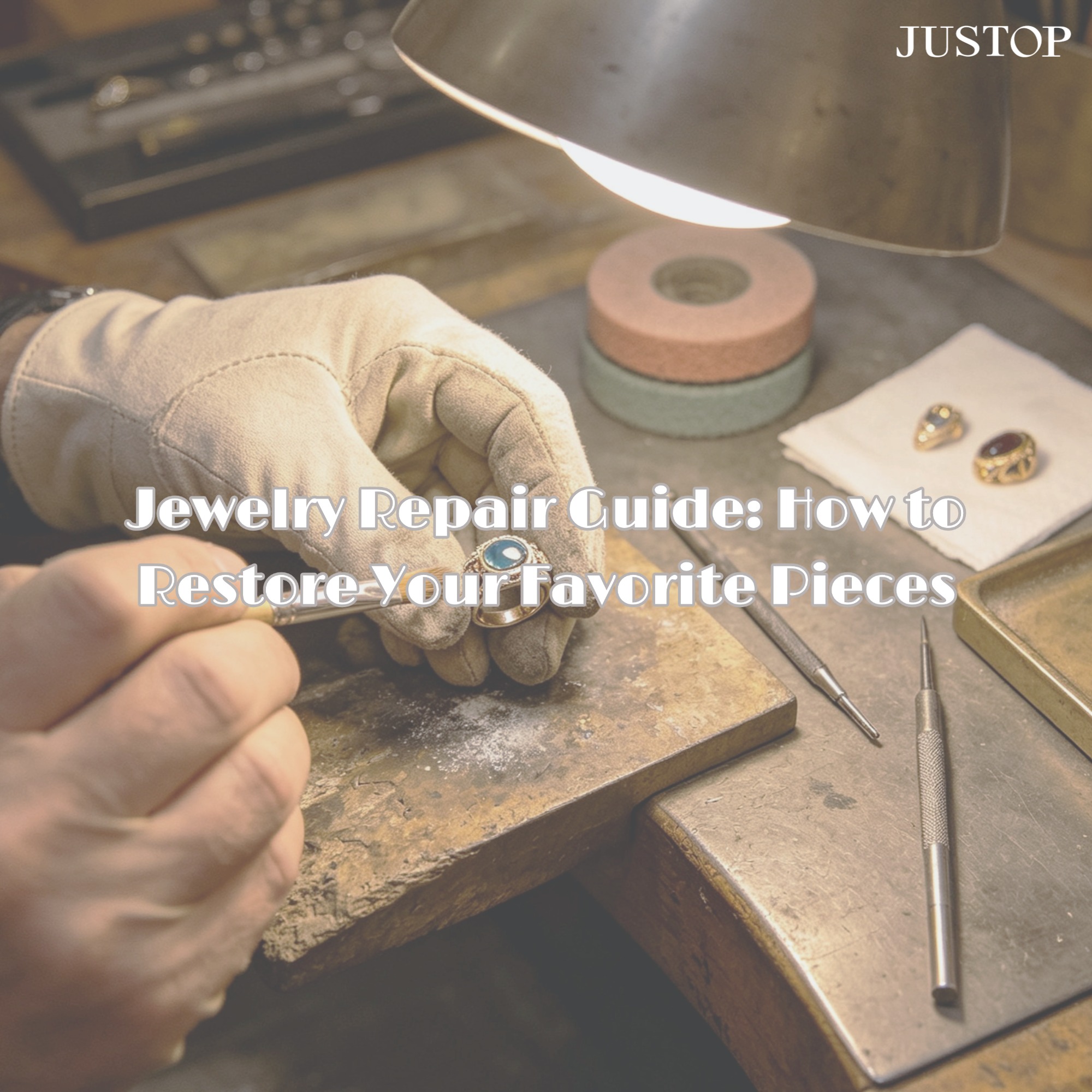
In many cases, professional jewelry repair can restore both the appearance and function of a damaged piece. Modern techniques combine traditional craftsmanship with advanced equipment, allowing skilled artisans to repair delicate connections, reinforce settings, polish surfaces, and restore worn jewelry.
Can Fashion Jewelry Be Repaired?
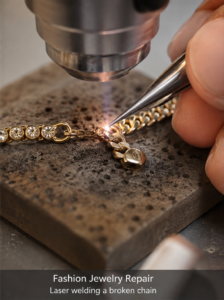
Fashion jewelry can often be repaired, but the material and construction should be evaluated first. Common problems include broken chains, loose stones, oxidation, plating wear, and slight deformation.
For a broken chain repair, laser welding can provide a highly precise connection with minimal heat exposure. Compared with conventional soldering, laser techniques can help reduce the impact on nearby plating and components. If the surface has faded or oxidized, jewelry replating may restore its original finish.
However, repair costs should also be considered. For lower-cost fashion jewelry, professional restoration may sometimes approach the original purchase price. Pieces with strong sentimental value, however, can make repair worthwhile regardless of their monetary value.
Repairing Fine Jewelry Requires Expertise
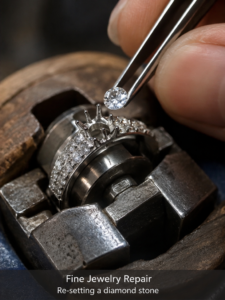
Precious jewelry deserves a higher level of care. Gold, platinum, diamonds, and natural gemstones require specialized techniques and professional handling. Fine jewelry repair may involve repairing a damaged setting, tightening loose stones, correcting a distorted ring, or restoring worn surfaces.
For valuable pieces, laser jewelry repair can be particularly useful for precise metalwork. Laser technology allows artisans to target specific areas while minimizing the heat transferred to surrounding components. After repair, a professional jewelry inspection can help confirm that connections and gemstone settings are secure.
If a gemstone is damaged beyond repair, jewelry stone replacement may be considered. The replacement stone should be carefully matched for size, color, cut, and overall appearance.
Common Jewelry Restoration Methods
Different types of damage require different solutions. Jewelry restoration may include cleaning, polishing, replating, stone setting, structural repair, or resizing.
Regular jewelry maintenance can also reduce the risk of serious damage. Gentle cleaning, proper storage, periodic inspections, and professional servicing can help extend the useful life of frequently worn pieces.
When Should You Repair Your Jewelry?
Before choosing a repair service, consider three things: the sentimental value of the piece, the severity of the damage, and the material involved. Simple structural problems are often repairable, while severely deformed metal or fractured gemstones require professional assessment.
Ultimately, jewelry repair is about more than fixing metal and stones. It is about preserving the memories attached to something meaningful. With the right technology and skilled craftsmanship, a damaged piece can become wearable again—and continue its story for years to come.