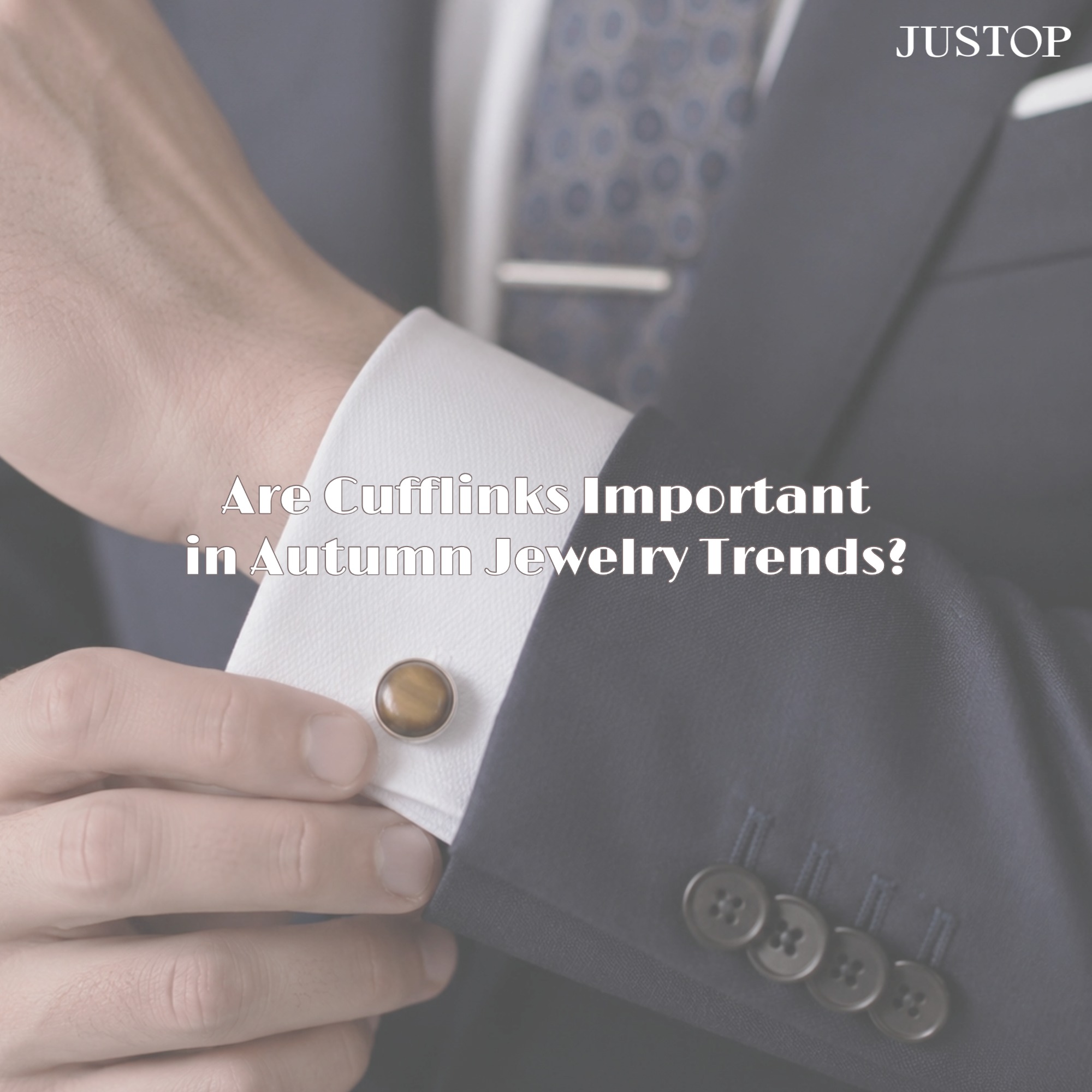
As temperatures drop and wardrobes shift, autumn becomes the perfect season to refine men’s styling details. Long-sleeve shirts and tailored jackets return to daily wear, making cufflinks for men a subtle yet powerful accessory. But are cufflinks just decorative, or do they hold real importance in seasonal jewelry collections?
A Brief History of Cufflinks
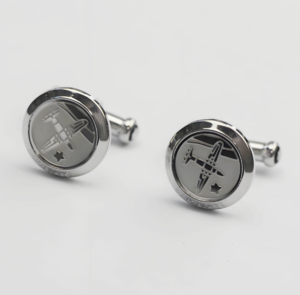
Cufflinks date back to the 17th century, when early versions—known as sleeve buttons—used ribbons or chains to fasten shirt cuffs. By the 19th century, industrial advancements allowed jewelers to craft luxury cufflinks using precious metals and gemstones, elevating them into symbols of status.
The 1920s, especially the Art Deco era, marked a golden age for art deco cufflinks, where geometric simplicity replaced ornate designs. After World War II, with the rise of French cuff shirts, cufflinks became essential in formal and business attire. Today, they have evolved beyond strict dress codes into versatile mens jewelry accessories that blend tradition with modern style.
Materials That Define Style and Value
Cufflinks come in a wide range of materials, each targeting different market segments. Entry-level options like stainless steel cufflinks offer durability and affordability, making them ideal for daily wear.
Mid-range choices such as sterling silver cufflinks or 925 silver cufflinks are highly popular due to their refined shine, skin-friendly properties, and versatility in both casual and business settings. For premium markets, gold cufflinks for men and other precious metal designs often incorporate gemstones, creating high-end gemstone cufflinks with collectible value.
Decorative materials like enamel, onyx, or mother-of-pearl further influence the aesthetic, allowing brands to position products from minimalist to bold statement pieces.
Cufflinks in the Global Fashion Market
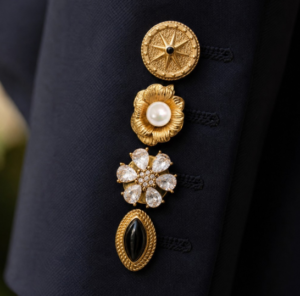
Internationally, cufflinks are offered by a wide spectrum of brands—from luxury jewelry houses to niche designers. Their role has expanded from purely formal use to include fashion-forward expressions such as minimalist cufflinks and personalized cufflinks.
In today’s market, cufflinks are no longer limited to tuxedos or black-tie events. They appear in business settings, weddings, and even creative styling, answering the common question: are cufflinks still in style? The answer is clearly yes—especially when adapted to modern tastes.
So, Are Cufflinks Important in Autumn?
The answer depends largely on your brand positioning.
For brands focused on men’s premium or business styling, cufflinks are essential. As one of the few refined accessories in formalwear, they carry both aesthetic and commercial value, particularly as business cufflinks or wedding cufflinks.
For broader or gender-neutral jewelry lines, cufflinks serve as a strong gifting category, especially during the autumn and holiday seasons. Meanwhile, trend-driven brands can reinterpret them through unconventional designs to attract younger audiences.
In short, cufflinks are more than seasonal accessories—they are enduring style statements that gain renewed relevance every autumn.