
When it comes to jewelry safety, many consumers wonder whether artificially processed stones can harm the body. The answer isn’t a simple yes or no—it largely depends on the type of gemstone treatments used. While most treated gemstones on the market are safe, certain processes require more attention.
Physical Processing: Generally Safe
Basic techniques such as cutting, polishing, and grinding only change the appearance of a stone without altering its chemical composition. These processes are standard in both natural vs synthetic gemstones and do not pose risks to the wearer. Although dust from processing can affect workers, finished jewelry is completely safe for everyday use.
Dyed and Filled Stones: Proceed with Caution
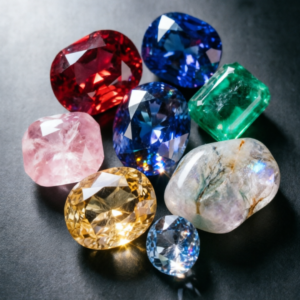
Among all gemstone treatments, dyed gemstones and filled gemstones deserve closer scrutiny. Some manufacturers enhance color or hide cracks using chemical dyes or resins. Lower-quality treatments may involve harmful substances, including lead in jewelry or other heavy metals.
These materials can sometimes cause jewelry allergy symptoms such as redness or itching, especially for sensitive skin. Additionally, color enhanced gemstones may fade or bleed when exposed to sweat, water, or perfume.
Simple checks can help: if a stone’s color looks overly bright, concentrates in cracks, or rubs off with alcohol, it may be artificially dyed. Such pieces should be worn with caution, particularly in items that touch the skin directly.
Synthetic and Radiation-Treated Gemstones: Safe When Regulated
There is often confusion around synthetic gemstones vs natural stones. In reality, lab grown gemstones have the same chemical composition as natural ones and are considered safe. They are widely used in hypoallergenic jewelry due to their purity and stability.
Similarly, radiation gemstones—stones treated to enhance color—are safe when processed under regulated conditions. Reputable manufacturers ensure that any residual radiation decays to safe levels before products enter the market. The key is to avoid suspiciously cheap stones from unknown sources, which may not meet safety standards.
How to Choose Safe Jewelry
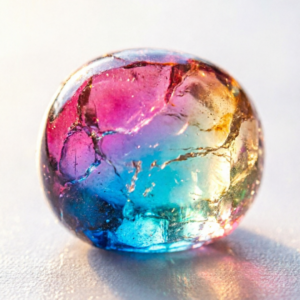
To ensure jewelry safety, consumers should prioritize trusted sellers and certified products. Choosing hypoallergenic jewelry materials—such as stainless steel, gold, or properly processed stones—can significantly reduce the risk of irritation.
For added peace of mind, you can test stones gently using alcohol on a hidden area. If color transfers, it’s likely a surface treatment.
Final Thoughts
Most treated gemstones, including synthetic gemstones and lab grown gemstones, are safe to wear when sourced responsibly. Concerns mainly arise from low-quality dyed gemstones or poorly regulated treatments. By understanding gemstone treatments and making informed choices, you can enjoy beautiful jewelry without worrying about toxic jewelry risks.