The Royal Origins of the Egg Locket Pendant
The story of the egg locket pendant begins with the legendary creations of the Peter Carl Fabergé egg in imperial Russia. In 1885, Tsar Alexander III commissioned a jeweled Easter egg as a gift for Empress Maria. This first piece, known as the “Hen Egg,” featured a simple enamel shell that opened to reveal a golden yolk, which contained a miniature hen—and inside it, even more hidden treasures.
This layered surprise concept became the hallmark of the iconic Fabergé egg pendant style. Under Tsar Nicholas II, the tradition continued, with two eggs commissioned each Easter. By 1917, a total of 50 imperial eggs had been created, establishing a legacy that still inspires jewelry design today.
From Fabergé Masterpieces to Wearable Jewelry
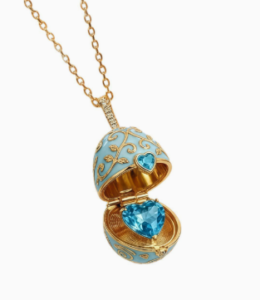
In the late 20th century, the concept evolved into wearable art. Licensed reproductions such as the Fabergé egg replica transformed these ornate objects into smaller, functional pieces like the opening locket necklace. These designs retained the signature surprise element, now reimagined as a delicate secret compartment necklace.
Today, the mini locket necklace version has made this historic design accessible to a wider audience. From luxury collectors to fashion enthusiasts, the vintage egg pendant continues to bridge heritage and modern style.
Materials and Craftsmanship
Exterior Design
High-end versions of the russian egg pendant often feature premium materials such as gold, silver, or an 18k gold locket pendant base. One of the most distinguished techniques is guilloche enamel jewelry, where intricate patterns are engraved into metal before being coated with translucent enamel. This process creates a luminous, layered effect that defines classic enamel egg pendant designs.
In more accessible fashion jewelry, materials such as gold-plated alloys and resin enamel are commonly used. Decorative elements may include floral motifs, seasonal themes, or sparkling accents like a cubic zirconia locket.
Interior Surprise
What truly sets the keepsake locket necklace apart is its hidden interior. Inside, you might find miniature charms such as animals, hearts, or symbolic shapes. This “hidden treasure” concept is what transforms a simple pendant into a meaningful, interactive piece of jewelry.
Occasions and Modern Appeal
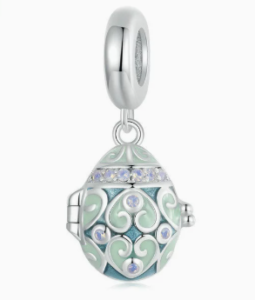
Rooted in tradition, the easter egg jewelry category remains especially popular during Easter celebrations. However, its symbolic nature—representing surprise, love, and memory—makes it equally suitable for other occasions.
As a thoughtful gift, an anniversary locket necklace offers both emotional value and timeless elegance. It’s also widely worn as a daily accessory, combining storytelling with personal style.
A Timeless Symbol of Surprise and Meaning
From imperial Russia to contemporary fashion, the egg locket pendant has evolved into more than just jewelry—it’s a piece of history you can wear. Whether inspired by a Fabergé egg pendant or designed as a modern keepsake, this unique style continues to captivate with its blend of craftsmanship, symbolism, and hidden beauty.