From Idea to Reality: The Rise of AI Jewelry Design
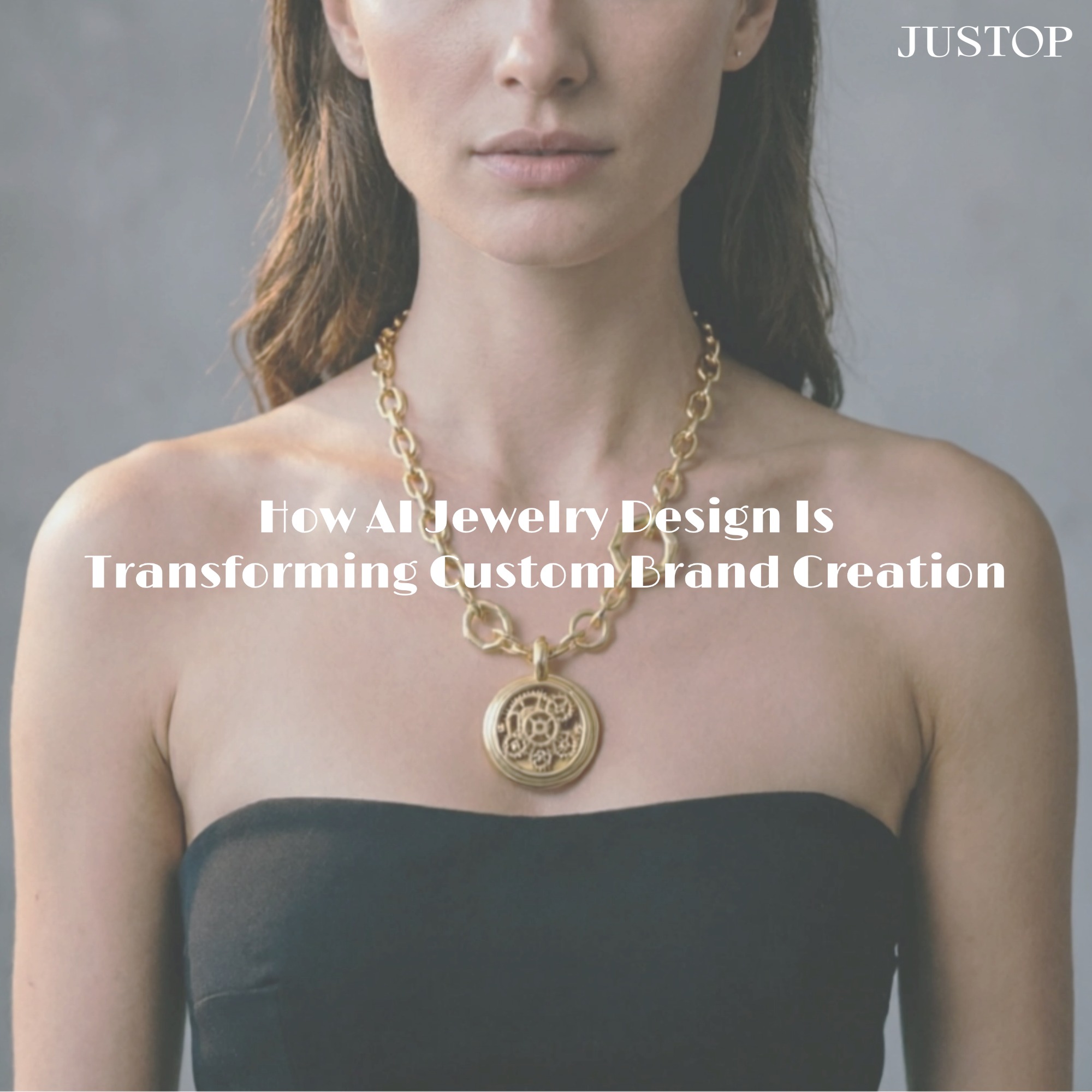
Creating your own jewelry line used to require years of training and technical expertise. Today, AI jewelry design is changing that completely. With the help of advanced AI product design tools, even beginners can explore custom jewelry design online and generate professional-looking concepts in minutes.
Tools like Midjourney jewelry design and Stable Diffusion jewelry platforms allow users to input simple descriptions and instantly receive multiple design options. This new era of digital jewelry design dramatically lowers the barrier to entry, making bespoke jewelry design more accessible than ever.
What AI Can—and Cannot—Do
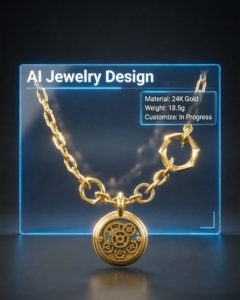
AI excels at generating visually appealing AI generated jewelry concepts quickly. However, there is a critical limitation: AI does not fully understand real-world manufacturing constraints.
Many designs created by an AI jewelry generator may look stunning but lack structural feasibility. For example, stone settings may be unrealistic, or connections between components may not hold in physical form. This is where human expertise becomes essential.
Bridging the Gap with 3D Modeling
To turn concepts into real products, the next step is jewelry 3D modeling. Designers use 3D jewelry design software and CAD jewelry design tools to refine AI-generated images into production-ready files.
Programs like Rhino jewelry design software are widely used in the industry to ensure that every detail—from proportions to jewelry setting techniques—meets manufacturing standards. This step acts as the “translation layer” between creativity and reality.
From Digital Design to Physical Product
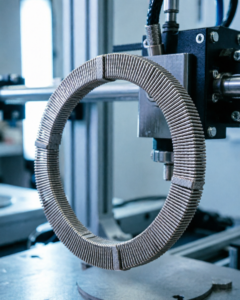
Once the model is finalized, it enters the jewelry production process. This typically involves jewelry prototyping through jewelry 3D printing, where a wax or resin model is created for casting.
This stage, often referred to as rapid prototyping jewelry, allows brands to test designs before moving into full custom jewelry manufacturing. It ensures that the final product matches both aesthetic expectations and structural requirements.
Building Your Own Jewelry Brand with AI
For entrepreneurs looking to create custom brand jewelry, AI offers an incredible starting point—but not a complete solution. The most effective workflow combines AI creativity with professional execution:
- Start with AI to explore ideas and directions.
- Collaborate with experts in modeling and production.
- Test designs through prototypes before scaling.
This approach is widely used in private label jewelry development, where speed, flexibility, and cost efficiency are critical.
Final Thoughts
AI is a powerful tool that can help you think like a designer, even without formal training. But turning ideas into real products still requires technical knowledge and collaboration.
In short, AI can spark creativity—but craftsmanship brings it to life.