Did you know that the global jewelry market is expected to reach $518.9 billion by 2030, growing at a CAGR of 8.5% (Grand View Research, 2023)? This growth is fueled by increasing consumer demand for affordable, fashionable, and high-quality jewelry—making wholesale fashion jewelry vendors indispensable for retailers. Whether you’re just starting your boutique or expanding your inventory, understanding how to leverage wholesale suppliers is crucial for long-term success.
Understanding the Wholesale Jewelry Market
Wholesale fashion jewelry vendors play an integral role in bridging the gap between manufacturers and retailers. Offering bulk pricing at significant discounts, they allow businesses to maintain healthy profit margins. For instance, Statista reports that 60% of small retailers rely on wholesale suppliers to source their inventory efficiently. Additionally, platforms like Faire have made accessing global vendors easier, with streamlined processes for ordering, returns, and payments.
Regional trends also highlight the importance of wholesale. For example, North America accounts for 35% of the global wholesale jewelry market, driven by demand for sustainable and ethically sourced products (McKinsey, 2024). Online wholesale marketplaces like Faire are particularly popular, offering curated collections from independent brands worldwide.
How to Choose the Right Wholesale Vendor: Expert Insights
“Selecting a reliable wholesale jewelry vendor is more than just finding the lowest price,” says Olivia Grant, a sourcing consultant specializing in fashion accessories. “Retailers should prioritize vendors with transparent practices, consistent quality, and flexible order minimums.” This advice is particularly relevant when exploring platforms like Faire, which feature thousands of vendors with various terms and conditions.
When evaluating wholesale vendors, consider the following:
- Certifications and Standards: Ensure vendors comply with industry certifications like GIA for gemstones or adhere to ethical sourcing practices.
- Variety and Customization: Look for vendors offering diverse designs and customizable options to cater to your target audience.
- Logistics and Lead Time: Factor in shipping times and return policies to avoid inventory gaps.
According to a 2024 report by CIBJO, 78% of retailers prefer vendors with detailed product descriptions and consistent quality control measures. This is why platforms like Faire are gaining popularity—they streamline the vetting process by showcasing vetted vendors with reviews and ratings.
Industry Standards & Best Practices for Wholesale Jewelry
Ensuring compliance with industry standards is non-negotiable in the wholesale jewelry business. Organizations like the Responsible Jewellery Council (RJC) and the Gemological Institute of America (GIA) set benchmarks for ethical sourcing, manufacturing, and selling practices. Retailers partnering with vendors certified by these organizations can build consumer trust and differentiate their brand.
For example, FTC Jewelry Guides require accurate labeling of materials like gold and diamonds. Vendors who adhere to these standards help retailers avoid legal pitfalls and maintain credibility. Platforms like Faire highlight certifications and sustainability credentials, making it easier for retailers to identify trustworthy suppliers.
Success Metrics: How to Scale with Wholesale Vendors
Scaling your retail business with wholesale fashion jewelry vendors involves more than just purchasing inventory—it requires strategic planning and performance tracking. Key success metrics include:
- Gross Margin: Aim for a minimum margin of 50% on wholesale jewelry to ensure profitability.
- Inventory Turnover: Track how quickly products sell to avoid overstocking or tying up capital.
- Customer Retention: Use data from platforms like Faire to identify best-selling products and reorder efficiently.
Retailers who adopt a data-driven approach often outperform competitors. For instance, boutique owner Sarah Lin increased her monthly revenue by 35% after switching to a vendor on Faire that offered customizable designs and bulk pricing discounts.
Future Trends and Recommendations
The wholesale jewelry market is evolving rapidly. By 2028, ecommerce platforms like Faire are expected to dominate 50% of B2B transactions (Statista, 2024). To stay ahead, retailers should:
- Embrace digital tools for inventory management and data analysis.
- Prioritize sustainability by sourcing from vendors with eco-friendly practices.
- Leverage social media platforms, such as Instagram, to showcase unique inventory and engage customers.
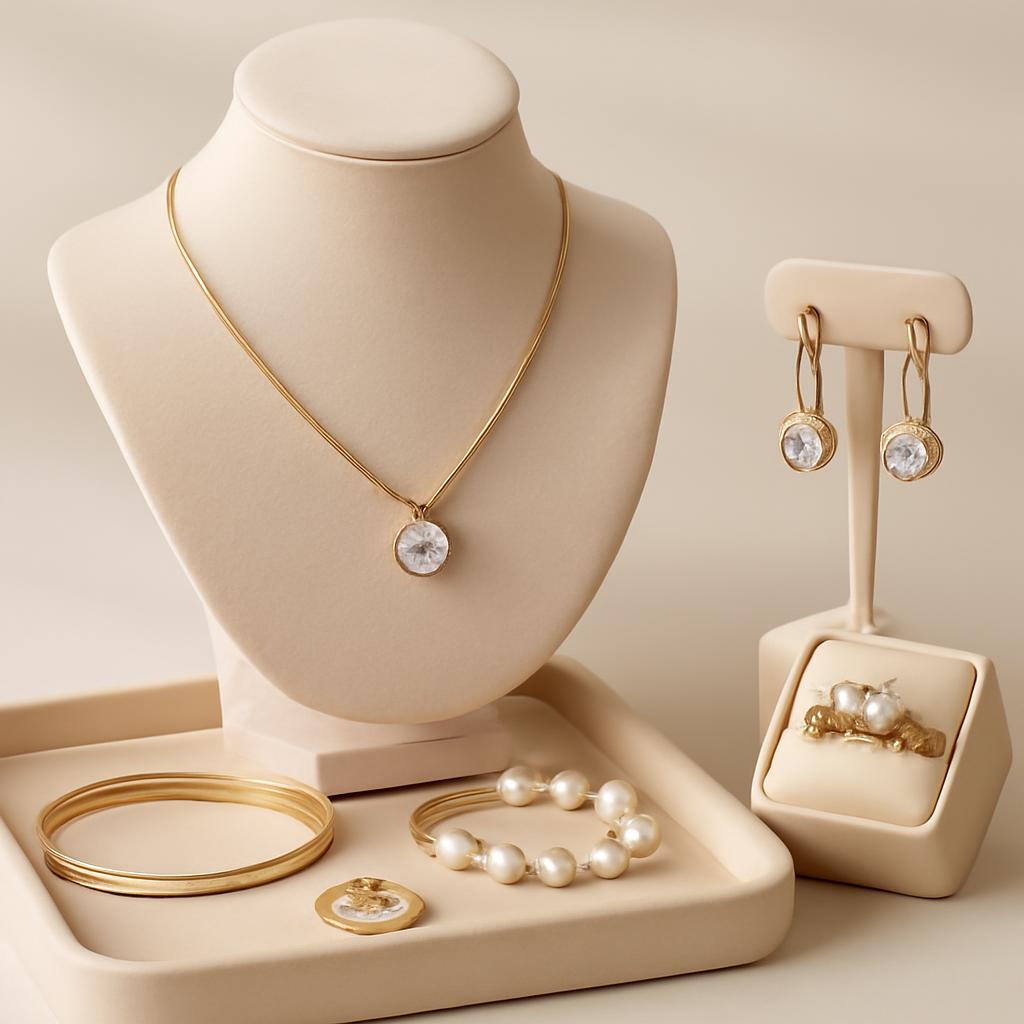
For businesses ready to scale, partnering with experienced manufacturers like Justop can provide quality craftsmanship, ethical sourcing, and competitive pricing. Backed by GIA-certified gemologists, Justop offers over 1,000 proven jewelry designs to meet diverse retail needs.