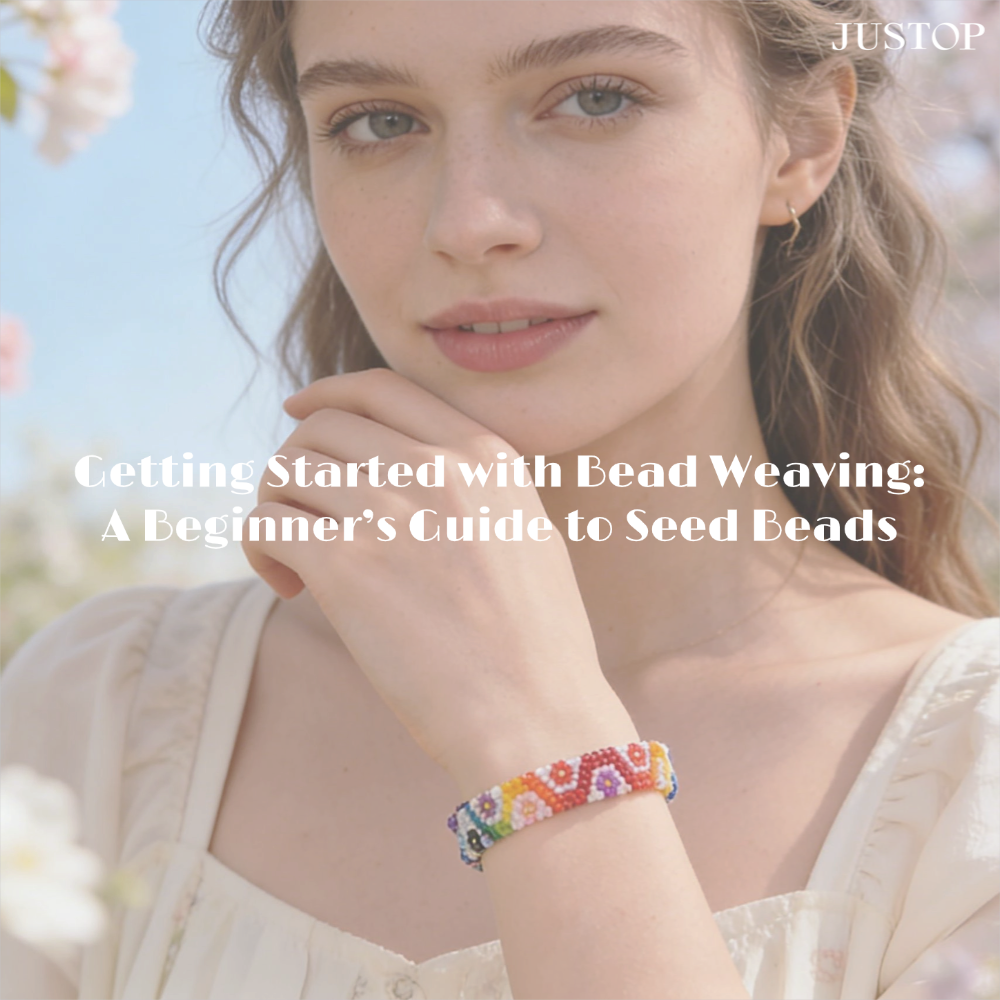
Bead weaving is an art form that can seem challenging at first, but it is absolutely doable for beginners. Unlike simply stringing a bracelet, bead weaving feels more like “weaving fabric” or creating a miniature 3D sculpture with your needle and thread. With some patience and practice, mastering basic bead weaving techniques can lead to stunning results.
Is Bead Weaving Hard for Beginners?
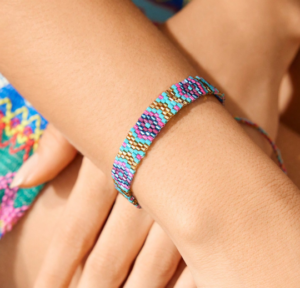
For those new to the craft, there is a learning curve, but the entry barrier is not high.
Initial Challenges: You need to get comfortable handling a needle, controlling thread tension, and reading seed bead patterns. Hands may feel uncoordinated at first, and threads can tangle—but this is normal.
Learning Time: Following beading tutorials for basic techniques such as the peyote stitch or brick stitch, most beginners can complete a simple beaded bracelet or small charm in just an hour or two.
Mindset: Patience is key. Don’t aim for perfection on your first try—enjoy the focus and sense of achievement that comes with handmade jewelry.
In short: anyone can start weaving beads, but be ready for slow, careful work.
Choosing Beads and Thread
The materials you choose are crucial for your success.
Beads: For beginners, the most important factors are brand and size.
- Miyuki beads and Toho beads are highly recommended for their uniform size, smooth finish, and ease of weaving.
- Preciosa beads are also good, offering a wide color range and decent quality, though size variations may require attention.
- Avoid cheap low-quality beads that can make your patterns uneven.
Thread: Use specialized beading thread, not ordinary sewing thread. Look for durability, flexibility, and resistance to fraying. Popular options include FireLine thread for structured 3D beadwork or nylon threads (Nymo, S-Lon) for softer, flowing projects like tassels or flat bead weaving.
Patterns and 3D Designs
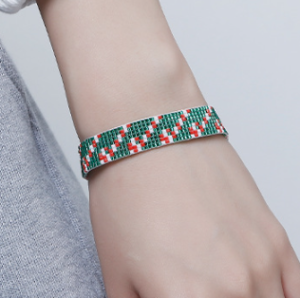
Bead weaving opens up endless creative possibilities.
Flat Patterns (2D): Perfect for geometric designs like stripes, polka dots, or checkerboards, as well as pictorial motifs like flowers, letters, or beaded pendants. Software like Jbead can help design patterns as if you were creating pixel art.
3D Beadwork: Advanced techniques allow beads to “stand up” into small sculptures, such as 3D beaded animals or abstract geometric forms. While more challenging, this form of seed bead jewelry is highly rewarding once you master the basics.
Essential Tools
- Beading needles (#10 or #12) for threading tiny beads.
- Sharp scissors or wire cutters.
- Findings like lobster clasps, jump rings, and bead stoppers.
- Optional tools: bead mats, bead looms, or divided bead storage for organization.
Beginner Tips
- Start with a beading kit for beginners to get all necessary materials and step-by-step guidance.
- Cut a longer thread (~1 meter) to avoid running short mid-project.
- Be patient—the first piece may be imperfect, but each project improves your skills.
With the right materials, guidance, and mindset, beading for beginners becomes a fun and creative journey into handmade jewelry and diy beaded charms.